
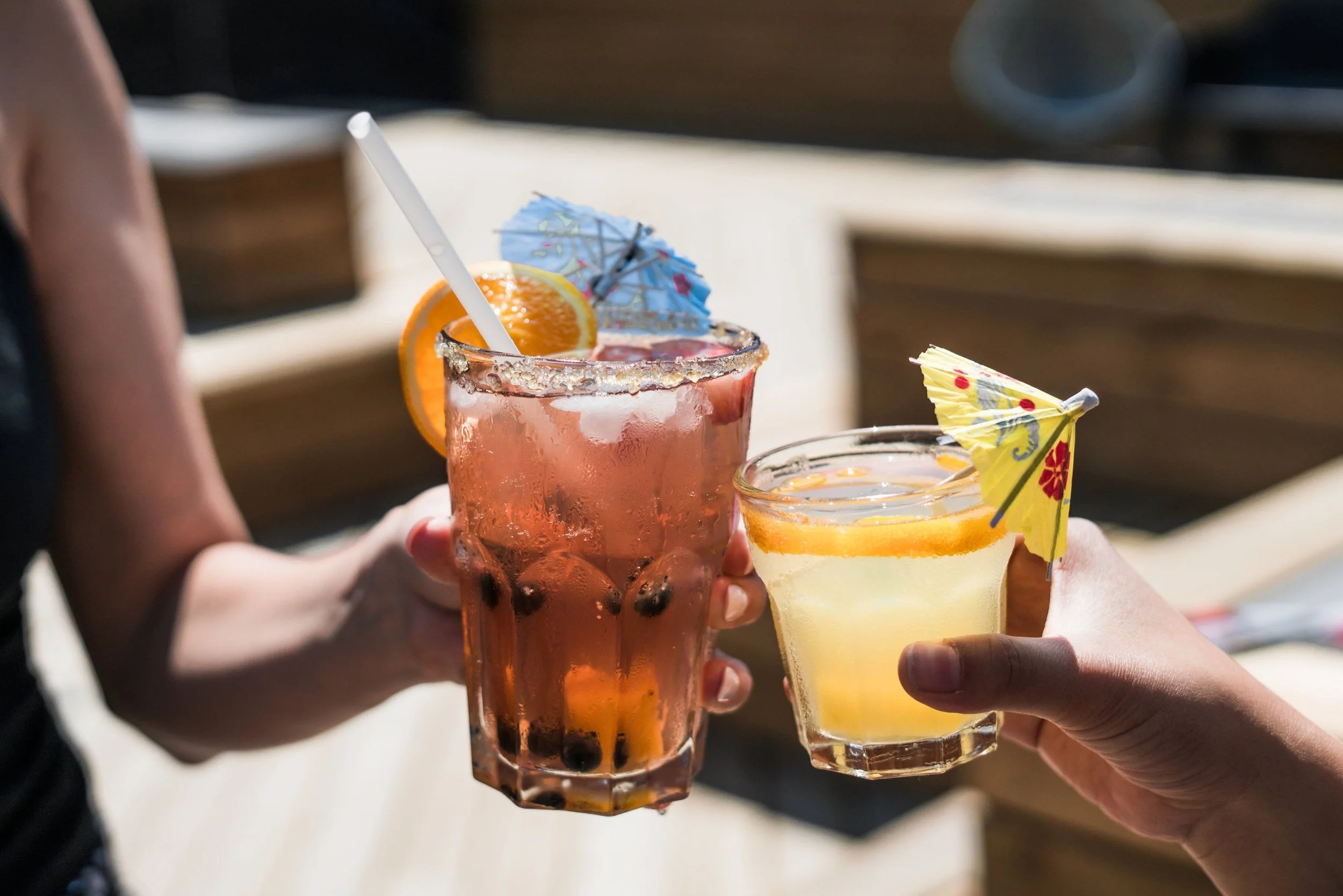
Great food doesn't save bad restaurants anymore.
The kitchen was never the whole business. It was always the product inside a system of service, perception, and experience that guests evaluate together. The operators who built their entire identity around the food are finding out what happens when the rest of the system does not hold up.
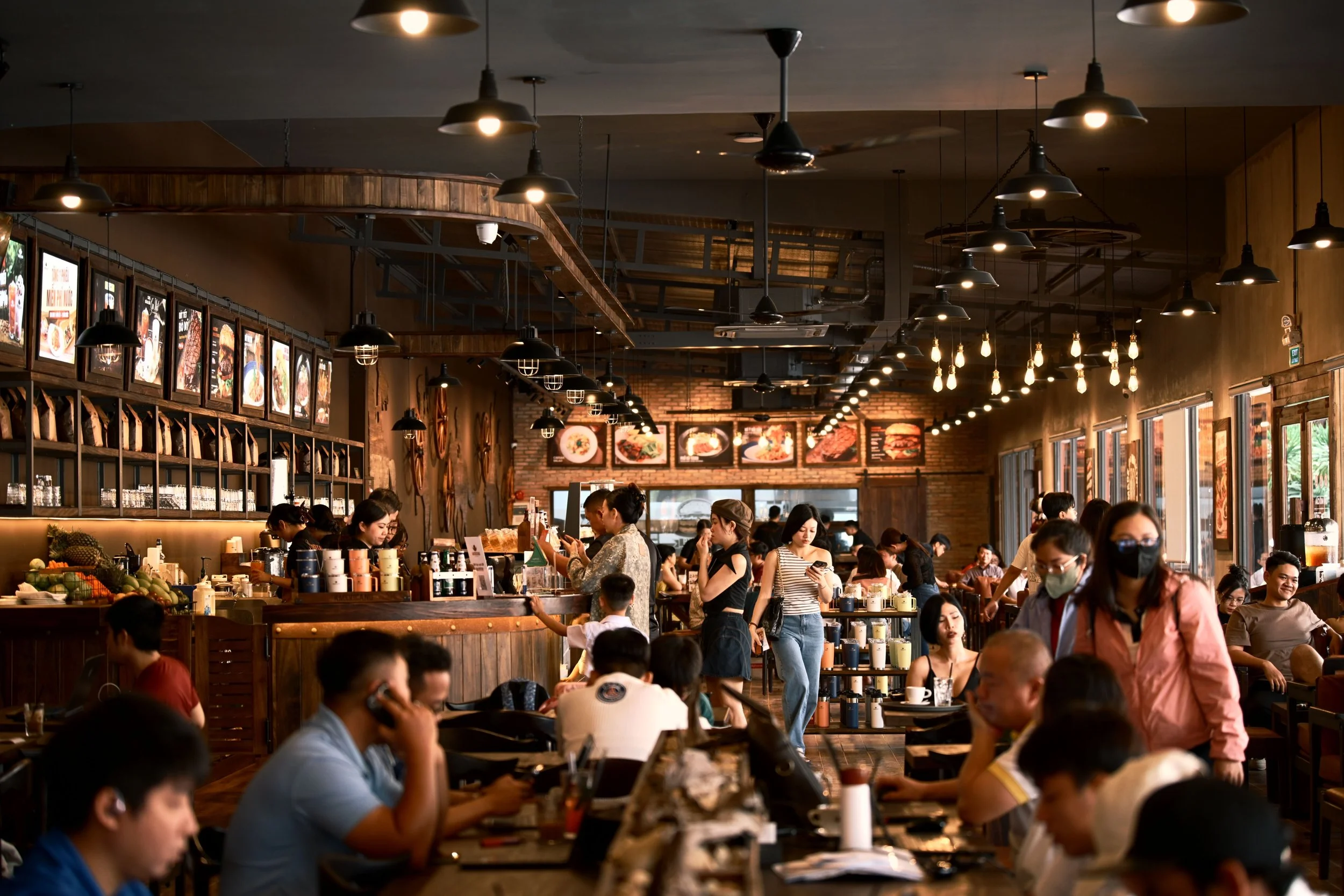
Consistency over creativity: Why spikes in performance don't build businesses — systems do.
Creativity gets guests in the door once. Consistency is what gets them back. The hospitality businesses that compound over time are not the ones that had the best idea. They are the ones that executed the same idea well, every shift, every service, every quarter.
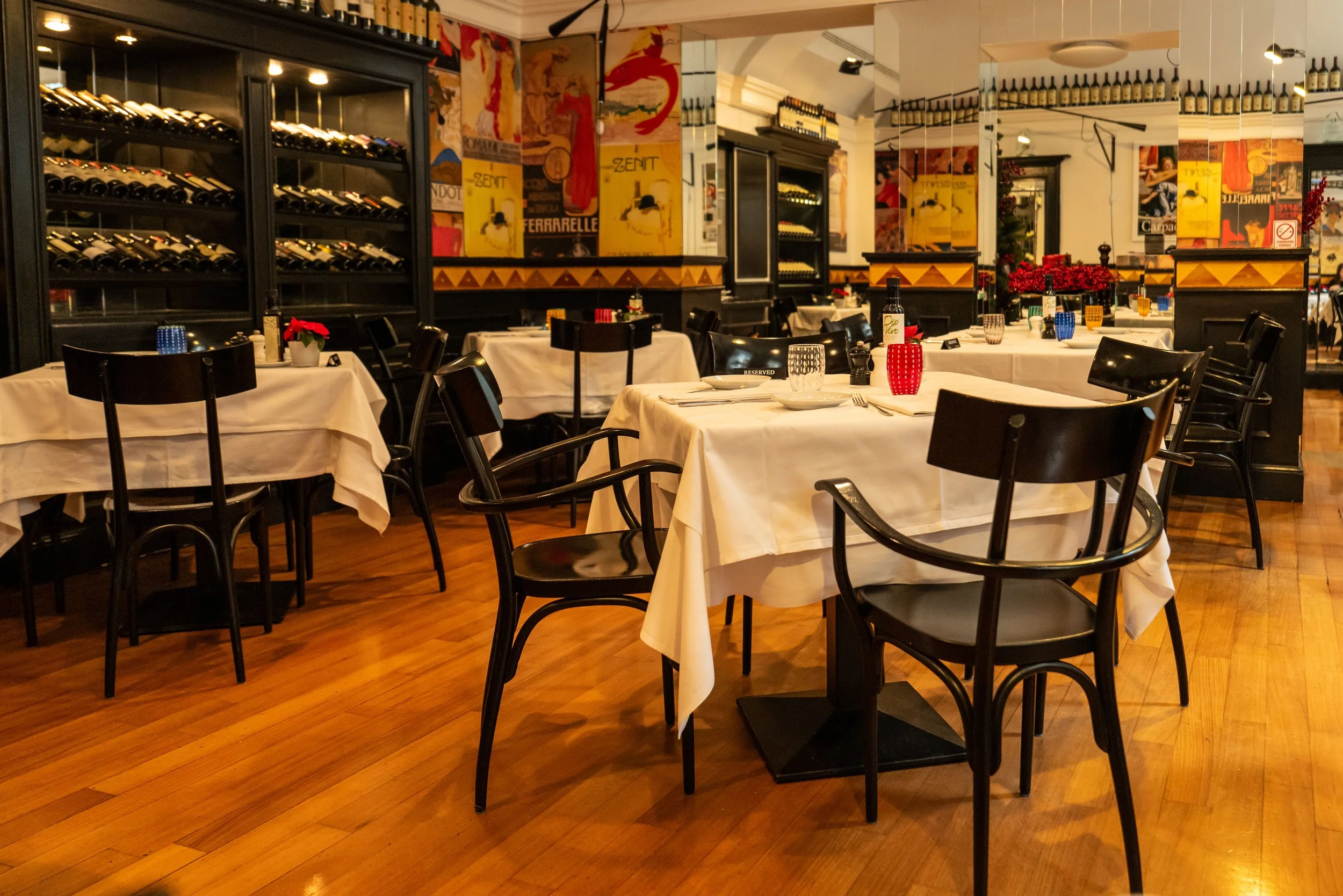
Your location isn't the problem. Your strategy is.
A bad location is a real constraint. It is not a complete explanation. The restaurants that have built destinations in overlooked zip codes, side streets, and secondary markets all share one thing: they stopped waiting for foot traffic and started building it.
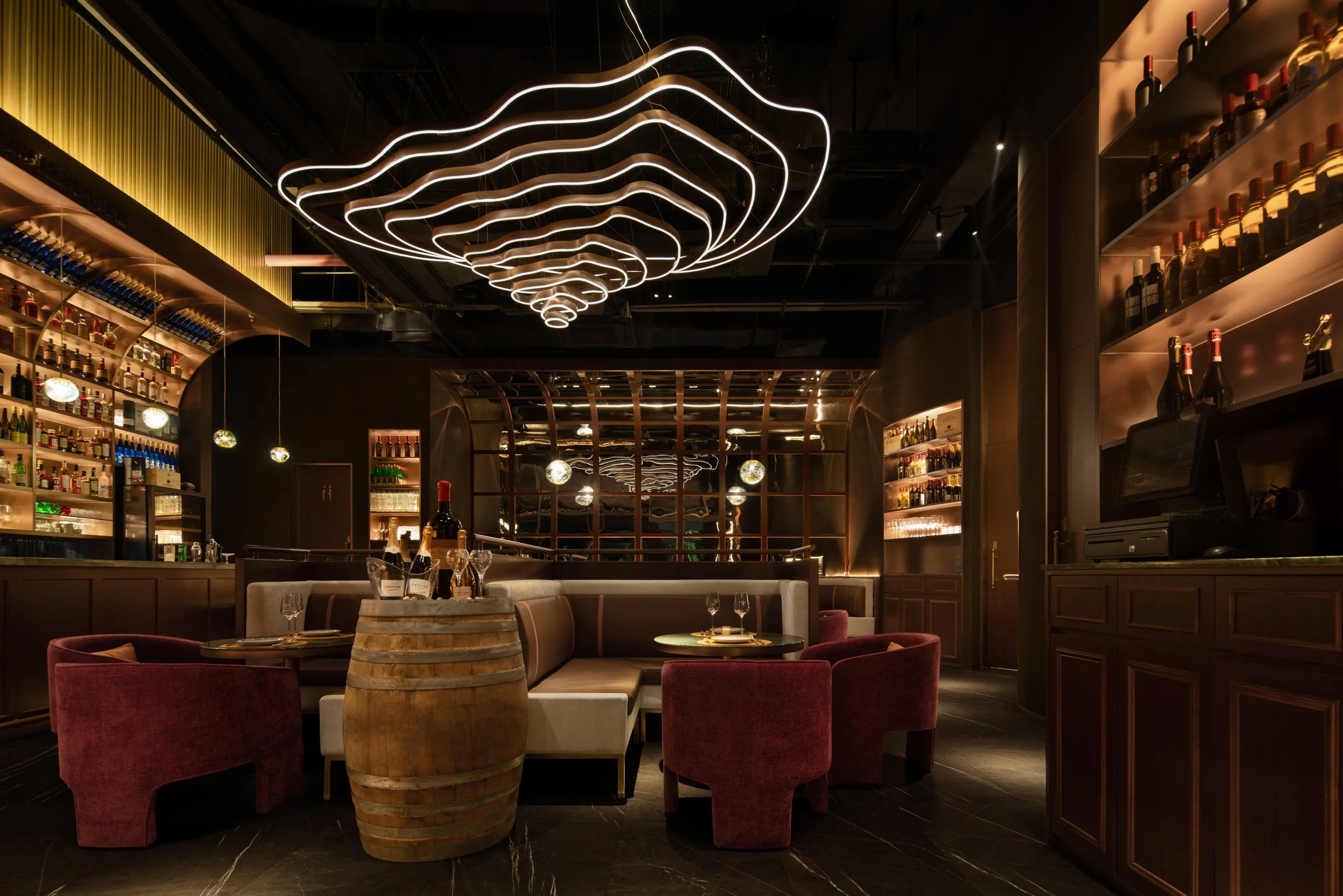
You're not premium. You're just expensive.
Premium is a perception built over time through consistency, craft, and the feeling that what a guest received was worth more than what they paid. Expensive is a number. Operators who confuse one for the other are charging the former while delivering the latter.
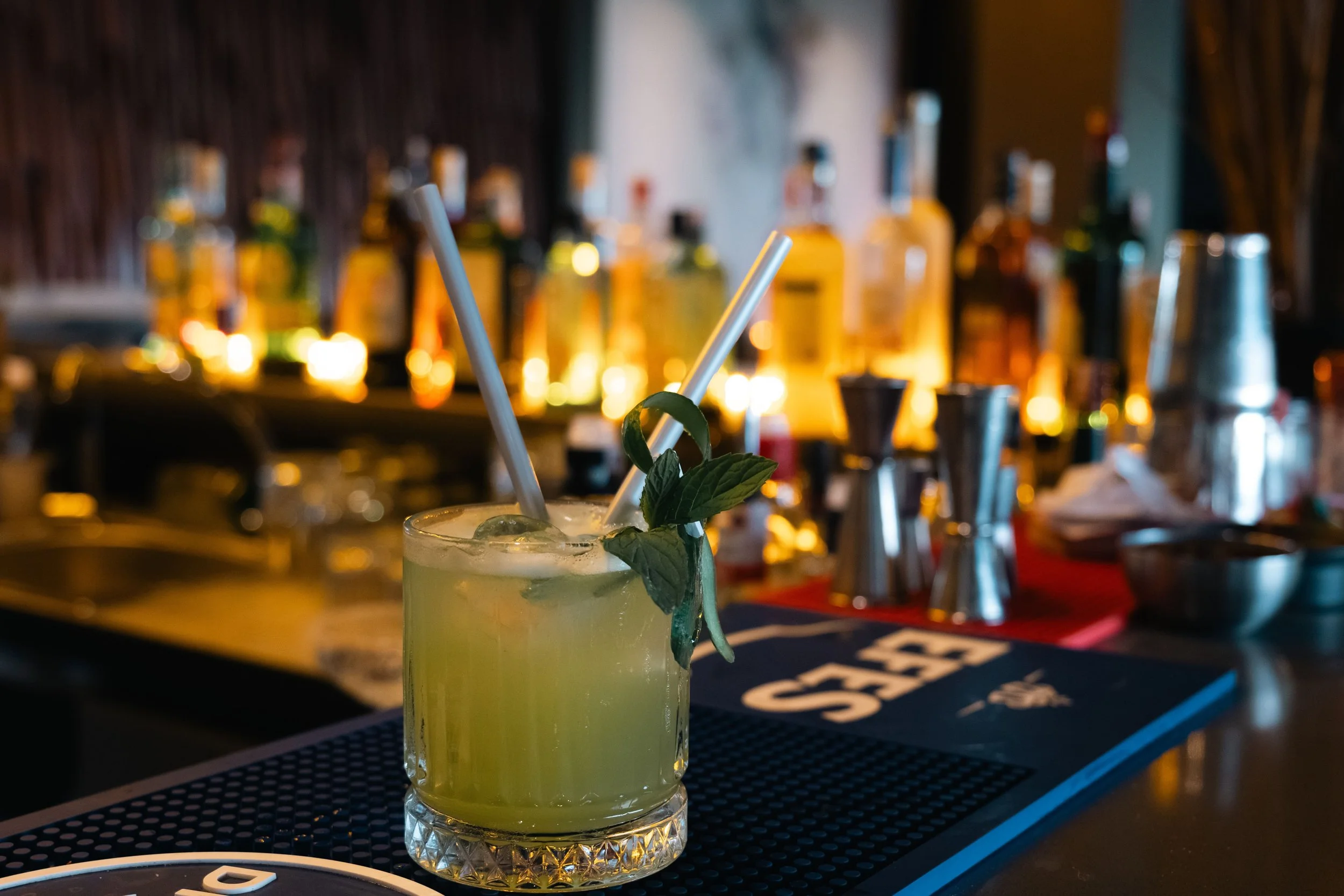
The Bar That Never Changes Is Training Its Best Guests to Leave.
Habit is the weakest form of loyalty in hospitality. When every visit feels identical to the last, there is no pull to return. The bars building repeat visits are not relying on routine. They are giving guests a reason to come back and see what is different.
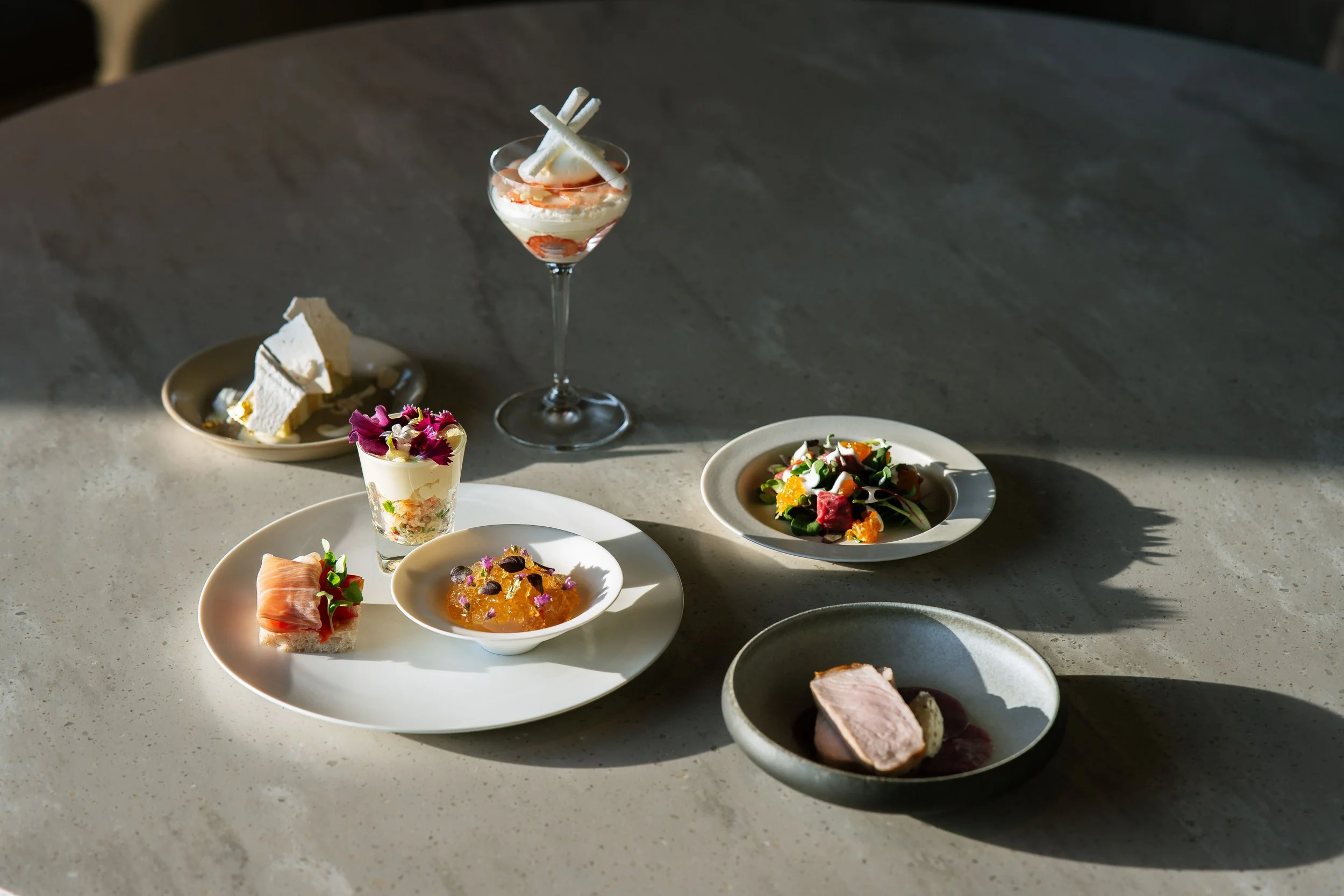
Are tasting menus becoming outdated?
The tasting menu is not dying. The version that asks guests to surrender three hours and full control to a fixed sequence they had no hand in shaping is the one losing the room. What guests want now is the depth without the rigidity.
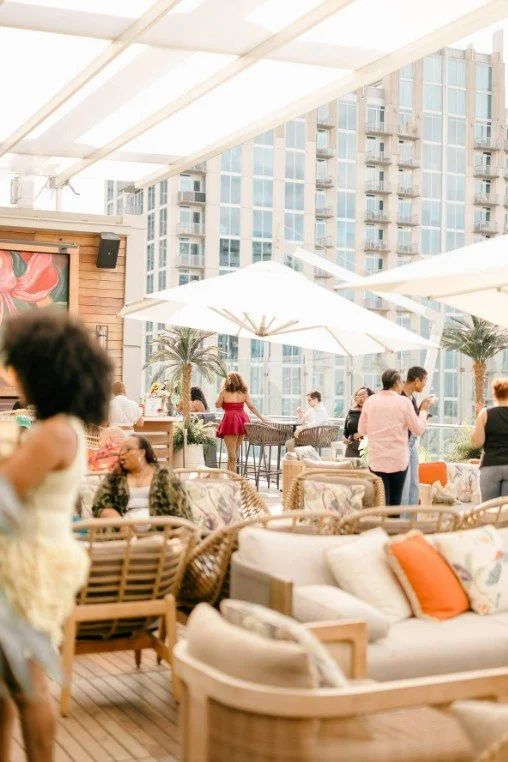
Why We Keep Coming Back to Merchant + Trade — And Why You Should Too.
Not every venue earns a third consecutive year. Merchant + Trade did not just hold two Battle of the Babes competitions. It elevated both of them. On September 27, 2026, it does it again.

The 6th Annual Battle of the Babes is almost here. Last year set the bar.
Eight new competitors. The same rooftop. And a standard set last year that is going to be very hard to top. Here is what happened in 2025 and what is coming September 27, 2026.
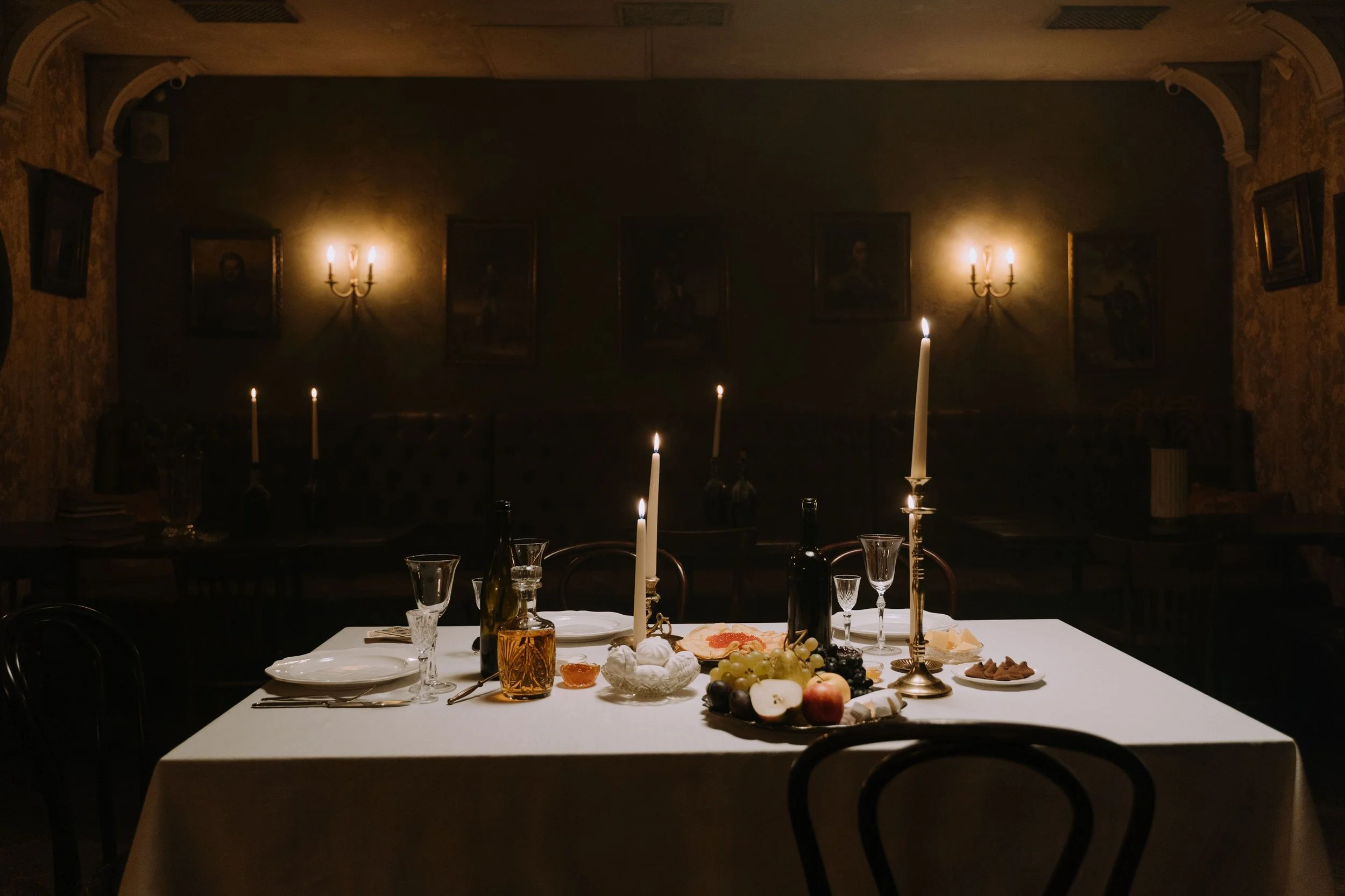
If Guests Are Still Willing to Spend $200 a Head, Why Is Fine Dining Underperforming?
The white tablecloth is not the problem. Charging for ceremony without delivering meaning is. The guests willing to spend $200 a head have not disappeared. They have just stopped accepting ritual as a substitute for experience.
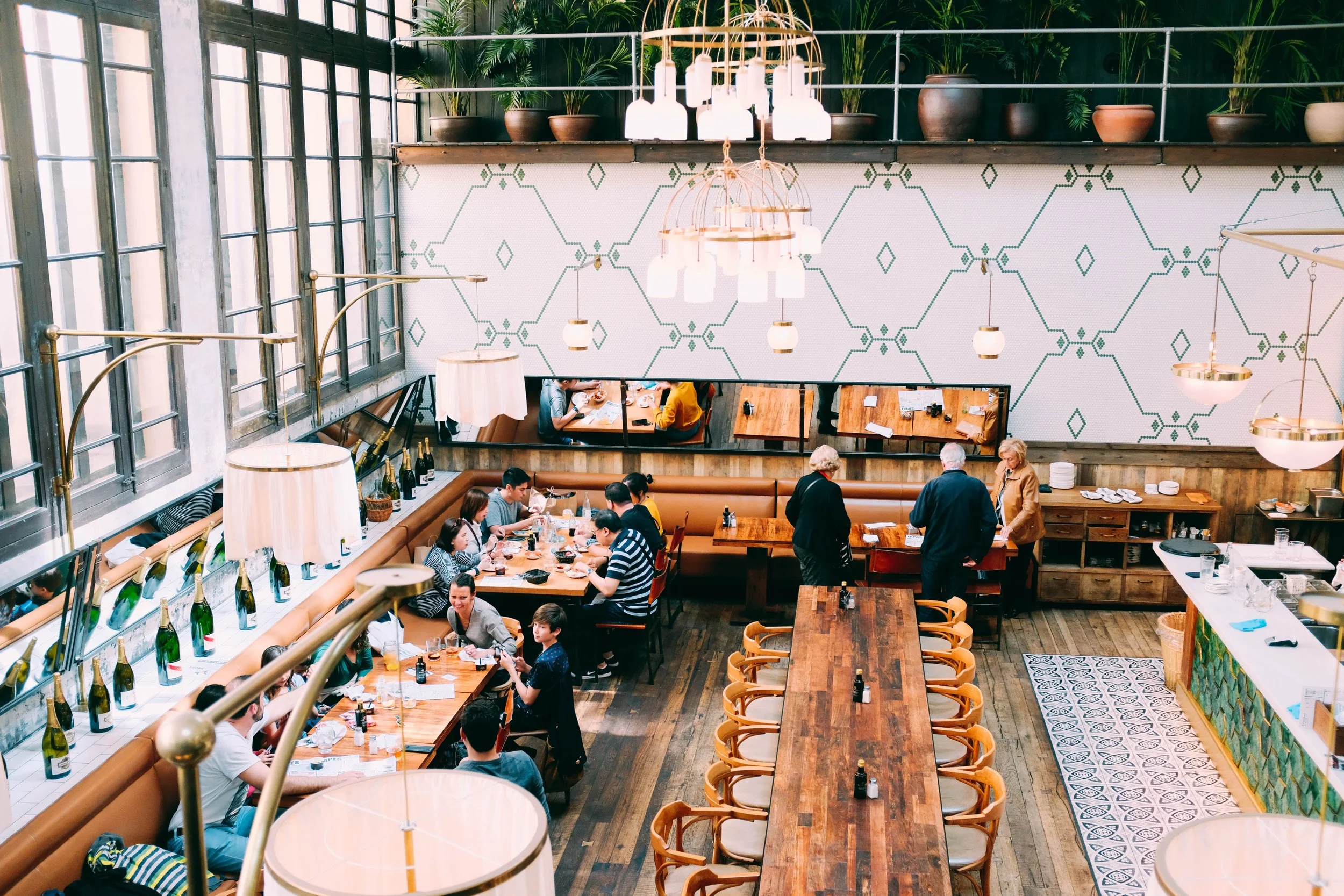
Scale Is Not a Strategy. It Is a Test of Whether You Had One.
Growth is not the same as building something better. The operators who scale without infrastructure are not expanding their business. They are expanding their exposure to every problem the first location was too small to surface.
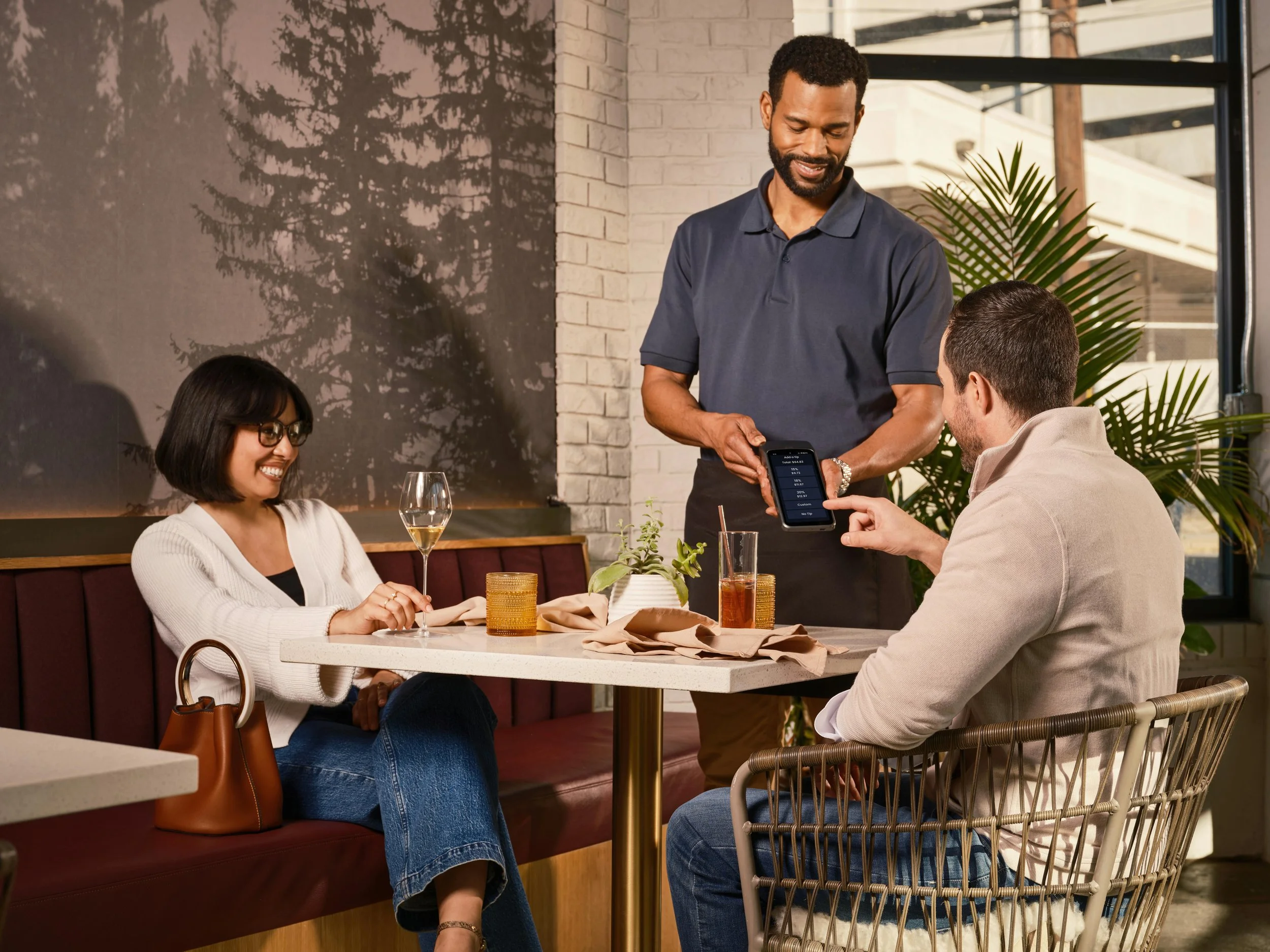
The Tip Is Not the Problem. The System Built Around It Is.
The tipping model was built on an assumption that has not aged well: that guest generosity is a reliable substitute for employer compensation. The data in 2025 suggests that assumption is failing guests, workers, and operators simultaneously.
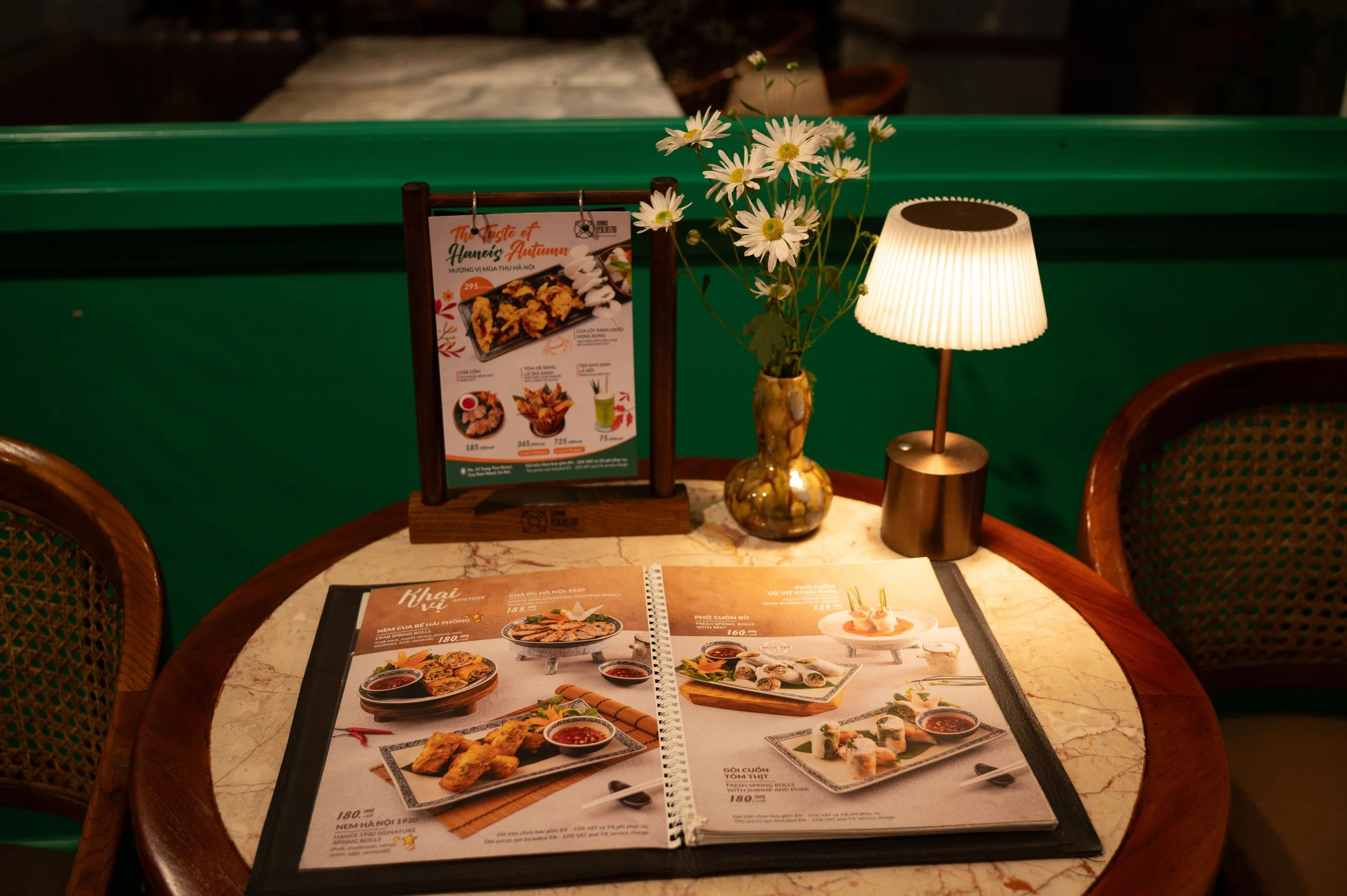
Menus as marketing tools, not just price lists
Your menu is not a catalog. It is the most direct behavioral tool in your operation. The operators who understand that are engineering check averages, perceived value, and repeat visits before the first dish leaves the kitchen.
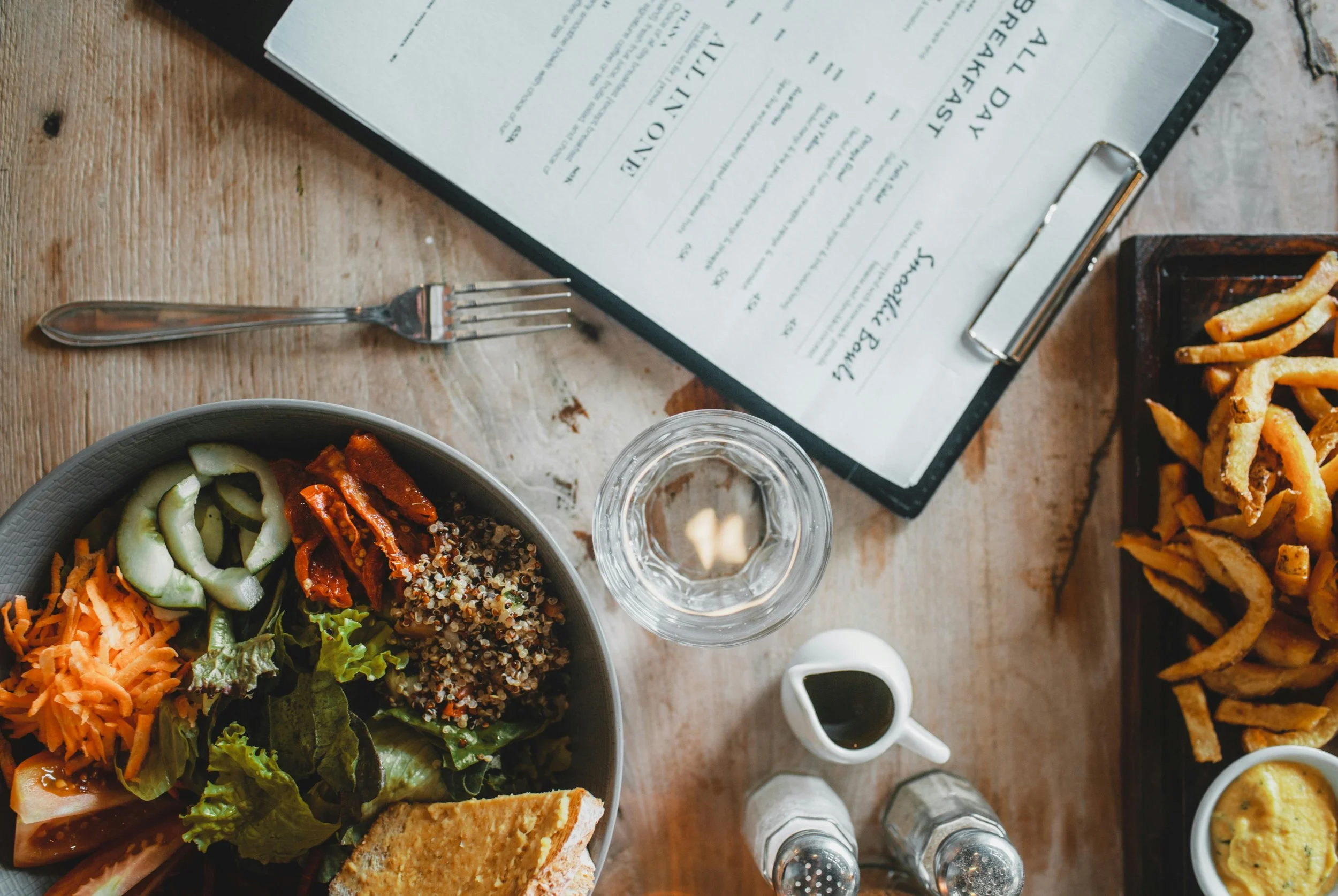
Cultural appropriation on menus: where's the line between respect and exploitation?
Borrowing from another culture's food tradition is not inherently wrong. Profiting from it without acknowledgment, context, or investment in the people behind it is where the line gets drawn.
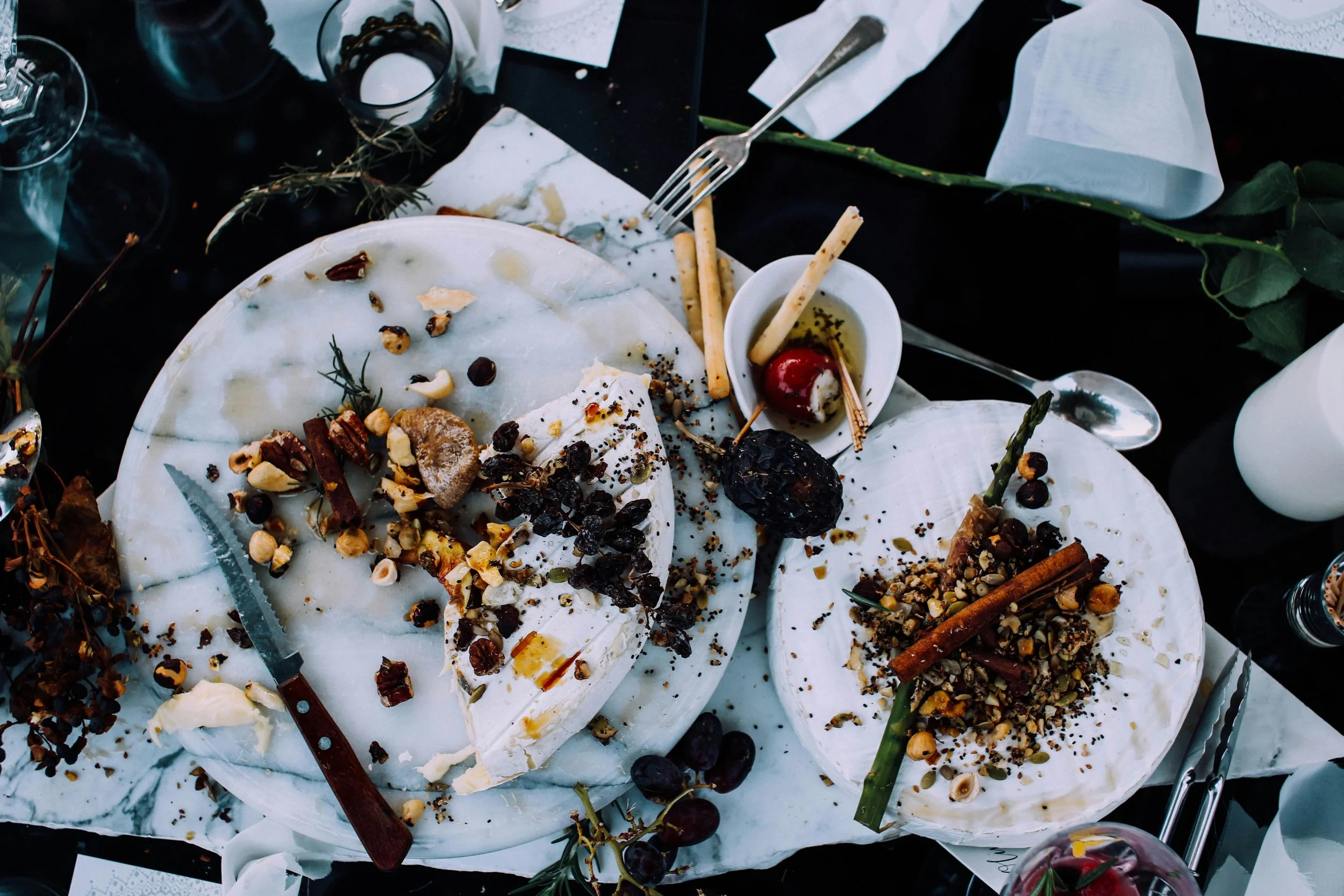
Waste not, want not: how restaurants are turning food waste into competitive advantage
Food waste is the most expensive operational problem most restaurants are not actively managing. The ones who start treating it as a system rather than an inevitability are discovering it is also one of the fastest paths to margin recovery and guest loyalty.
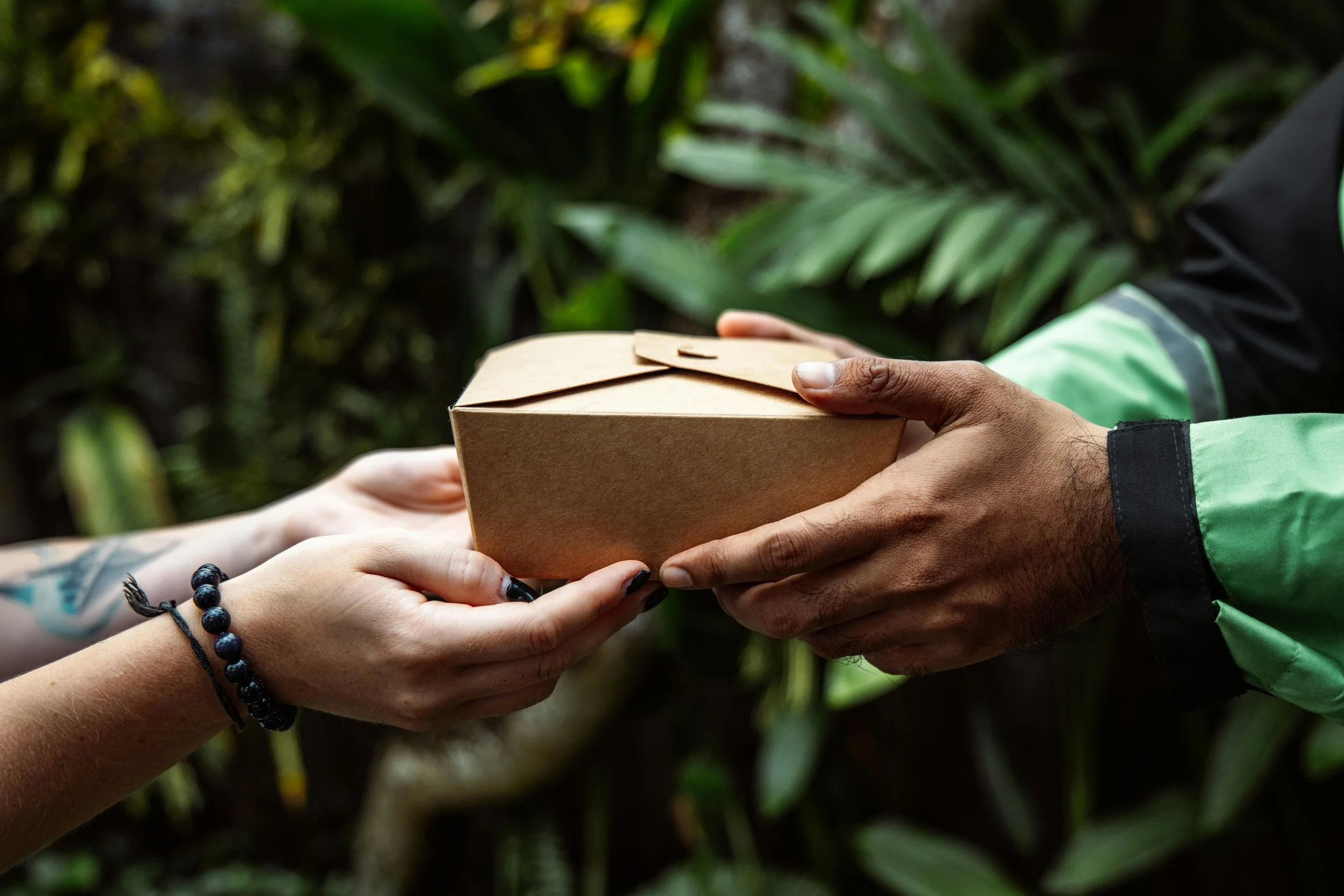
Sustainability Certifications: Status Symbol or True Measure?
A certification tells guests you passed a checklist. What they are actually looking for is evidence that the commitment runs deeper than a badge on your website.
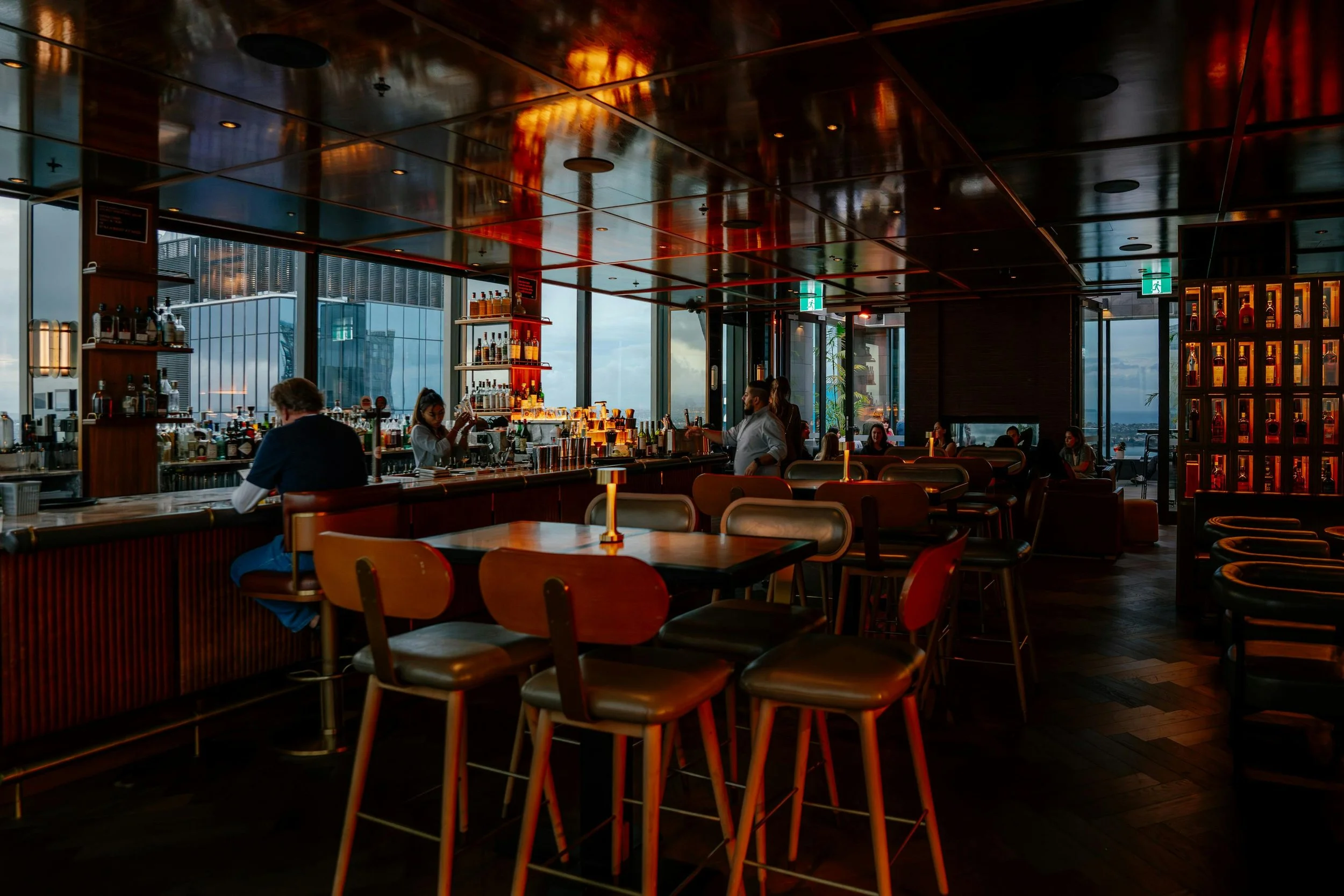
Discounts don't build loyalty. They train cheap behavior.
Every time you run a promo to fill seats, you are teaching your guests that your full price is negotiable. The real cost of that lesson shows up months later, when the deal stops and so do they.

Labor Shortage or Operational Failure? Most Operators Are Solving the Wrong Problem.
The industry has a staffing problem. But the operators bleeding out aren't all victims of the market. Some of them built the conditions that made people leave.
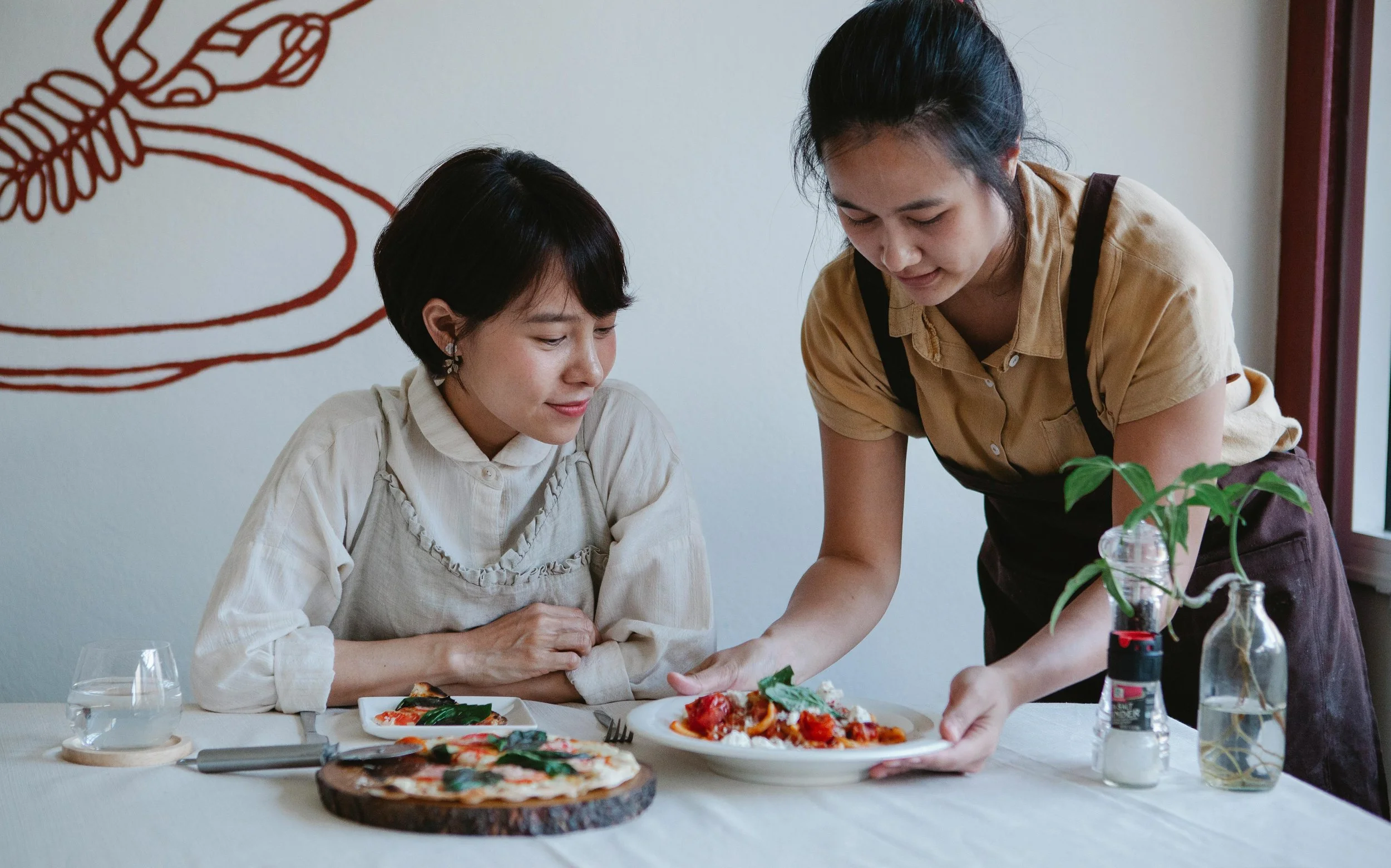
“Support Local”: Virtuous Act or Strategic Advantage?
“Support local” isn’t just a feel-good message. It has real benefits, real challenges, and real consequences when misused.
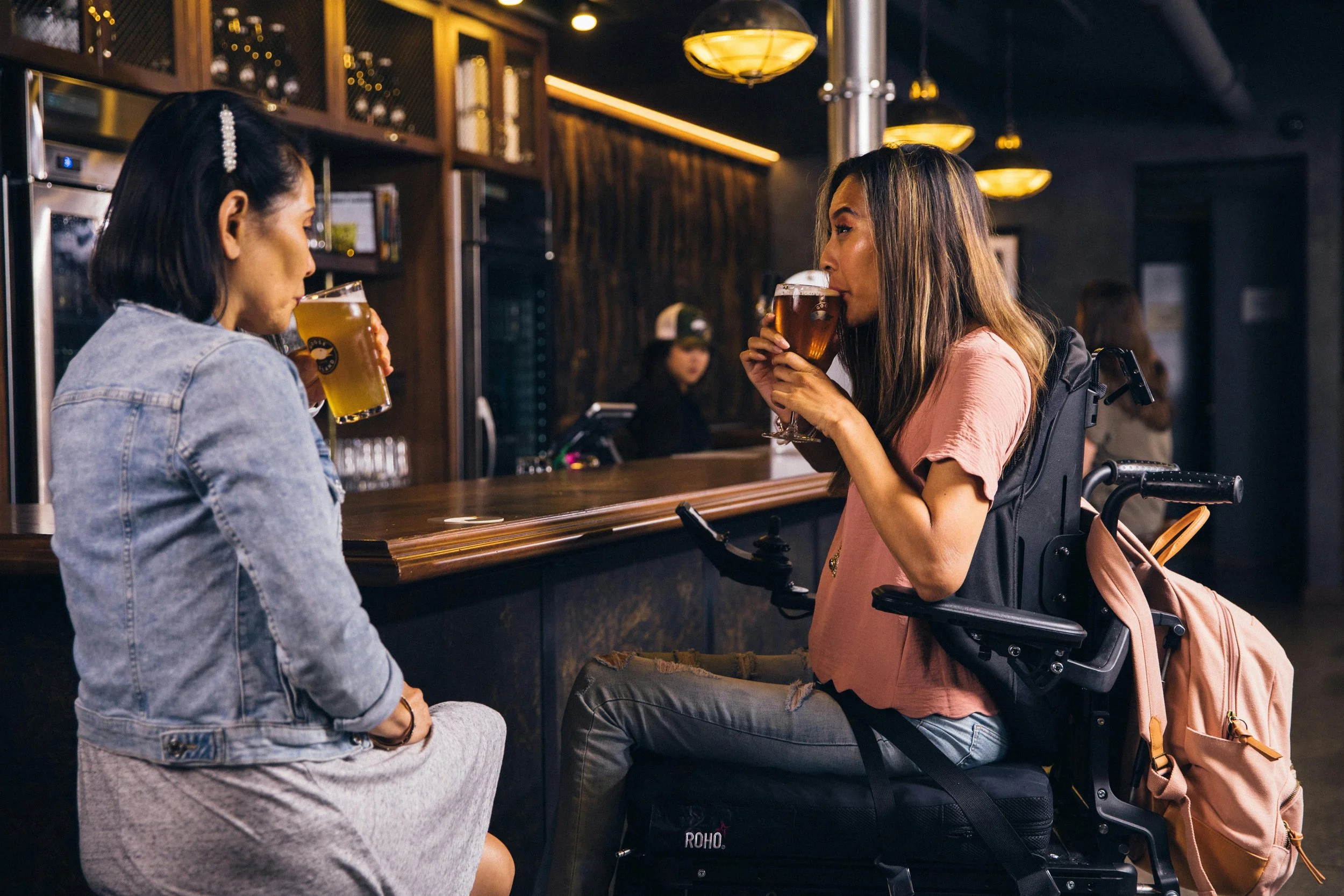
When Inclusivity Becomes a Buzzword: Are Hospitality Brands Just Checking Boxes?
Inclusivity isn’t just a value. It shapes experience, trust, and long-term growth in hospitality.
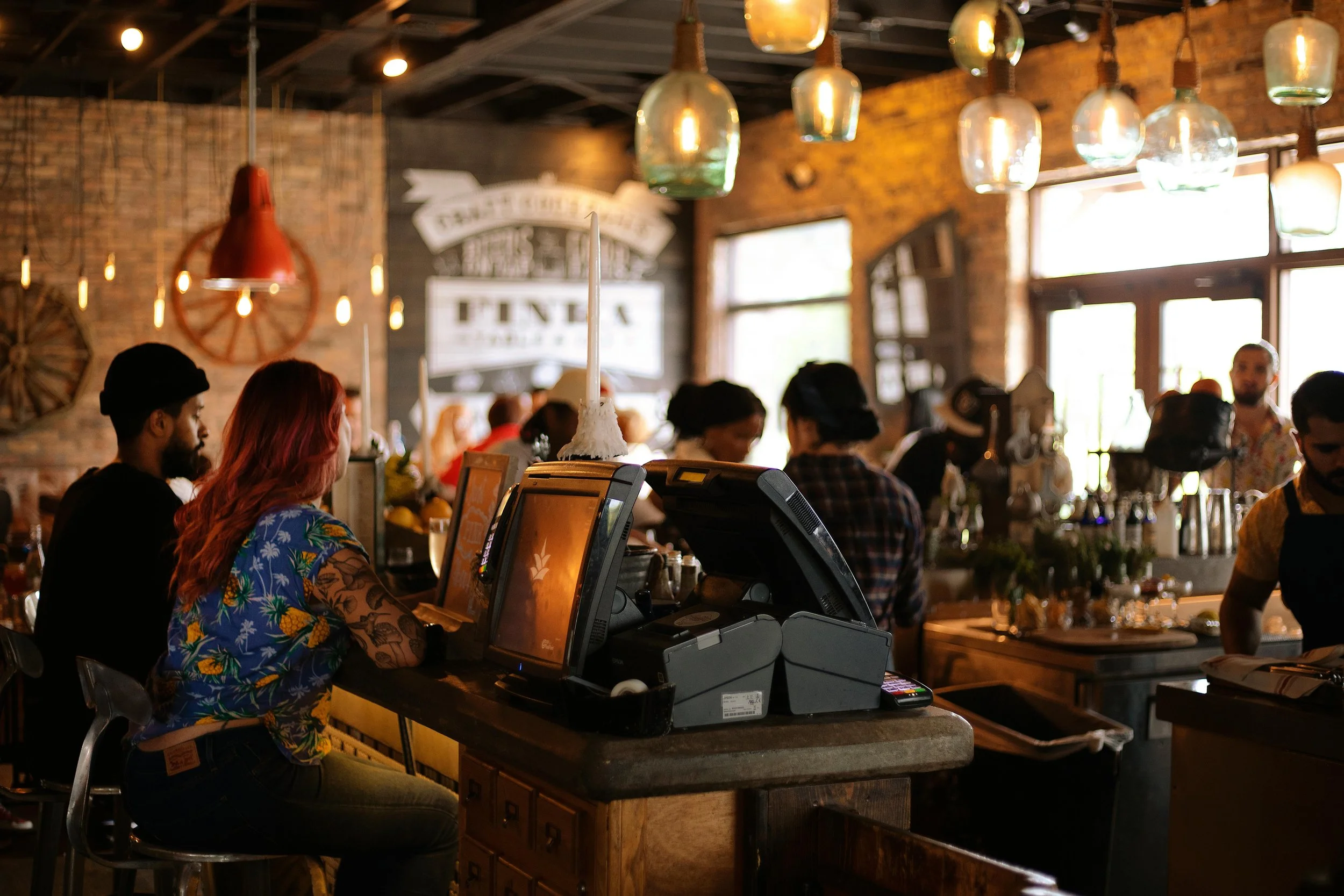
Not Every Customer Is Worth Keeping: The cost of Saying Yes to Everyone
More customers doesn’t always mean better business. The wrong ones can cost you more than they bring in.