If Guests Are Still Willing to Spend $200 a Head, Why Is Fine Dining Underperforming?
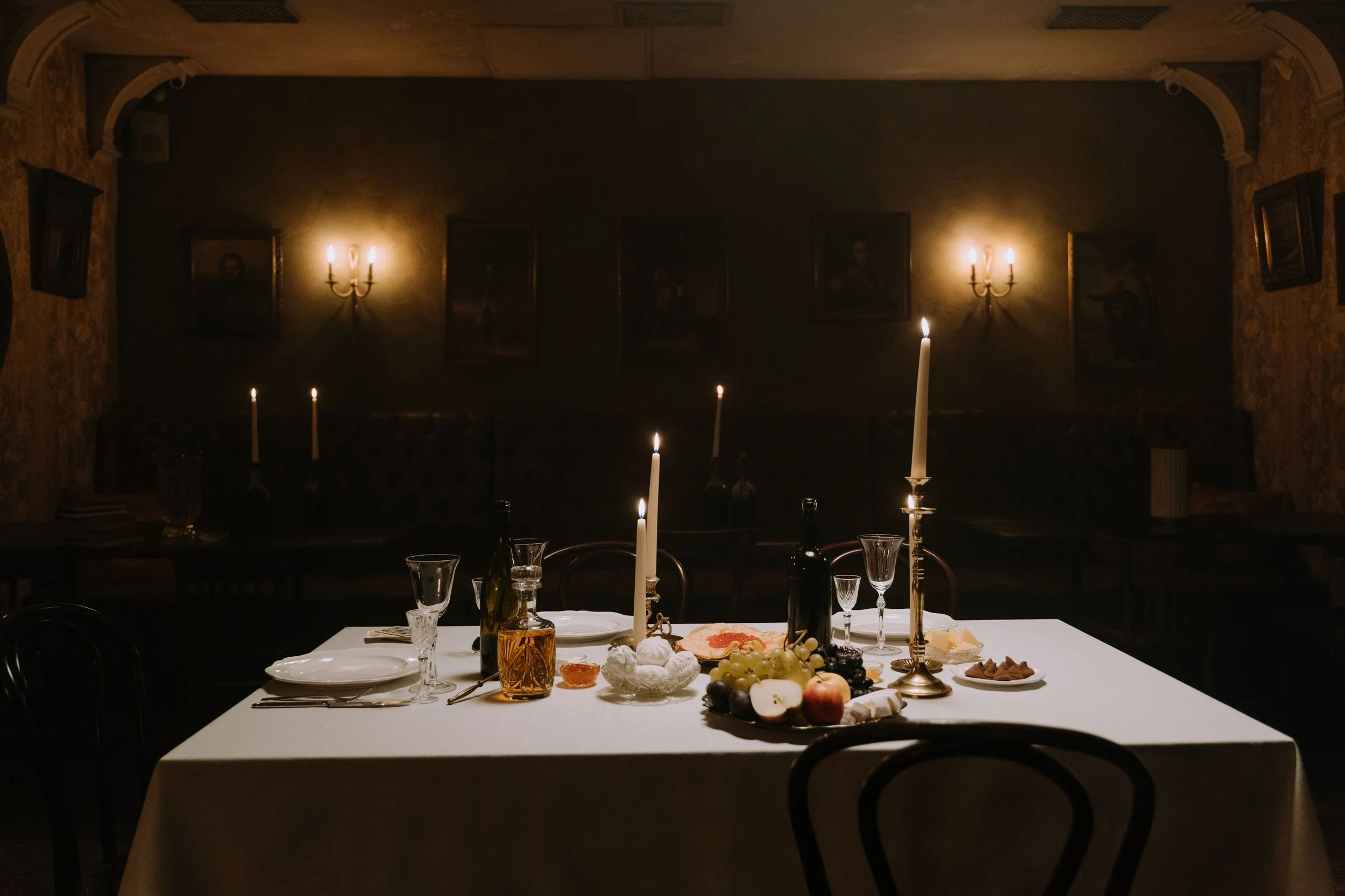
The category is not collapsing. It is being held to a standard it has not always met, by a guest who is more informed, more selective, and less impressed by formality than any previous generation of high-spend diners.
Fine dining is the worst-performing restaurant segment on same-store sales growth for five consecutive months through September 2025, according to Black Box Intelligence. Fine dining and family dining are the two weakest performers on traffic across the entire industry, with upscale casual also declining after years of relative resilience. Even higher-income guests, historically the segment's most reliable base, are trading down on some occasions. The category is under real pressure. What that pressure reveals is worth examining carefully before concluding that the format itself is the problem.
The market data does not support a narrative of fine dining collapse. The global fine dining market reached $166.9 billion in 2024 and is projected to grow to $243.2 billion by 2030 at a 6.5% CAGR. In the U.S., the segment has grown at a 2.4% CAGR between 2019 and 2024. Fine dining still carries the highest profit margins in the restaurant industry, averaging 10 to 15% compared to 3 to 9% for casual dining. The segment is not losing guests to indifference. It is losing them to a value expectation it is not consistently meeting. Black Box Intelligence data shows that average star ratings for online reviews are declining, specifically in fine dining and upscale casual, the two segments where higher prices have raised the expectation bar the highest. Guests are paying more and feeling less. That gap is the real story.
What the most informed guests in the room are signaling is not that they want to spend less. They want to spend on something that justifies the price in terms they find personally meaningful. 72% of fine dining enthusiasts say they value the story behind the ingredients as much as the taste. 68% of consumers say they prefer restaurants that offer unique experiences, even if the food is not necessarily better than a competitor's. Formality, silver service, rigid dress codes, and prescribed ceremony are not what those guests are paying for. Connection, story, intention, and a sense that the experience was designed specifically for them, that is what they are willing to spend on. The operators still leading with ritual over meaning are losing to the ones who understood that shift first.
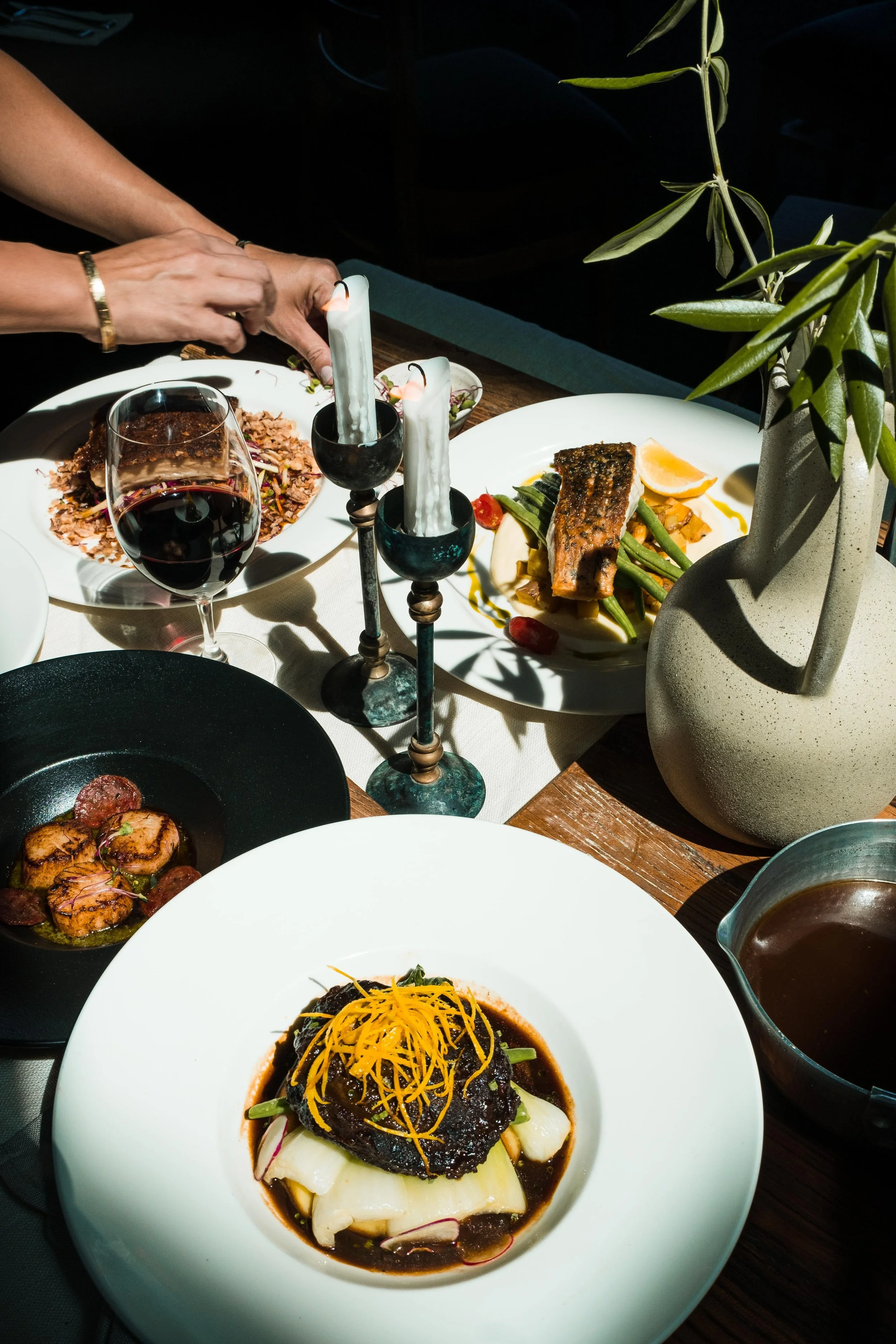
What this means for operators
The format is not failing. The version of it that mistakes ceremony for hospitality is.
The fine dining operators outperforming the segment right now share a defining characteristic: they have separated the things that make the category excellent, culinary precision, deep service knowledge, exceptional sourcing, unhurried pacing, from the things that historically came with it as a package deal, rigid formality, prescribed interaction, and an atmosphere designed to signal exclusivity through distance rather than depth. Stripping the latter does not diminish the former. It redirects guest attention toward what was always worth paying for.
The James Beard Foundation's 2025 report found that more than 85% of restaurants tested at least one non-traditional business model in 2024. Among those, the concepts reporting improved performance were almost universally the ones that prioritized experiential elements and direct guest connection over format preservation. The operators who have maintained or grown revenue in the fine dining segment through 2024 and 2025 are not the ones defending white tablecloths. They are the ones who rebuilt the experience around what guests actually come for: the story behind the food, the knowledge of the team, the sense that something was made specifically for them.
Pricing is the lever most operators are pulling when the real variable is perceived value. 91% of independent restaurants raised menu prices in 2024, but those who raised prices beyond 15% saw drops in both profit and foot traffic. Price increases without corresponding experience upgrades widen the value gap that is already driving guests toward more casual alternatives. The operators who raised prices and held traffic did so by simultaneously deepening what the guest received for the price, not just adjusting the number. That discipline requires clarity about what the experience is actually selling and whether every element of the operation is delivering on it.
What operators should do?
Audit the formality in your operation against what your specific guests actually value
Not all formality is a liability. Some guests choose fine dining specifically for the ceremony, and removing it for them is a degraded experience. The question worth asking is whether the formality in the operation is there because guests want it or because it has always been there. Those are different reasons with different implications for what should be preserved and what should be replaced with something guests find more meaningful.
A fine dining operation that tracks feedback specifically on service formality, through post-visit surveys, reservation notes, and review monitoring, will often find that what guests most frequently call out as memorable is not the tableside preparation or the sommelier ceremony but the moment a server said something unexpected and human, or the time the kitchen sent out an extra course because someone at the table mentioned a food memory in passing. The data points toward what is actually working. Most operators are not collecting it with that level of specificity.
Build the story behind the food into every guest-facing touchpoint, not just the menu
With 72% of fine dining guests valuing the story behind ingredients as much as the taste, the story is not supplementary content. It is a primary product. The sourcing narrative, the chef's philosophy, the producer relationships, and the technique decisions behind each dish need to live in the server's mouth as fluently as they live on the printed menu. A story that exists only in the description is a story that gets skipped by the guest who does not read the menu carefully and never reaches the one who eats quickly and asks no questions.
Building a pre-service briefing into every shift where the team discusses the two or three dishes with the most compelling sourcing or technique stories, and practices speaking to them conversationally rather than reciting them, produces a floor team that can deliver the product's narrative in a way guests remember and repeat. The guest who tells someone about the producer behind their entrée is doing marketing the restaurant cannot buy.
Personalize in ways that are visible before the guest sits down
Personalization in fine dining is most powerful when it feels anticipatory rather than reactive. Noting a reservation occasion in the booking system and acting on it before the guest arrives, adjusting the menu, preparing a specific wine, acknowledging the event on arrival, communicates that the experience was prepared specifically for them rather than assembled from standard components. That distinction is what turns a high-quality meal into an irreplaceable one.
Reaching out 48 hours before a reservation to confirm dietary preferences and occasion details, then briefing the full service team before the guest arrives, produces an experience that feels custom from the first moment. The guest who is greeted by name, escorted to a table set for their specific occasion, and handed a menu with one modification already made for their preference has experienced service that cannot be replicated by a competitor they have not told about themselves yet.
Design the experience to be shareable without making shareability the point
The experiential dining market is projected to reach $47.6 billion by 2033, growing at a 23.5% CAGR. That growth is not being driven by Instagram optimization. It is being driven by guests who want something worth talking about and find it at the operations that invest in moments of genuine surprise, technical theater, and emotional specificity. The difference between a moment designed to be photographed and a moment that gets photographed because it is genuinely remarkable is something guests detect immediately, and the former consistently reads as hollow in the reviews that follow.
A tableside preparation that is executed because it is the best way to serve a dish, not because it photographs well, produces a different guest experience from one that exists primarily as a social media asset. The first makes the guest feel like a participant in something intentional. The second makes them feel like a prop. Fine dining guests at that price point know the difference faster than operators sometimes assume.
Track perceived value explicitly, not just satisfaction scores
Guest satisfaction and perceived value are different measurements that require different questions. A guest can leave satisfied and still feel the bill was slightly more than the experience justified. That gap, which does not surface in a standard satisfaction survey, is what drives the trading-down behavior Black Box Intelligence is documenting at the segment level. Operators who ask specifically whether the experience felt worth the price, and then map the answers against the service elements that preceded them, will find the specific disconnects worth fixing.
Post-visit feedback that asks guests to rate the value of the experience separately from the quality of the food often reveals that food scores are high while value scores are lower. The gap is almost always attributable to service elements that did not match the price point, a wait between courses that felt too long, a team that could not speak to the wine list with confidence, or an ambiance that felt dated relative to what guests pay for elsewhere. Those are fixable problems. They only become visible when the right question is asked.
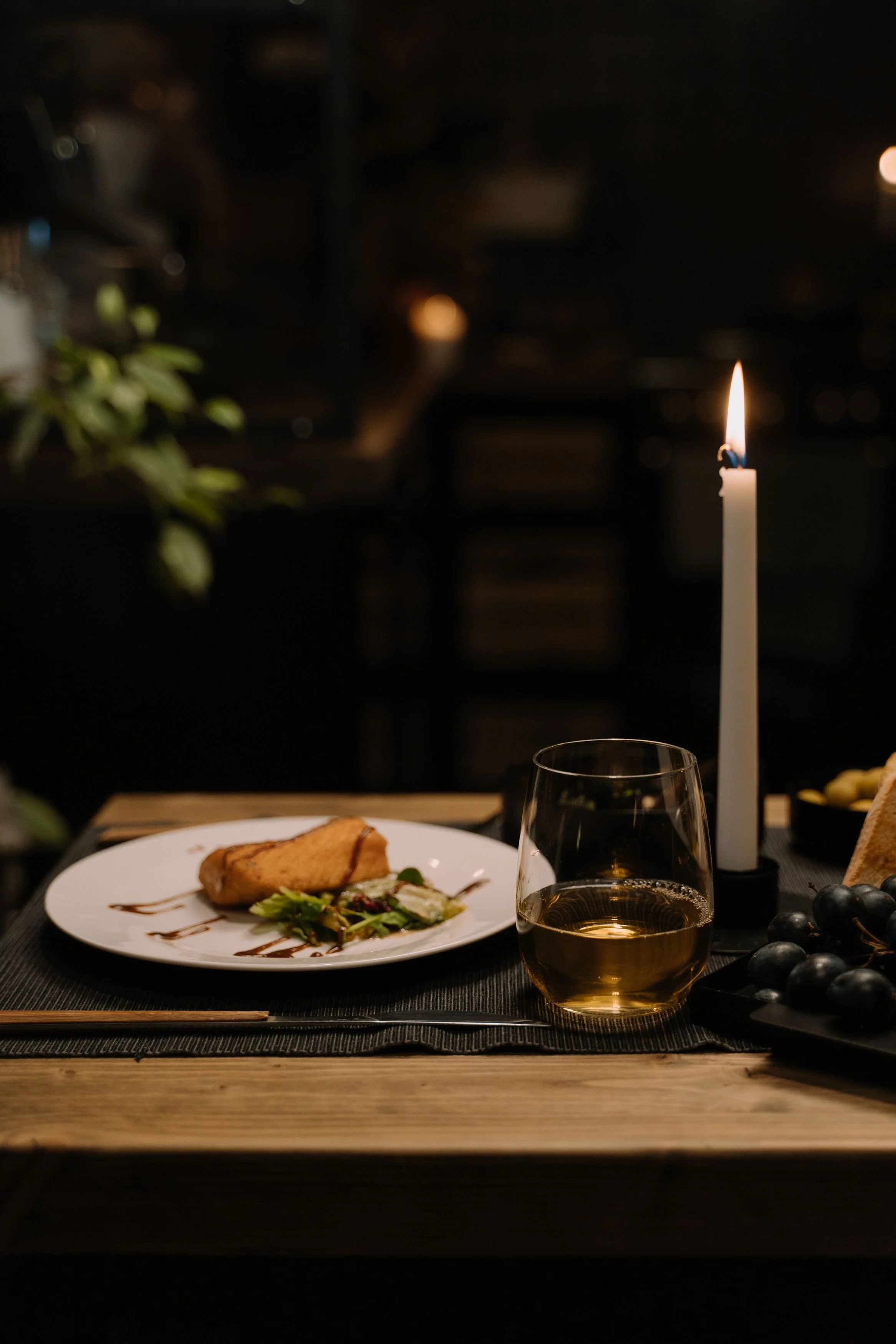
What this means for consumers
Fine dining is worth the price when the price is paying for something real. Learning to tell the difference matters.
The guests putting pressure on fine dining through their choices, dining down on some occasions, choosing experiential casual over formal restaurants for others, are not rejecting the category. They are rejecting the version of it that charges luxury prices for the performance of luxury rather than its substance. That distinction is worth holding onto because it is what separates a decision made with clarity from one made out of general price fatigue, and the two have different implications for which operators deserve the loyalty and which do not.
The shift in what high-spend diners are looking for is consistent across all the data. Story. Connection. Personalization. A sense that the experience was designed with intention rather than assembled from convention. 68% of consumers prefer restaurants that offer unique experiences even over competitors with better food. That preference, when it is acted on deliberately, directs spending toward the operators doing the most interesting and most intentional work in the category, which tends to be the work most worth funding.
The fine dining guest who understands what they are actually paying for is also the one most capable of recognizing when it is being delivered and when it is not. Online review sentiment is declining specifically in fine dining and upscale casual, which reflects a guest base that is more articulate about the value gap than operators are comfortable with. That articulacy, when it is channeled into specific, constructive feedback rather than general disappointment, is one of the most useful tools available for pushing the category toward the standard it claims to represent.
What consumers can do?
Define what you are paying for before you walk in, not after you pay the bill
Fine dining is worth the price when the specific elements of the experience, the sourcing depth, the team knowledge, the pacing, the personalization, are things the guest genuinely values. Going because the reputation is strong, the occasion is significant, or the social signal is appealing, without knowing which elements of the experience matter most personally, makes it difficult to evaluate whether the price was justified and nearly impossible to give useful feedback when it was not.
Deciding before a booking that what matters most is the wine program, then testing specifically whether the sommelier has genuine depth and not just confidence, produces a much clearer picture of whether the experience delivered on its premise than a general sense of whether the evening was enjoyable. The guest who knows what they came for can evaluate whether they received it. Everyone else is just assessing the total bill against a vague feeling.
Distinguish between formality and quality when the two feel like the same thing
White tablecloths, prescribed service sequences, and formal dress codes are signals of a quality standard, not the standard itself. Some of the most technically accomplished and genuinely luxurious dining experiences in 2025 are happening in rooms without tablecloths, at counters facing open kitchens, and in formats that would have been considered too casual for the category a decade ago. Equating formality with excellence limits the range of experiences worth pursuing and directs spending toward operators who have invested in ceremony rather than substance.
Choosing a Michelin-starred counter restaurant over a traditional fine dining room because the format feels less formal is not trading down. The culinary precision, sourcing depth, and service knowledge at a well-run counter concept are often equal to or greater than those at a white-tablecloth establishment at the same price point. The difference is in the interaction style, not the standard. Recognizing that distinction opens the category significantly.
Give specific feedback about the value gap when you experience it
The declining review sentiment in fine dining reflects a guest base that is feeling a price-to-experience disconnect without always being able to name it precisely. A review that identifies specifically which elements of the experience did not match the price point, a service moment that felt scripted rather than attentive, a course that did not justify its position in the menu's price architecture, gives the operator information they can act on and gives future guests the detail they need to make a more informed decision.
Writing that "the food was exceptional but the service felt over-rehearsed and the pacing between courses was too rigid to feel like hospitality at this price" is infinitely more useful than a four-star rating with no context. The operator can address the service training and the pacing protocol. They cannot address "good but not great" because there is nothing specific enough to fix. Precise feedback is the most constructive thing a fine dining guest can offer to a category they want to see improve.
Reward the operators redefining the category, not just those protecting its conventions
The most interesting work being done in fine dining right now is happening at the edges of the format: tasting menus built around hyper-local sourcing with no printed menu at all, counter concepts where the chef explains every dish directly, intimate rooms that seat 16 and change the menu completely every week. These operations are delivering what the category promises at its best and charging accordingly. Seeking them out, returning consistently, and describing them specifically in reviews directs the market signal toward the version of fine dining worth sustaining.
Returning to the counter restaurant where the chef sources ingredients from a single farm 40 miles away and explains each course personally, rather than defaulting to the established room with the famous name, is a choice that funds the standard the category is capable of. The established room will survive on its reputation for a while. The counter concept survives on its guests. Knowing which one needs the loyalty more, and which one has actually earned it, is the most useful thing a high-spend diner can know.
Fine dining is not losing relevance. It is gaining a more demanding audience. The operators who rise to meet that audience, building experiences that justify the price through story, personalization, and genuine hospitality depth rather than format and ceremony, are the ones building the category's next chapter. HoCo works with operators across the full hospitality spectrum to build the guest experience systems, service training, and positioning strategy that closes the gap between what a premium concept charges and what a premium guest expects to receive for it.
Sources
1. Black Box Intelligence — Restaurant Industry in Review: September 2025 — Fine dining worst performer on same-store sales for five consecutive months
2. Black Box Intelligence — Restaurant Industry in Review: June 2025 — Declining review sentiment in fine dining and upscale casual
3. Restroworks — Fine Dining Restaurant Statistics 2025: Market size, profit margins, and growth projections
4. WiFi Talents — 100+ Fine Dining Industry Statistics 2026: 72% of enthusiasts value ingredient story as much as taste
5. Ken Kuscher / Nation's Restaurant News — The Rise of Experiential Dining: 68% of consumers prefer unique experiences even over better food
6. Fine Dining Lovers / James Beard Foundation — State of Independent Restaurants 2025: Business model experimentation and price increase impact data
7. MenuTiger — Experiential Dining: $47.6 billion market projection by 2033 at 23.5% CAGR