Not Every Customer Is Worth Keeping: The cost of Saying Yes to Everyone
The industry myth: more customers = more growth
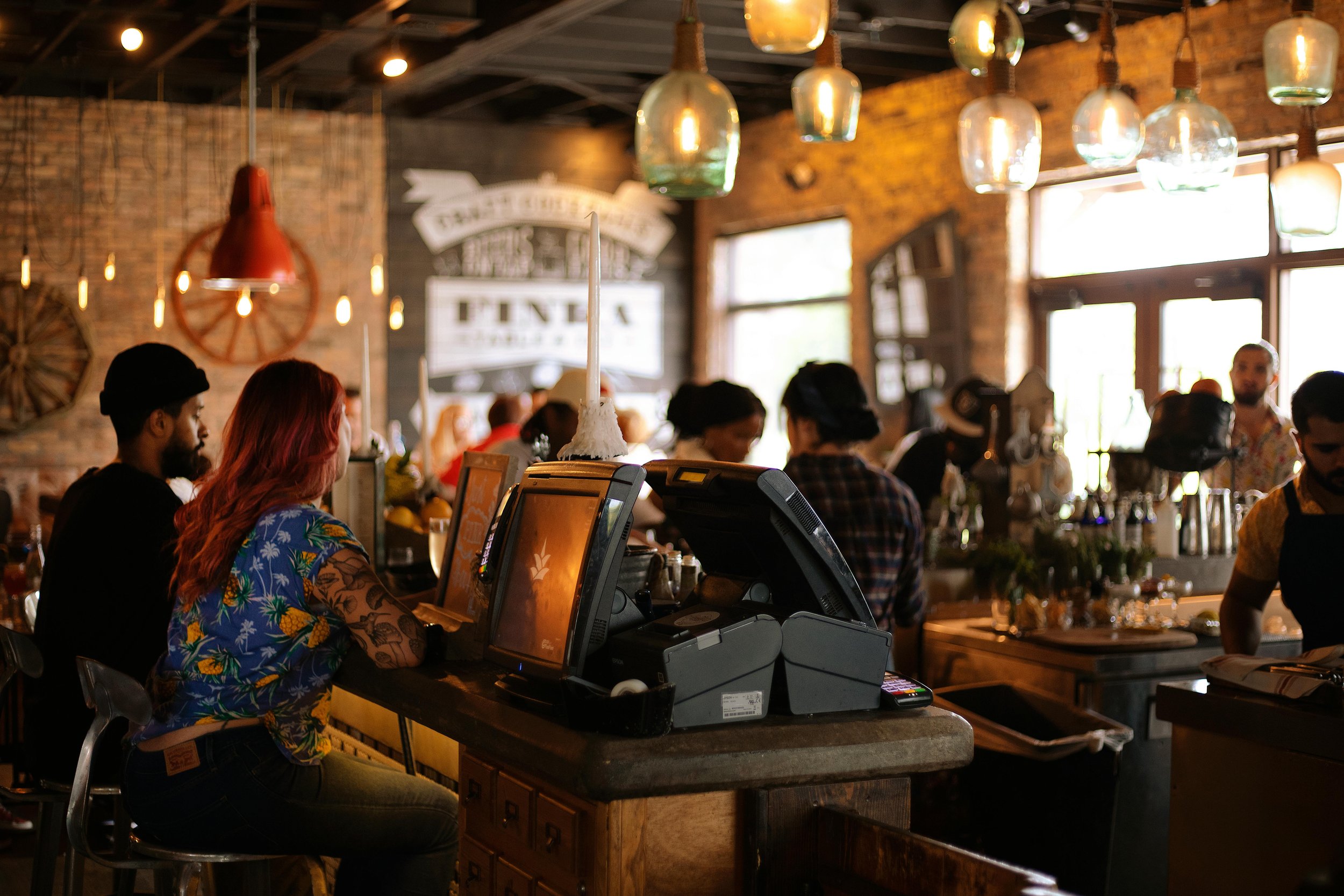
Hospitality has been conditioned to believe that every guest is a good guest. More covers, more tables, more transactions. Growth has been tied to volume for so long that most operators never question it. But volume without alignment is not growth. It is noise.
Saying yes to everyone feels safe. It fills seats. It drives short-term revenue. It avoids difficult decisions. But it also introduces the wrong behaviors into your space. Guests who don’t respect the concept, don’t match the pace, and don’t value the experience. And those guests don’t just impact their own table. They affect the entire room.
Guest behavior is highly sensitive to the quality of their experience. According to Zendesk, 73% of consumers will switch to a competitor after multiple bad experiences. That shift doesn’t always come from one major failure. It often comes from inconsistency; a space that feels different depending on the night, the crowd, or the energy. This is where misaligned guests start to matter. When the room feels off, the right guests notice. And when they notice repeatedly, they leave.
The wrong guests don’t just spend less. They change everything.
Not all revenue is equal.
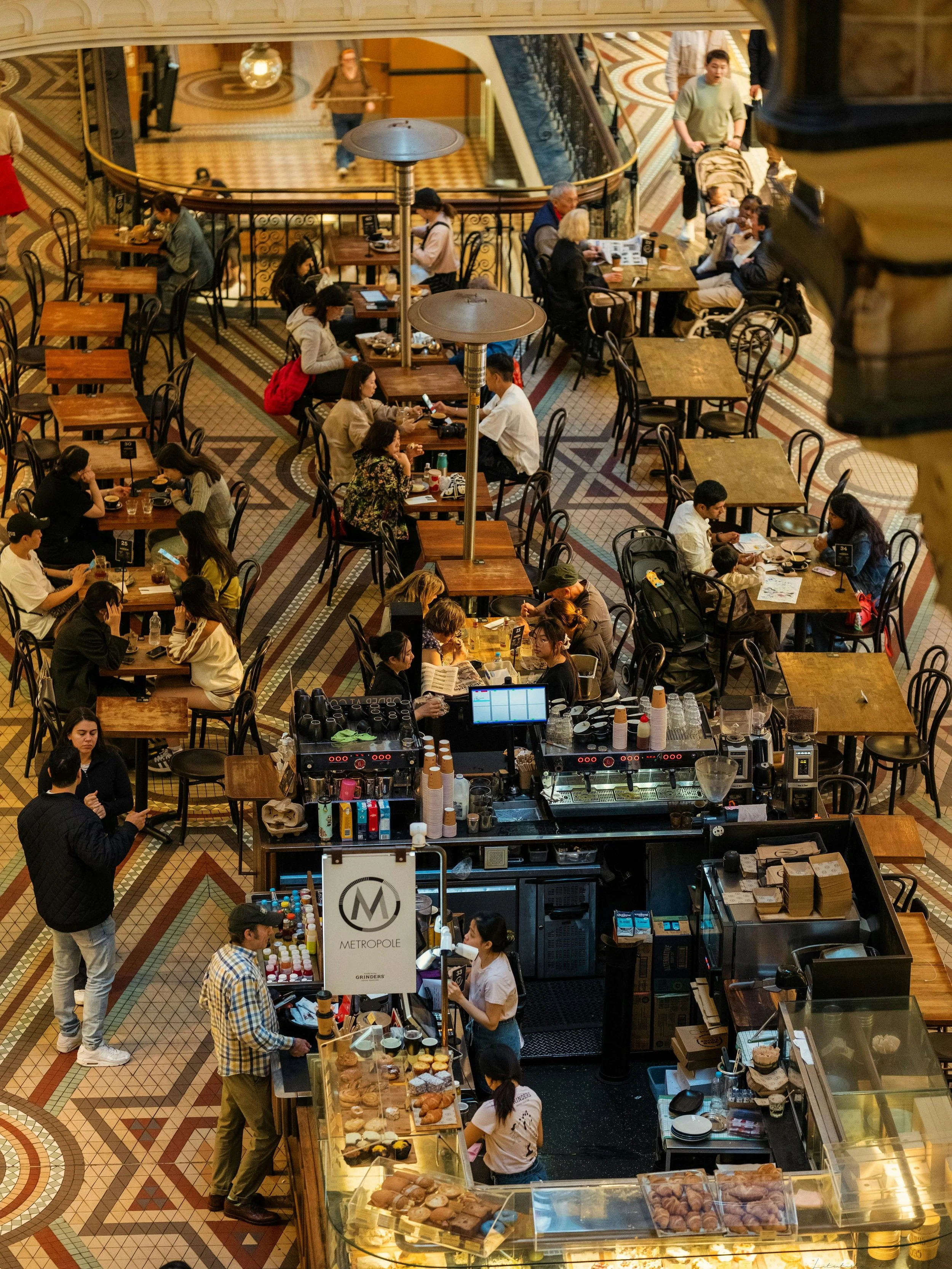
Some guests increase momentum. They stay longer, engage more, and contribute to the energy of the space. Others do the opposite. They question pricing, rush the experience, or treat the space like something it’s not. The difference is not just in spending. It is in behavior and impact.
Report says 88% of customers say the experience a company provides is as important as its products or services. That means every guest interaction contributes to perceived value. When the wrong guests dominate the space, the experience shifts. It becomes louder in the wrong way, slower in the wrong places, and inconsistent in delivery.
From the consumer side, this shows up clearly. They may not articulate it as “misaligned audience,” but they feel it:
The energy is off
The service feels uneven
The experience doesn’t match expectations
And once that perception forms, trust drops.
Trying to please everyone makes your bar forgettable
Clarity is one of the most valuable assets in hospitality. Guests should be able to understand what your bar is, who it’s for, and what kind of experience to expect. When you try to serve everyone, that clarity disappears.
Instead of a defined experience, you end up with a compromise:
A menu that tries to satisfy too many preferences
A service style that shifts depending on the table
An atmosphere that changes depending on who walks in
This creates a deeper issue. It makes your bar forgettable.
According to statistics, 59% of consumers prefer to buy new products from brands familiar to them. Familiarity is built through consistency and clarity. If your experience feels different every time, guests don’t form a clear memory of your brand. And if they can’t clearly remember you, they won’t choose you again.
From the consumer perspective, this shows up as indifference. They don’t avoid your bar. They just don’t think of it.
What this means for operators
Not all customers contribute to long-term growth
Some guests create inconsistency, reduce perceived value, and push away your ideal audience.Experience is shaped by who is in the room
The wrong guest mix disrupts energy, pacing, and service quality.Trying to serve everyone weakens your positioning
Without a clear audience, your brand becomes diluted and forgettable.
What operators should do
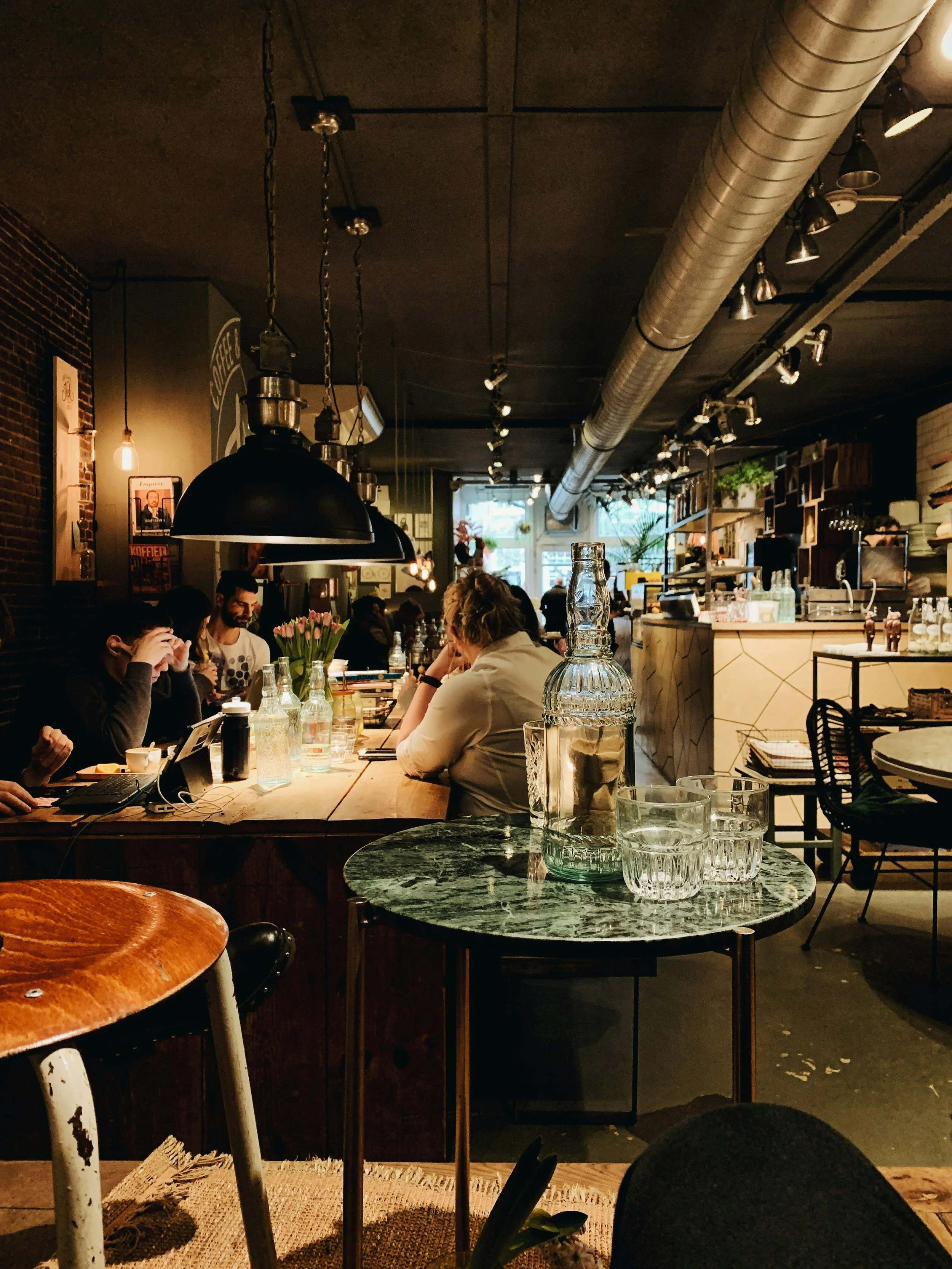
Define your ideal guest clearly
Know who your space is built for. This informs everything from pricing to music to service style.Align your systems with your audience
Reservations, menu structure, and service flow should reinforce the type of guest you want to attract.Stop optimizing for volume alone
Focus on guest quality, not just quantity. The right guests increase spend, retention, and consistency.Be willing to filter demand
Not every customer needs to be converted. Some should naturally opt out based on your positioning.
What this means for consumers
Not every place is meant for everyone, and that improves quality
The best venues are intentional. They create experiences designed for specific audiences.Inconsistency often comes from mixed expectations
When a space tries to accommodate too many types of guests, the experience becomes uneven.Your presence influences the experience
How you engage, spend, and behave contributes to the overall environment.
What consumers can do
Choose places that align with your expectations
Instead of expecting every venue to adapt, find spaces designed for your preferences.Respect the experience being created
Engaging with the space as intended helps maintain consistency for everyone.Support clarity over convenience
Choosing places with a strong identity helps those businesses continue delivering better experiences.
HoCo perspective
Saying yes to everyone is not hospitality. It is a lack of direction.
It avoids defining your audience
It avoids setting boundaries
It avoids building a clear experience
The strongest hospitality brands are not inclusive for everyone. They are intentional about who they serve.
At HoCo, we design systems that align guest behavior with business goals. Because when the right guests fill the room, everything improves.
Energy becomes consistent
Service becomes smoother
Revenue becomes stronger
And the experience becomes something guests recognize, remember, and return to.