Cultural appropriation on menus: where's the line between respect and exploitation?
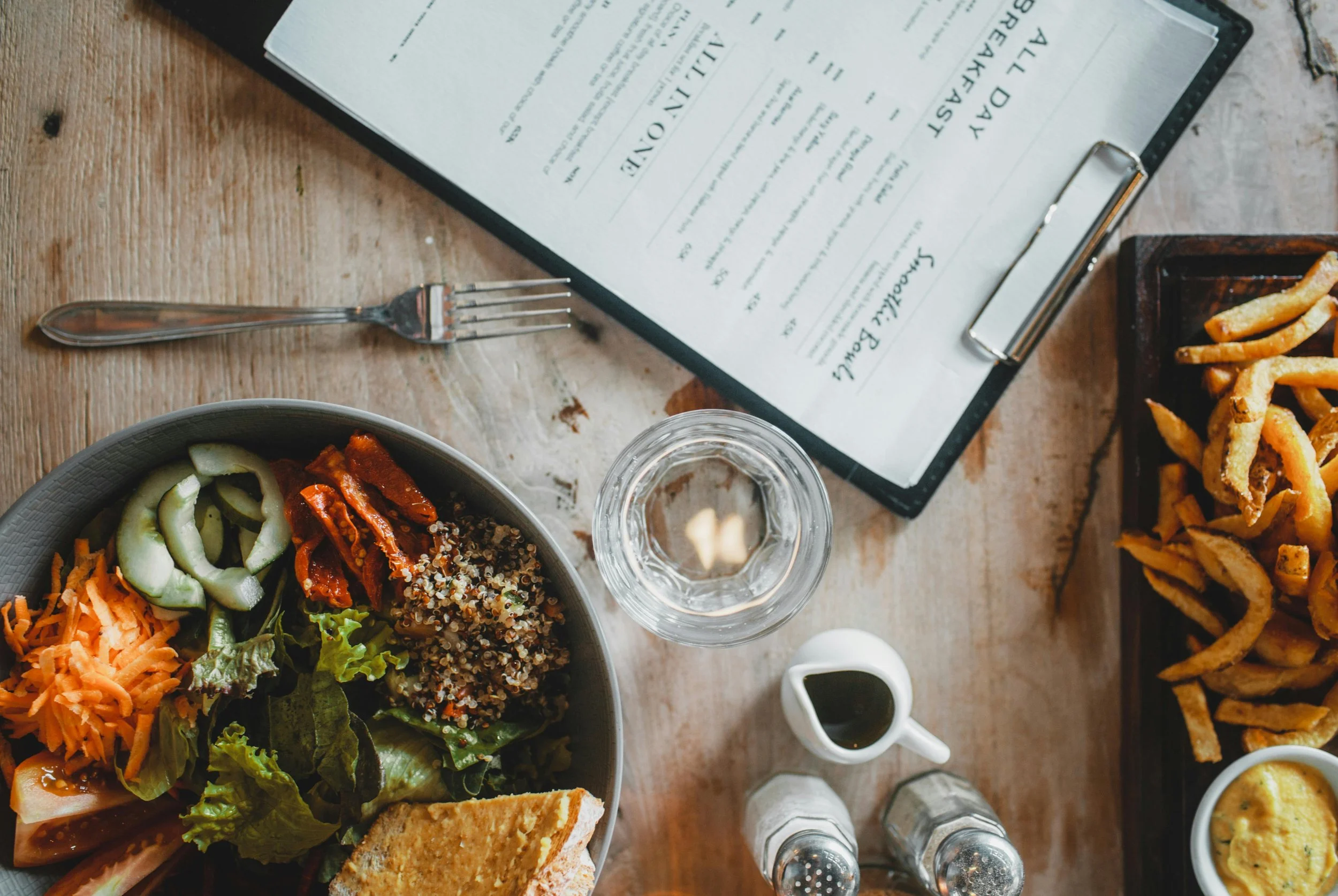
The debate around cultural appropriation in food is real, consequential, and increasingly visible to the guests operators most want to attract. Understanding where influence ends and exploitation begins is not just an ethical question. It is a brand and business one.
Food has always traveled. Ingredients, techniques, and dishes move with people across borders and generations, and that movement has always produced the most interesting cooking. The global flavor shift currently reshaping American dining is not a passing trend. Datassential's 2025 analysis identifies global flavors as a structural shift in how Americans eat, with Vietnamese, Peruvian, Korean, Lebanese, and Nigerian cuisines entering mainstream menus faster than any previous wave of culinary influence. Consumers want depth, specificity, and authenticity. They are not looking for a vague "Asian noodle bowl." They are looking for hand-pulled Vietnamese bánh mì with context, or slow-cooked birria described the way it is actually made in Jalisco.
This appetite creates a genuine opportunity for operators who approach global cuisine with knowledge, investment, and honest communication. It also creates a well-documented risk for those who do not. High-profile cases including Gordon Ramsay's Lucky Cat and the Lucky Lee's controversy in New York demonstrate that describing food from another culture as "authentic" or framing it as a healthier alternative to how that culture actually cooks it produces backlash that is swift, public, and lasting. In both cases the reputational damage was not primarily about the food. It was about the framing: claiming authority over a cuisine without the background to support it, and in the Lucky Lee's case, implicitly demeaning the original to elevate the copy.
The consumer most likely to notice this gap is also the consumer operators most want to build loyalty with. 76% of consumers say detailed menu descriptions matter when trying unfamiliar foods, according to Datassential. Vague descriptions reduce trust. Specific ones, naming the technique, the regional origin, the supplier, build it. And 73% of consumers say they would trust a brand more if it authentically reflects today's culture, according to Edelman's 2025 Trust Barometer. The operators who get global cuisine right are not just avoiding controversy. They are building the kind of credibility that compounds into loyalty. The ones who get it wrong are learning that the same audience can move just as quickly in the other direction.
What this means for operators
The menu is a set of decisions. Every dish communicates something about how you made them.
The distinction between cultural appreciation and cultural appropriation in hospitality is not primarily ideological. It is operational. The difference between an operator who earns the right to serve a cuisine outside their own background and one who generates backlash for doing so almost always comes down to the same variables: how much they invested in learning, who they learned from, whether those people are credited and compensated, and how honestly the menu communicates what it is and is not claiming. These are not abstract ethics questions. They are menu design, training, sourcing, and communication decisions that operators make every service.
The demand for global cuisine is real and growing. 49% of operators identify staff training as their top challenge when introducing global dishes, specifically the expertise needed to source authentic ingredients, understand flavor balance, and respect regional traditions. That gap between operator intent and operational execution is where the credibility problem lives. An operator who puts birria on the menu without training their kitchen on the preparation, without sourcing the appropriate chiles, and without being able to explain the dish's origins to a curious guest is not celebrating Mexican cuisine. They are using its name recognition without its substance, and the guests who know the difference will say so publicly.
The research on Peruvian cuisine's global rise, published in peer-reviewed hospitality literature in 2025, offers a useful framework. Cultural appreciation involves acknowledging and genuinely valuing cultural diversity to foster acceptance, while appropriation involves the non-consensual or inappropriate adoption of elements from a marginalized culture without acknowledgment or reciprocity. For restaurant operators, reciprocity takes a practical form: sourcing from producers within that culture, hiring people from that background in roles of culinary authority, paying fairly for the knowledge that shapes the menu, and being transparent about the operator's own relationship to the cuisine they are serving.
What operators should do
Build your culinary knowledge investment before you build the menu
Spending time with the cuisine you want to serve, learning from people within that culture, training in the techniques, and understanding the regional context is not extra work. It is the work. The menu that comes out of genuine investment in understanding produces better food, more credible descriptions, and a team that can speak to every dish with authority.
A bar program that introduces a Mexican spirits menu after the beverage director has spent time with producers in Oaxaca, understands the distinction between mezcal production methods, and has built relationships with importers who work directly with small-batch distillers is serving a different product from one that added mezcal to the menu because it trends well on Instagram. The first team can talk about it. The second team is hoping no one asks.
Credit the source explicitly and specifically on the menu and in service
Naming the cultural origin of a dish, the regional tradition it draws from, or the specific producer whose technique shaped it is not a disclaimer. It is context that makes the dish more interesting, builds the operator's credibility, and demonstrates respect for the people whose knowledge is being applied. Vague descriptors like "Asian-inspired" or "Mediterranean-style" communicate the opposite: that the operator knows enough to use the aesthetic but not enough to be specific.
A menu that describes a dish as "slow-braised lamb shoulder in the style of a Moroccan tagine, seasoned with ras el hanout sourced from a family-run spice trader in Marrakech" is communicating sourcing discipline, cultural specificity, and supplier relationship in one sentence. That description builds trust. "Moroccan-spiced lamb" does not.
Hire a culinary authority from within the cultures you are drawing from
The most durable way to build credibility with a cuisine is to have someone with genuine cultural authority in the kitchen shaping it. This is not a diversity checkbox. It is the most direct path to the ingredient knowledge, technique depth, and cultural context that make the difference between food that tastes right and food that reads as a well-intentioned imitation.
A restaurant that builds its Korean menu with a Korean chef in a role of genuine culinary decision-making is producing a different product from one that sends its existing team to a weekend workshop and updates the menu. The former has the knowledge in the building. The latter has a version of the knowledge, and the difference is almost always detectable by guests who grew up eating the real thing.
Invest in sourcing from producers within the culture you are representing
Where ingredients come from and who profits from their sale is part of the cultural equation. Sourcing directly from producers within a culinary tradition, whether that means importing spices from the region they originate in, working with local immigrant-owned suppliers, or using heritage grain varieties from the cultures that developed them, puts economic reciprocity into the menu decision. It also produces better food.
A cocktail program that sources its mescal directly from a small cooperative in Oaxaca rather than from a mass-produced label that uses the aesthetic without the substance is making a sourcing decision that affects quality, cultural credibility, and producer livelihood simultaneously. The story behind that bottle is also something a bartender can tell every shift, and that story is worth more in guest loyalty than any trend placement.
Train your entire team to speak to the cultural context of every dish on the menu
A menu description only reaches the guest who reads it. A server or bartender who can speak to a dish's cultural origins, preparation technique, and ingredient sourcing reaches every table. Gen Z diners in particular have zero tolerance for brands that feel like they are hiding something, and a team that cannot answer basic questions about the food they are serving communicates exactly that.
A server who can explain that the jollof rice on the menu uses a West African slow-cooking technique, that the recipe was developed with a Nigerian chef consultant, and that the palm oil comes from a Fair Trade certified supplier in Ghana is doing three things simultaneously: building guest confidence, demonstrating operator investment, and making the dish worth ordering for reasons beyond its price point.
What this means for consumers
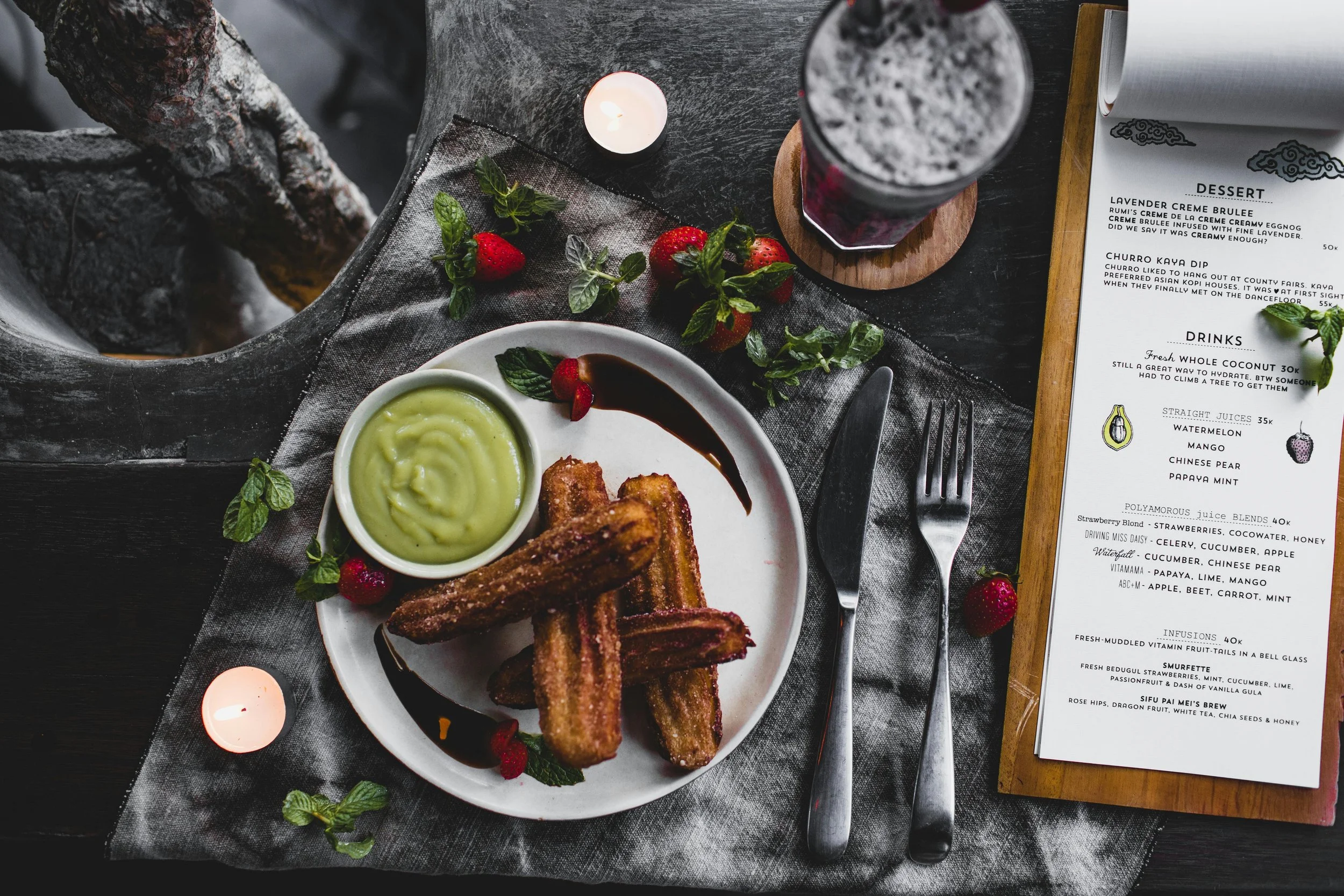
The most informed diners in the room are also the most influential ones.
The consumer appetite for global cuisine is genuine, growing, and more culturally literate than it has ever been. Gen Z and Millennials lead global food exploration and adoption, with younger consumers more likely to view global foods as cultural exploration than trend-chasing. That orientation matters because it comes with an implicit expectation: if you are going to serve it, you should know what it is, where it came from, and who deserves credit for it. The guests who care most about these questions are also the ones most likely to share their experience publicly, which makes their assessment of cultural authenticity a material business factor for any operator serving global cuisine.
The gap between cultural appreciation and appropriation is not always obvious from the guest side of the table. A technically competent version of a dish from another culture can taste good without reflecting the depth or integrity of the original. What distinguishes an operator who has genuinely invested in understanding a cuisine from one who has borrowed its surface aesthetics is usually visible in the specificity of the menu, the knowledge of the team, and the sourcing decisions behind the ingredients. 61% of Gen Z consumers say they are more likely to pay a premium for products that are sustainably and ethically sourced. Cultural sourcing integrity is part of that ethical calculation, and the guests most willing to pay for quality are also the most capable of evaluating whether that integrity is real.
Consumer behavior in this space has direct market consequences. When guests reward restaurants that invest in cultural knowledge and sourcing honesty with return visits, strong reviews, and word-of-mouth, they are funding the standard they want to see. When they treat every version of a cuisine as equivalent regardless of the operator's investment or cultural relationship, they are removing the incentive to do the work. The dining choices that feel personal are always also shaping the industry. In the conversation around cultural representation in food, the guest's voice and wallet are part of the argument.
What consumers can do
Read the menu as a document, not just a list of dishes
How a menu describes a dish tells you a great deal about how an operator thinks about it. Specific cultural attributions, named regions, identified techniques, and credited sourcing reflect investment in understanding. Vague "inspired by" language without supporting detail reflects the aesthetic without the substance. The difference between the two is almost always visible before the food arrives.
A menu that describes a dish as "West African groundnut stew made with our chef's grandmother's recipe, using sustainably sourced peanuts from a Ghanaian cooperative" is communicating something fundamentally different from one that says "African-inspired peanut soup." The first has a person, a place, and a source behind it. The second has a mood board.

Ask questions when the menu does not give you enough information
A team that can answer questions about the cultural origins of the food they are serving is a team that has been trained by an operator who takes those origins seriously. A team that cannot is showing you something about how much the operator invested in the knowledge behind the menu, and that information is worth having before you decide whether the experience is worth your continued patronage.
Asking a server where the miso in a dish comes from, or how a fermentation technique was learned, costs thirty seconds and reveals whether the kitchen has genuine depth on the ingredient or has used it because it trends well. Most guests never ask. The ones who do get a clearer picture of what they are actually eating and who made it possible.
Seek out and support restaurants owned and operated by people from the cultures they represent
The operators with the deepest cultural authority over a cuisine are almost always those who grew up cooking it, learned it from family, or built their careers within that culinary tradition. Supporting those businesses directly, not just as an ethical preference but as a quality signal, puts resources into the hands of the people whose knowledge created the dishes being celebrated elsewhere on more high-profile menus.
The Nigerian restaurant run by a chef from Lagos, the Vietnamese pho shop owned by a family that has been making the broth the same way for three generations, and the Peruvian cevichería staffed by people from Lima are offering something that no amount of culinary research by an outside operator fully replicates. Finding those places and returning to them regularly is both a personal dining upgrade and a market signal worth sending.
Write reviews that name what good cultural representation looks like when you experience it
A review that notes specific sourcing honesty, cultural credibility, and the depth of staff knowledge gives future guests the information to find operators who are doing it right. It also gives those operators documented evidence that the investment in cultural integrity is being recognized and rewarded, which strengthens the business case for every operator still deciding whether the work is worth doing.
A review that says "the chef explained that the mole recipe came directly from her family in Puebla and that the chiles are imported from the same region" is doing more for that restaurant's long-term credibility than a five-star rating that says "great tacos." The specificity is what builds the reputation that matters most: one that is earned rather than assumed.
The restaurants building genuine cultural authority are not playing it safe. They are investing in knowledge, sourcing honestly, and communicating clearly, and the market is rewarding that investment with the loyalty of the most discerning guests in the room. HoCo works with operators to build the menu strategy, team training, and sourcing infrastructure that turns cultural curiosity into credibility, and credibility into the kind of guest relationships that last beyond the trend cycle.
Sources
1. Datassential — Global Flavors Are Redefining American Restaurant Trends in 2025
2. Edelman / Amra & Elma — Brand Trust and Transparency Statistics 2025 (citing Edelman Trust Barometer)
3. SAGE Journals / International Journal of Management Studies — Cultural Appreciation and Appropriation in the Crafting of New Peruvian Cuisine, 2025
4. Time Magazine — A 'Clean' Chinese Food Restaurant in New York Is the Latest Flashpoint in the Cultural Appropriation Debate
5. The Food Institute — 3 New Keys to Connecting with Gen Z Consumers, 2025
6. Attest — Gen Z Food Trends 2025: Social Media, Sustainability and More