When Inclusivity Becomes a Buzzword: Are Hospitality Brands Just Checking Boxes?
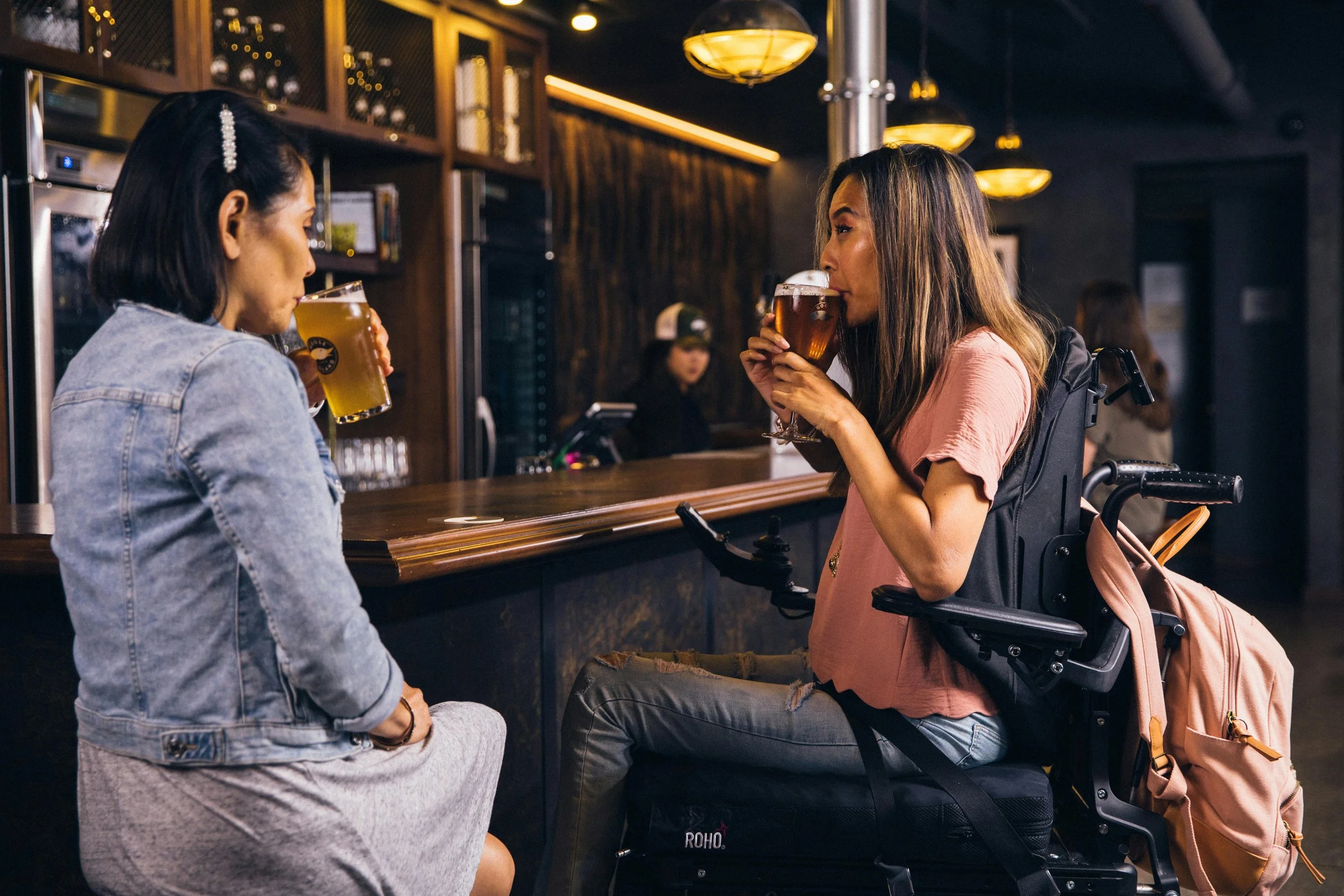
The conversation around inclusivity is growing, but so is the tension
Inclusivity has become one of the most visible themes in hospitality. It shows up in branding, hiring, menus, and guest-facing messaging. At the same time, it has also become one of the most debated topics in the industry. Some see it as essential to modern hospitality. Others see it as overused, performative, or disconnected from operational reality.
Both perspectives exist for a reason.
Inclusivity, when done well, improves experience, broadens access, and strengthens long-term business performance. When done poorly, it feels like a checklist, a campaign, or a surface-level adjustment that doesn’t translate into the actual guest experience.
The issue is not whether inclusivity matters. It does.
The issue is whether it is being built into the system or simply communicated as an idea.

Inclusivity is no longer optional. It shapes how guests choose
Guest expectations have evolved beyond product and service. They now include how a space makes them feel, how accessible it is, and whether it reflects a broader understanding of different needs and backgrounds.
According to Deloitte, 57% of consumers are more loyal to brands that commit to addressing social inequities. This shows that inclusivity is not just a cultural expectation. It directly influences loyalty. From an experience standpoint, Salesforce reports that 88% of customers say the experience a company provides is as important as its products or services. Inclusivity plays a role in that experience. When guests feel considered, understood, and comfortable, it strengthens perception and increases the likelihood of return.
There is also a workforce dimension. According to McKinsey & Company, companies in the top quartile for ethnic and cultural diversity are 36% more likely to outperform on profitability. This connects inclusivity to internal performance, not just external perception.
Inclusivity influences:
Who chooses you
Who returns
How your team performs
It is both a guest-facing and operational factor.
The gap: inclusivity is often communicated better than it is delivered
Many hospitality brands talk about inclusivity. Fewer operationalize it. This is where the controversy comes from.
Guests don’t evaluate inclusivity based on messaging. They evaluate it based on experience. If the environment, service, or systems don’t support the message, the gap becomes visible. From the consumer side, this creates skepticism. When inclusivity feels performative, it reduces trust instead of building it. From the operator side, the challenge is execution. Inclusivity requires adjustments across:
Service training
Space design
Menu structure
Communication
It is not a single initiative. It is a layered system. When those layers are not aligned, the result is inconsistency. And inconsistency is what guests feel.

Where Operators Can Build Real Inclusivity
Design experiences that consider different guest needs without overcomplicating operations
Inclusivity is not about adding endless options. It is about removing friction. This can show up in clear menu labeling, flexible seating arrangements, or service that adapts without disrupting flow.Train teams for awareness and consistency, not scripts
Inclusivity is often expressed through interaction. Teams should be equipped to handle different guest needs naturally and consistently, rather than relying on rigid responses that feel forced.Align inclusivity with your concept and positioning
Inclusivity does not require losing identity. A well-defined concept can still be inclusive when it is intentional about how guests are welcomed and how experiences are delivered.Audit the full guest journey, not just the visible touchpoints
From reservation to payment, every step influences whether a guest feels comfortable. Small friction points often have a larger impact than major design decisions.
What This Means for Guests and How You Can Engage
Inclusivity shapes how comfortable and confident you feel in a space
When environments are designed with awareness, it reduces uncertainty and allows you to focus on the experience itself rather than navigating barriers.Not all inclusivity is visible, but it is felt
The best experiences often integrate inclusivity seamlessly into service and design. It may not always be explicitly communicated, but it shows in how smoothly the experience unfolds.Your choices reinforce better standards
Supporting spaces that deliver consistent, thoughtful experiences encourages more businesses to invest in meaningful inclusivity rather than surface-level messaging.
Why Inclusivity Benefits the Business
Inclusivity is often framed as a value. It is also a performance driver.
It expands your addressable audience by making your space accessible to more people.
It improves guest retention by creating more consistent and comfortable experiences.
It strengthens team performance by building more adaptable and aware staff.
It enhances brand perception by aligning messaging with real experience.
When inclusivity is operationalized, it reduces friction and increases consistency. Both directly impact revenue.
Why This Matters for HoCo
HoCo does not approach inclusivity as a trend or a talking point. We approach it as a system. We look at how guest behavior, team performance, and brand positioning interact. Inclusivity works when those elements are aligned, not when they are treated separately. Our role is to translate abstract values into operational structure. Because in hospitality, what matters is not what you say. It is what guests experience consistently.
Inclusivity is not about choosing sides. It is about raising standards.
The best hospitality brands are not the ones that speak the loudest about inclusivity. They are the ones that integrate it into how they operate, how they serve, and how they design experiences.
When done right, inclusivity does not feel like an initiative. It feels like good hospitality.