Why Guests Trust Brands That Tell the Truth Online
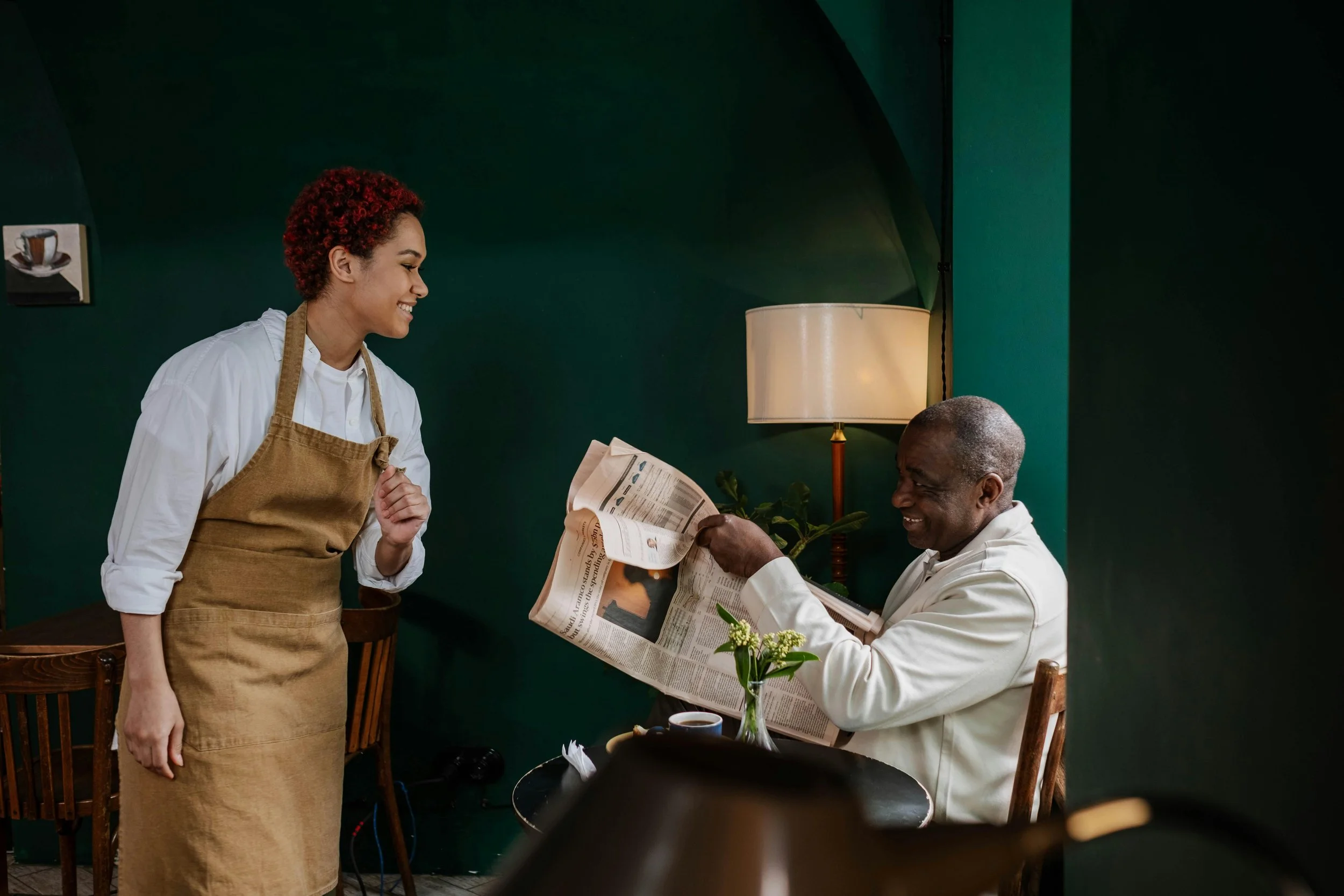
Perfect marketing used to signal professionalism. Today, it often signals distance.
Guests are no longer persuaded by flawless imagery alone. They want context. They want to understand how things are made, how teams operate, and what the experience actually feels like before they arrive. Transparency has become one of the most influential trust signals in hospitality, not because it looks better, but because it reduces uncertainty.
This shift is not aesthetic. It is behavioral.
Trust Is Built Before the Reservation
97% of consumers read online reviews for local businesses before visiting them.
Trust is no longer built at the table. It is built before the reservation is even made. Guests now arrive with a pre-formed perception shaped by reviews, content, and digital signals. Reviews act as public documentation of past experiences, and those experiences shape expectations around service quality, pricing fairness, and overall atmosphere. By the time a guest walks in, they are not discovering your brand. They are confirming what they already believe.
This changes where trust is earned. It is no longer enough to deliver a strong in-person experience. That experience must already be visible and credible before the guests commit.
For consumers, this means the decision is rarely spontaneous. It is influenced by accumulated signals, not a single moment.

Social Content Now Acts as Reputation Evidence
54% of diners say they discover new restaurants through social media platforms. At the same time, 85% of consumers report purchasing a product after seeing it on social media.
Social platforms are no longer promotional tools. They function as evaluation environments.
Guests are not just browsing content. They are assessing credibility. Every post, video, or behind-the-scenes clip contributes to how a brand is perceived. Visibility alone is not enough. What matters is whether that visibility feels real and aligned with what guests expect to experience.
This is what some operators miss. They focus on producing polished content that looks impressive but lacks depth. Without context, that content does not build trust. It creates distance.
From the consumer perspective, this creates a filtering effect. Guests gravitate toward brands that feel familiar and understandable, not just visually appealing. What they see repeatedly becomes what they trust.
Transparency Reduces Perceived Risk
Dining out carries uncertainty. Guests are making decisions based on incomplete information, and that uncertainty influences whether they choose one place over another.
That is why research from Stackla found that 79% of people say user-generated content highly impacts their purchasing decisions.
Transparency reduces that uncertainty by making the experience easier to visualize. When guests see real interactions, real environments, and real outcomes, they are better able to assess whether the experience matches their expectations. This is not about oversharing. It is about removing friction from the decision-making process.
Transparency increases conversion because it answers unspoken questions before they are asked. It builds consumer confidence because it replaces assumptions with clarity.
Patterns That Signal Authentic Hospitality
Guest behavior around transparency follows predictable patterns.
Guests trust what looks real more than what looks polished
Highly produced content can create emotional distance. When every photo appears staged, audiences assume the brand is curating perception rather than showing reality. Simple, honest footage often feels more credible because it resembles what guests expect to experience themselves.Behind-the-scenes content humanizes the operation
Showing chefs prepping ingredients, bartenders setting up the bar, or managers preparing service gives guests insight into the work behind hospitality. That visibility builds respect for the craft and signals that the operation takes quality seriously.Imperfections create relatability
Small moments such as staff laughter, a candid kitchen clip, or a quick explanation of sourcing remind audiences that hospitality is run by people. Relatability strengthens emotional connection more effectively than polished branding.
These patterns show that authenticity does not weaken brand perception. It strengthens credibility.

What Operators Should Do
Show how your business actually operates
Move beyond showcasing finished products and start documenting process, workflow, and team dynamics. This builds depth and reinforces the value behind your offering.Align content with real experience delivery
Your marketing should accurately reflect your service style, pacing, and atmosphere. When expectations match reality, trust compounds, and guest satisfaction becomes more consistent.Use transparency to attract aligned guests
Clear visibility helps the right audience self-select into your space. This reduces friction, improves experience quality, and creates a more consistent environment.
What This Means for Consumers and What You Should Do
Your expectations are shaped before you arrive, so be intentional about what you trust
What you see online directly influences how you interpret your experience. Prioritize content that shows real environments, real interactions, and real service, not just curated visuals, so your expectations are grounded in reality.Not all content reflects the full experience, so look for context, not just aesthetics
Highly polished posts often highlight only the best moments, which can limit your ability to assess the full experience. Pay attention to content that shows how a place actually operates to make better decisions.Your choices influence what businesses succeed, so support clarity and consistency
When you consistently choose brands that are transparent and aligned with their experience, you reinforce better standards in hospitality. This helps elevate the overall quality of what’s available.

Why This Matters for HoCo
HoCo connects both sides of the experience
We don’t just analyze operator performance or consumer behavior in isolation. We understand how each side influences the other and where misalignment occurs.We turn behavior into systems
Transparency is not treated as a trend. It is structured into how businesses communicate, operate, and deliver experiences consistently.We position hospitality as an ecosystem
Marketing, operations, and guest behavior are interconnected. Aligning them creates stronger performance, clearer positioning, and more predictable growth.
The HoCo Approach
Hospitality Coalition approaches marketing differently. Instead of chasing visibility, we analyze behavior. Transparency works because it aligns with how guests evaluate risk, build trust, and make purchasing decisions. Our Behavior-Based Growth framework integrates content, pricing communication, service design, and guest psychology into one system.
Marketing becomes part of the hospitality experience itself.
Operate like an executive.
Treat your business like a research lab.
Respect hospitality as an ecosystem, not a party.
If your marketing feels disconnected from how guests actually make decisions, it is time to build a system.