Short-Form Video Is Not Optional Anymore, But It Does Need a Plan
Short-form video is no longer an experimental marketing tactic. It is how guests discover, evaluate, and emotionally connect with hospitality brands before making a reservation.
Instagram announced that video now accounts for more than 50 percent of time spent on the platform. TikTok has surpassed 1.5 billion active users globally. More importantly for hospitality operators, Google executives revealed that nearly 40 percent of Gen Z users prefer searching on TikTok or Instagram instead of Google Search when looking for places to eat.
Discovery behavior has changed. Guests are not waiting to land on your website. They are scrolling, evaluating, and making decisions inside video platforms. If your restaurant is not intentionally present in that ecosystem, you are invisible during the research phase of the guest journey.
This is not about chasing trends. It is about respecting behavioral data.

Why Random Posting Fails
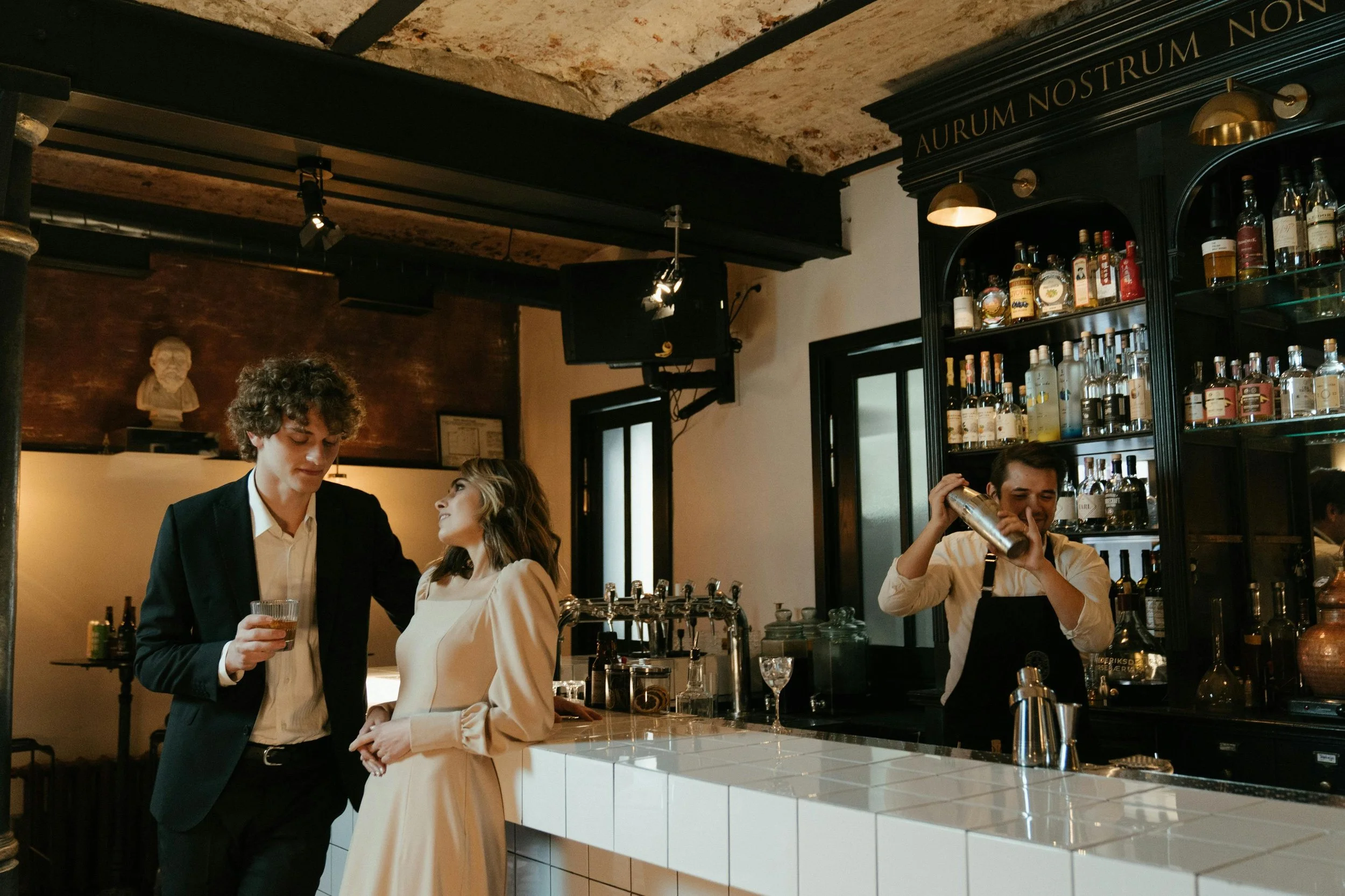
Many restaurants know they “should” be posting video. The execution is where things collapse. A bartender records a cocktail during a busy shift. A trending audio is added. It posts. Engagement spikes once. The team attempts to replicate it. Then burnout sets in.
The problem is not effort. It is lack of system design.
HubSpot’s 2026 Marketing Statistics found that short-form video delivers the highest ROI of any social media content format. At the same time, 42 percent of marketers report that maintaining consistent content output is one of their biggest challenges.
Video works.
Sustainability does not happen accidentally.
Hospitality operators are already navigating labor shortages, rising food costs, and operational complexity, adding chaotic content expectations creates predictable exhaustion. According to the National Restaurant Association, more than 9 out of 10 of operators report food costs as a significant challenge, and labor pressures remain one of the top concerns across the industry.
Random posting piles pressure onto an already strained system.
Guesswork marketing is the enemy.
Discovery Drives Revenue
Short-form video is not about views. It is about influence over purchasing behavior. OpenTable reports that 54 percent of diners discover new restaurants through social media. That discovery stage shapes where they click, book, and ultimately spend. Sprout Social reports that 85 percent of consumers have purchased a product after seeing it on a brand’s social media post. Visibility influences action.
If your content does not reinforce your positioning, pricing transparency, and service tone, you are creating attention without direction. That attention does not convert.
Behavior-Based Growth requires aligning content with decision triggers such as curiosity, exclusivity, social proof, and perceived value. Without that alignment, posting becomes entertainment rather than strategy.
The Integration Problem
One of the biggest gaps in hospitality marketing is fragmentation. Digital presence is treated as separate from service delivery. Content is treated as separate from pricing communication. Reservation systems are treated as separate from storytelling. Guests experience all of these elements as one ecosystem.
BrightLocal’s Local Consumer Review Survey found that 97 percent of consumers read online reviews for local businesses. Digital perception shapes trust before a guest ever arrives. If your short-form video promises premium experience but your booking system feels clunky or your pricing appears unclear, friction emerges.
Trust weakens quietly.
Short-form video must support the full guest journey, not distract from it.
What Sustainable Content Actually Looks Like
Sustainable short-form strategy is operational, not impulsive.
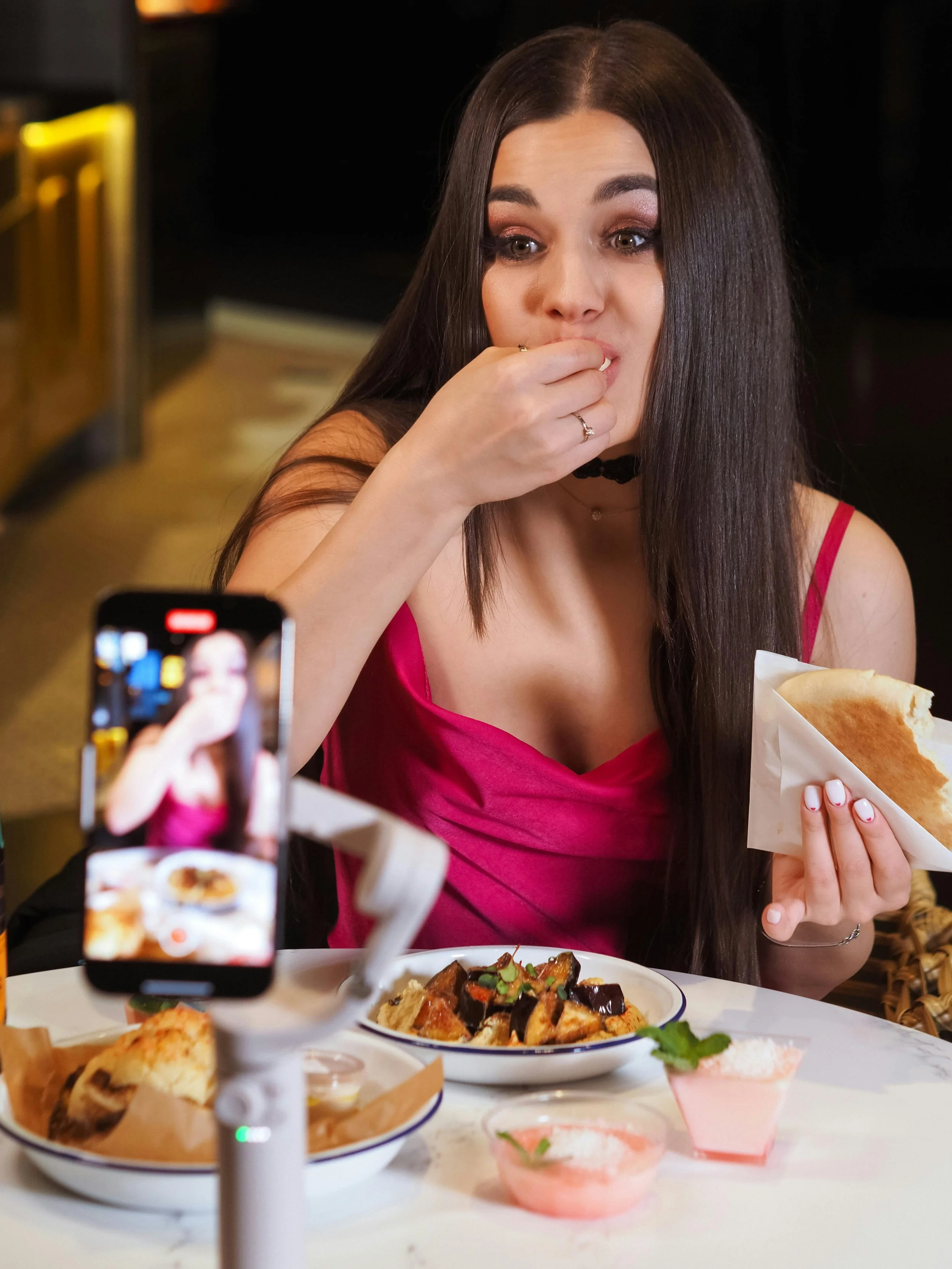
It begins with defined content pillars tied to guest behavior. A fine-dining concept may emphasize sourcing transparency and chef philosophy. A nightlife brand may focus on atmosphere and social proof. A fast-casual concept may highlight speed, convenience, and value clarity.
It continues with seasonal mapping. Valentine’s Day content differs from summer patio messaging. Holiday party promotion differs from January reset campaigns. Content should reflect mood cycles and booking behavior, not random inspiration. It requires batching production. Filming in structured sessions prevents daily scrambling and protects team energy. It demands performance analysis tied to reservations, not vanity metrics. If a video generates saves and direct booking inquiries, it holds strategic value. If it generates views without conversion, it needs refinement.
HubSpot State of Marketing Report found that video is the most leveraged content format by marketers. Consumption habits are decisively visual. The question is not whether to participate. The question is how to build participation into operational systems. Sustainable content protects energy. Burnout is not proof of dedication. It is proof of structural failure.
The Controversy Around “Serious” Brands
Some operators still believe short-form video cheapens their brand. That quality should speak for itself. That mindset ignores behavioral research.
Google’s data on Gen Z search behavior confirms that younger consumers are bypassing traditional search engines in favor of social discovery. Even older demographics increasingly rely on Instagram previews and video walk-throughs to evaluate ambiance.
Guests do not separate your dining room from your digital presence. They evaluate both. Refusing to build a structured short-form presence does not protect brand integrity. It signals detachment from how modern consumers make decisions.
The HoCo Approach
Hospitality Coalition was built from years inside this industry. We have watched operators exhaust themselves chasing visibility without understanding behavior. Short-form video is not optional. But chaotic posting is. HoCo’s Behavior-Based Growth framework treats content as part of a broader system. We analyze buying habits, seasonal demand shifts, loyalty cycles, and emotional triggers before building content plans. We align digital messaging with pricing transparency, service standards, and booking infrastructure.
Content becomes a strategic asset. It supports revenue instead of draining capacity. Hospitality is not just food and drinks. It is psychology, systems, and behavior.
Short-form video is simply one expression of that system.
Operate like an executive.
Treat your business like a research lab.
Respect hospitality as an ecosystem, not a party.
If your content feels random, your strategy probably is.
Build the system.