Most Bars Lose the Guest in the First 10 Seconds
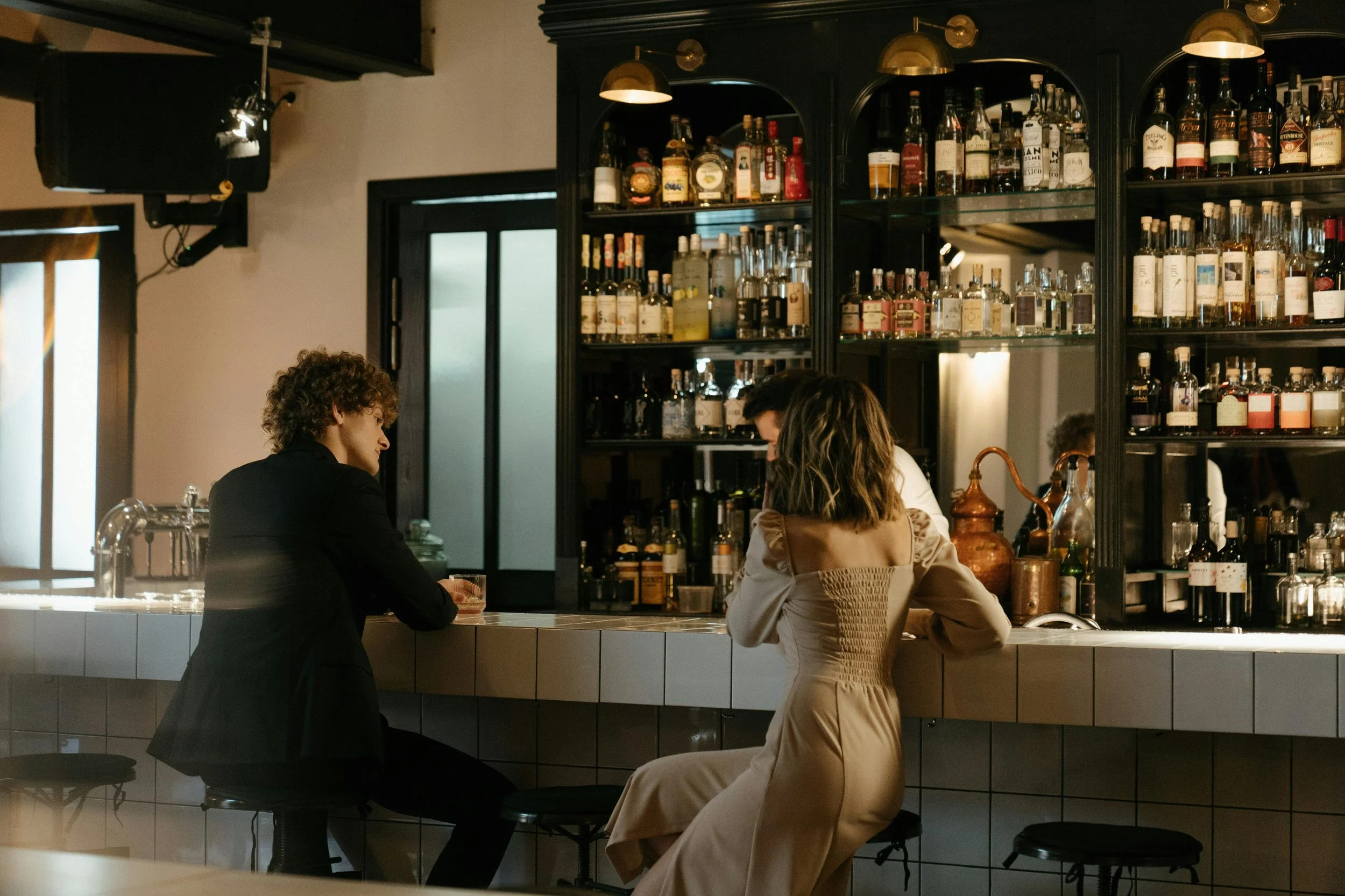
Guests are not arriving casually anymore. They are evaluating immediately.
Operators are still designing spaces for guests who walk in with time, curiosity, and flexibility. That world has changed. Dining out is no longer a default behavior. It is a considered decision. Data shows that 61% of consumers now view dining out as a “special treat” rather than a routine activity, signaling a shift from habitual visits to intentional ones. At the same time OpenTable’s 2026 Restaurant Dining Trends Report shows that 48% of diners are more likely to choose a restaurant that offers a unique or memorable experience, reinforcing that decision-making is now experience-led, not product-led.
This changes the pressure on the first impression. When guests walk into your bar, they are not exploring. They are validating a decision. They are asking, immediately, whether the experience matches the expectation they committed to before arriving. If the entry feels unclear, unstructured, or slow, that validation fails instantly. Confidence drops. And once confidence drops, everything that follows becomes harder. Lower patience, lower engagement, lower spend. Disciplined operators understand that the first 10 seconds are not a greeting moment. They are a confirmation moment.
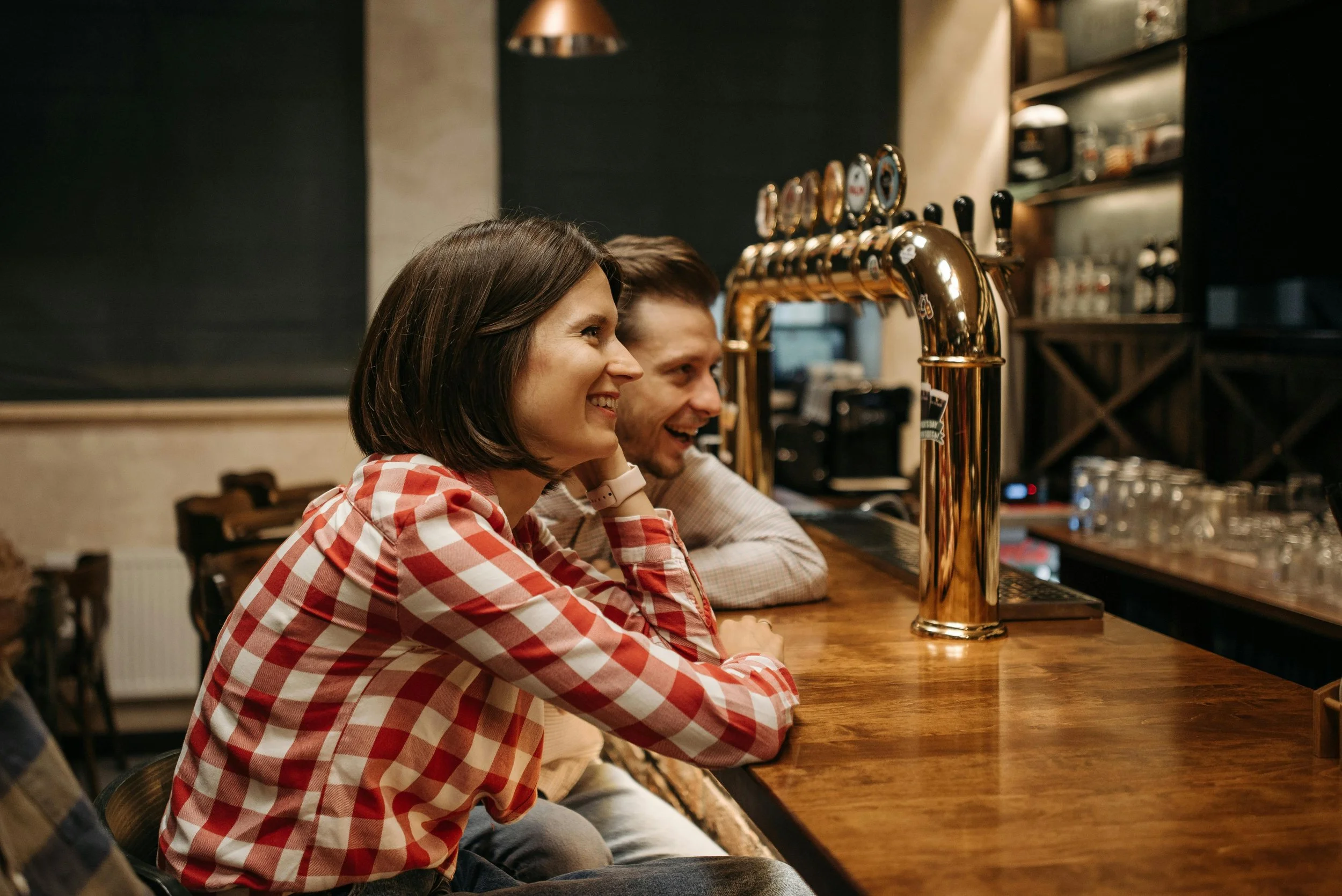
Experience is now the primary filter, not a secondary layer
Most operators still treat experience as something delivered through service or ambiance after the guest is seated. The data shows the opposite. Experience is now the filter guests use before they commit. The 2026 Dining Trends Report shows a 46% increase in demand for experiential dining year over year, indicating a measurable shift toward venues that offer more than just food and drinks.
In addition, the 2026 Restaurant Dining Trends Report shows that 54% of diners are willing to pay more for a unique dining experience, directly tying experience to revenue potential. This is where most operators misallocate their efforts. They invest in menus, pricing, and promotions to increase spend. But guests are already deciding how much they are willing to spend based on what they feel when they enter the space. If the room communicates energy, structure, and intention, the guest leans in. They stay longer, order more, and engage more deeply. If the room communicates uncertainty or low energy, the guest pulls back. They shorten their stay, limit orders, and mentally downgrade the experience before it begins. This is not branding. It is behavioral conditioning happening in real-time.
The entrance is where momentum is either built or broken
Guests do not want to think when they walk into a bar. They want immediate clarity. Data shows a 23% increase in demand for bar seating and a 26% increase in demand for counter seating, both of which are tied to visibility, energy, and immediacy of experience. This is a behavioral signal. Guests are choosing environments where they can instantly understand what is happening. Where they can see movement, access, and interaction without friction. But most bars are still designed in a way that introduces hesitation at the door. No clear entry point. No defined flow. No immediate acknowledgment. That hesitation is where momentum breaks. When a guest pauses to figure out what to do, you have already introduced friction into the experience. And friction reduces confidence. In a market where guests are already more selective and experience-driven, that drop in confidence directly impacts revenue. Shorter dwell time. Lower check averages. Reduced likelihood of return.
Clarity at the entrance is not operational polish. It is a revenue lever.
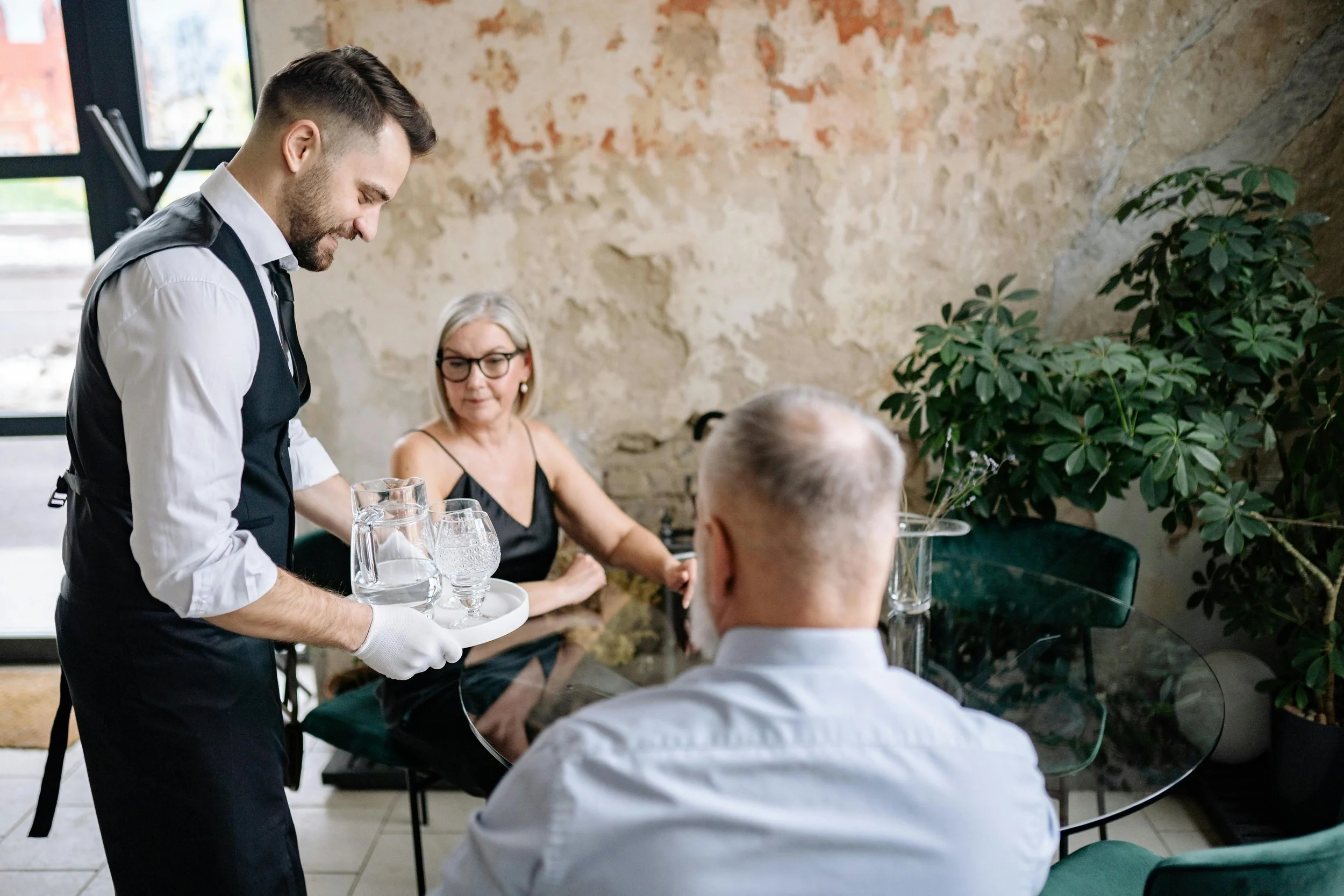
What operators can do
Engineer the first 10 seconds as a structured experience: Guests are arriving with higher expectations and less frequency. Designing a clear, immediate entry flow increases conversion from walk-in traffic to engaged, spending guests.
Make the experience visible before service begins: With a 46% increase in experiential dining demand, guests expect to feel the experience immediately. Visible energy and movement increase perceived value and willingness to spend.
:Align your space with how guests choose venues: Rising demand for bar and counter seating (+23% and +26%) shows guests prioritize access and visibility. Structuring your layout around this behavior increases engagement and dwell time.
Eliminate hesitation at the entrance: If a guest has to pause, scan, or guess, the system is unclear. Removing that friction increases confidence, which directly impacts spend and retention.
Audit your entrance against real guest behavior: With 61% of guests treating dining as a special occasion, every first impression carries more weight. Any breakdown at the door is a measurable loss in perceived value.
HoCo perspective
Operators are still trying to improve performance by refining what happens after the guest sits down. But the decision has already been made by then. Guests are choosing based on experience. They are validating that choice within seconds of entering. And they are adjusting their behavior immediately based on what they see and feel. That is where revenue direction is set.
At HoCo, we don’t leave that moment to chance. Because when the first 10 seconds are structured, everything downstream performs better. If your bar feels inconsistent, it is not a marketing problem. It is a systems gap.