Why “Quiet” Restaurants Aren’t Failing, They’re Rebuilding
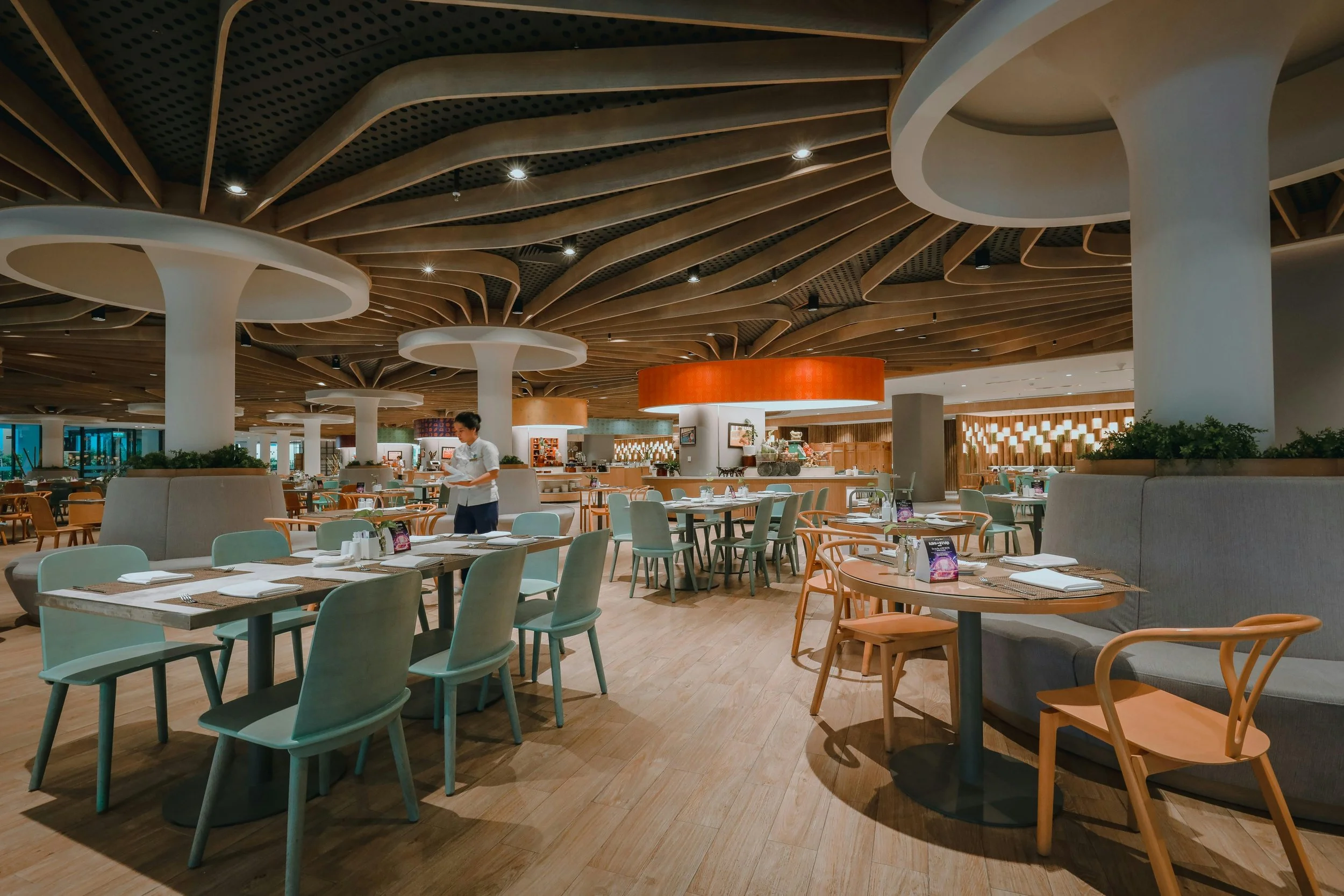
Quiet isn’t failure. It is a reset.
Every year, after the holiday rush, a curious lull settles over dining rooms. Reservations slow. Daily specials fade. Social media feeds grow quiet. For guests, it can look like a sign of trouble. For operators, that stillness might be the best thing that ever happened to their business.
Restaurants in the U.S. often see January as one of the slowest months of the year. Data shows that industry same-store sales growth dipped roughly 4.5 percent in January of 2024, marking one of the weakest monthly performances in years and highlighting the predictable slowdown after the holiday season. Traffic also declined, reflecting how holiday spending and colder weather influence guest patterns. This pattern isn’t unique to one city or type of venue, but a recurring trend across the sector. This zone of calm, often early January through late winter, is a season many successful hospitality brands approach with intention. Rather than panic at slow traffic, these teams use this period to reevaluate, realign, and rebuild, not just catch their breath but strengthen the foundation of their business.
Contrary to what it might look like from the outside, “quiet” is not synonymous with failure. It often signals a thoughtful reset where strategy replaces survival mode.
What a Quiet Season Actually Signals
Quiet periods are cooler in calendar terms, not emotional ones for operators. Holiday memories linger, decorations come down, and customer expectations shift quickly from winter feasts to routine dining. Cold weather keeps some people at home. A survey cited that many consumers plan to reduce dining out in January, driven by budget resolutions and post-holiday financial recalibration. This temporary pullback in discretionary spend naturally impacts visits to restaurants and bars. Analytics from industry groups indicate that January often sees lower visits for full-service restaurants compared with the holiday season. That’s normal, and it’s predictable.
The instinct to panic stems from a misunderstanding of how hospitality cycles actually work. Not every dip signals decline. Some dips signal opportunity to align operations with long-term goals.
For customers, the change in vibe might seem confusing. A restaurant with fewer guests can feel less lively, but the reduction in volume gives operators a chance to focus on craft, team development, menu refinement, and internal systems that will shape the rest of the year.
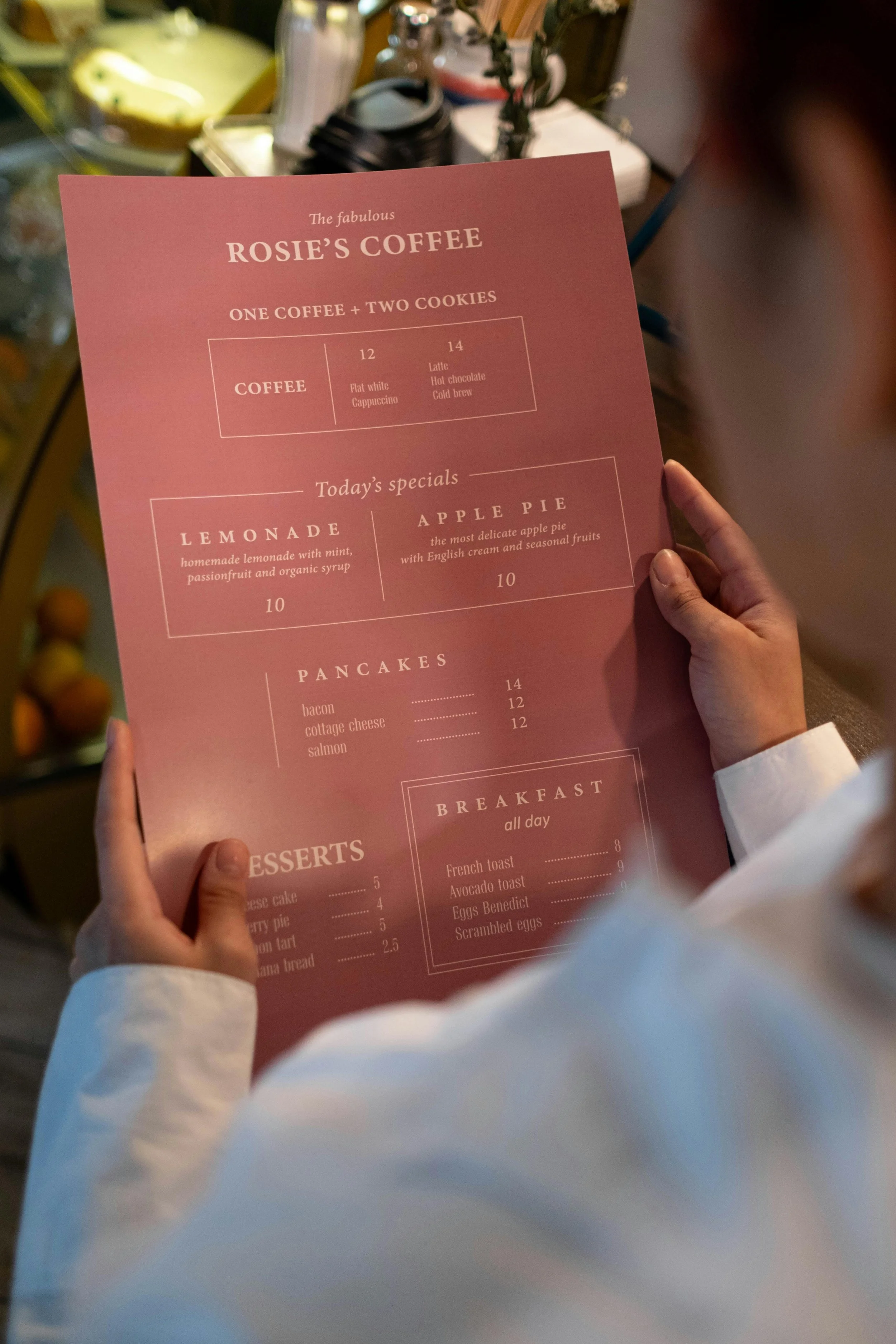
Soft relaunches, not soft experiences
Quiet is often the breeding ground for what many industry insiders call a “soft relaunch.” This is a period where new menus are tested, staff training is sharpened, and service flow is refined without the pressure of peak demand.
Seasonal menu planning plays a role here too. Establishments that thoughtfully introduce winter or early-spring menus can see meaningful engagement. Research suggests that seasonal menus can increase orders by up to 26 percent and boost check averages when executed well. This kind of work takes planning, testing, and iteration, all ideally done when the pressure of full dining rooms is lower.
Soft relaunches might include fuss-free menu trials, updated plating techniques, or new beverage concepts introduced subtly instead of debuting with fanfare. Operators who use slow weeks for meaningful iterating often see better launch outcomes when traffic picks up.
Research from hospitality consultants shows that businesses that plan structured resets during slow seasons outperform those that wait for “busy again” to make changes. A thoughtful relaunch includes:
• Staff refreshers and deep training
• Menu rebalancing based on cost and guest insights
• Service standard audits that strengthen consistency
• Digital presence realignment to reflect updated direction
January and Q1 are also prime for rethinking guest experience. Operators have time to retrain staff on service standards, deepen product knowledge, and build tighter team communication. This human capital work pays dividends when busier months return.
When these pieces align, restaurants return to busier periods not just open, but prepared.
Why controversy exists
The idea of intentional slow seasons gets pushback. Some guests perceive quiet as a sign a restaurant is losing relevance. Some staff see shifts or soft openings as preparatory work where they still must perform without celebration. Others in the industry argue that quiet operations risk losing momentum and mindshare.
These concerns are valid because they reflect real pressures. Yet, they often miss the context of intentional rebuilding.
Guests and operators alike benefit when hospitality spaces use this downtime to get stronger, not just rest. Transparency with customers about what the brand is working on builds trust. When staff are included in the process, the culture strengthens and retention improves. Momentum does not disappear just because noise is lower.
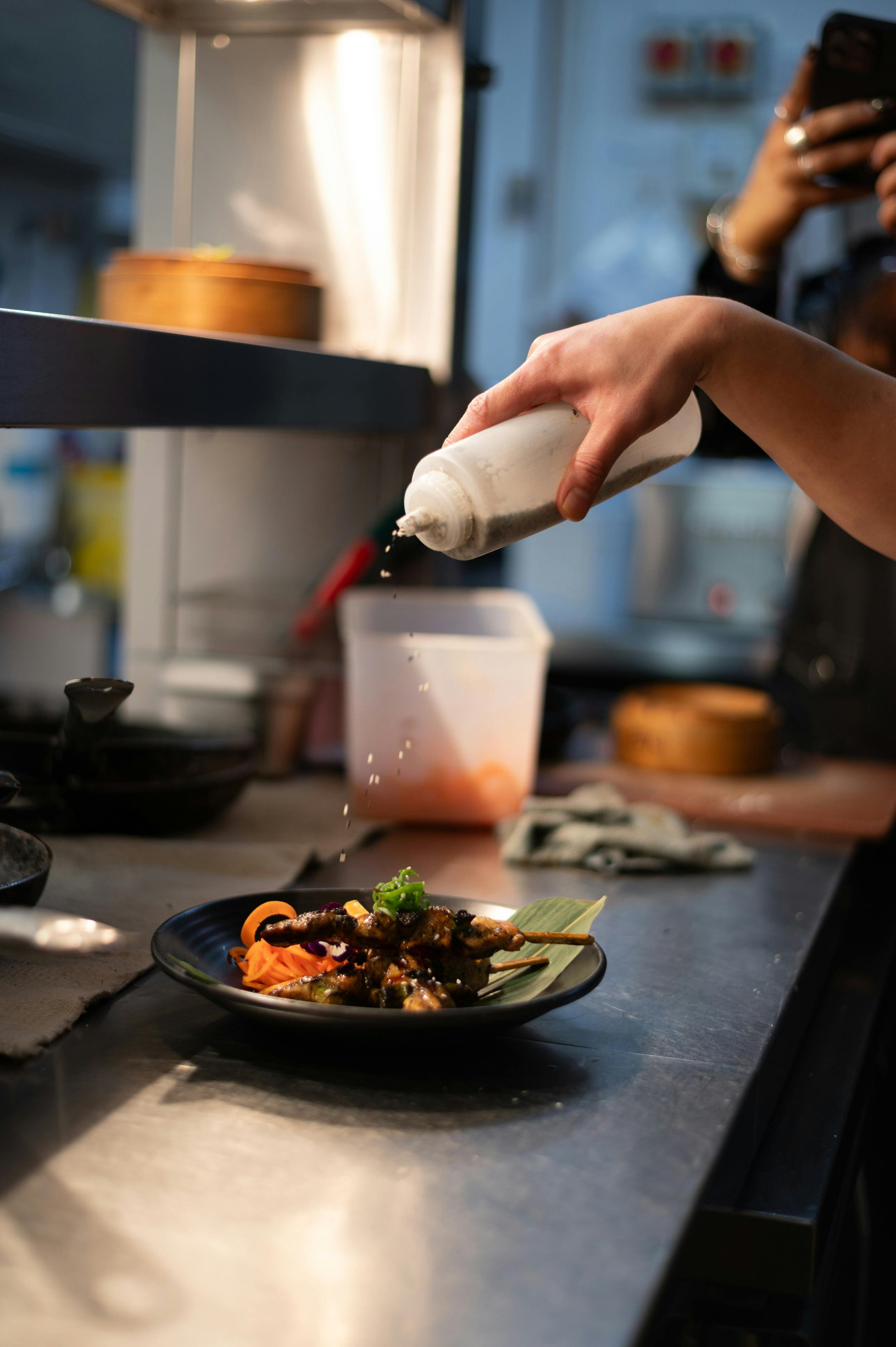
What intentional rebuilding looks like
A thoughtful reset is not random. It’s strategic.
Operators who succeed during quiet months create measurable goals. These can be as simple as hitting a certain number of social interactions per week, training hours for staff, or cost targets for inventory shrinkage. Measurable goals keep energy up and prevent quiet from feeling directionless.
One common theme among hospitality brands that thrive through quiet seasons is planning. These teams do not use slow months as rest months. They use them as planning months.
Planning might include:
• Renewed marketing calendars
• Updated content strategies
• Customer feedback implementation
• Staff development workshops
• Soft testing of new offerings
• Local partnerships or events
And because these actions are strategic, they become part of a long-term growth trajectory, not just filler work until traffic picks up again.
What “quiet” means for guests
From a consumer perspective, quieter seasons can deliver better experiences. Staff have more time to connect with guests, menus often feel more thoughtful, and teams can deliver greater consistency. Diners benefit when operators use this time to refine the craft rather than cut corners waiting for volume.
Guests also play a role in hospitality’s cycle. Understanding that a quieter restaurant in January is not necessarily a lesser one creates empathy and builds stronger local support. When guests see restaurants as ongoing community partners rather than just weekend destinations, the relationship deepens.
Marketing, content, and presence — elements too often paused
A common challenge during quiet periods is the drop in content and visibility. Many operators subconsciously plan their content calendars around peak seasons, then lose traction when traffic slows. This mirrors an older era of hospitality marketing, one that assumed digital audiences would automatically stay engaged.
The reality today is different. Guests discover venues online long before they walk in. Short-form video, social storytelling, and deliberate content strategy drive awareness year-round. When restaurants slow their posting cadence, visibility often drops faster than foot traffic, which fuels a perception of decline even when none exists.
Smarter content systems treat quiet months not as silence periods but as opportunities for long-form storytelling, behind-the-scenes insights, team highlights, and soft relaunch narratives. These content choices build identity and anticipation before momentum returns.
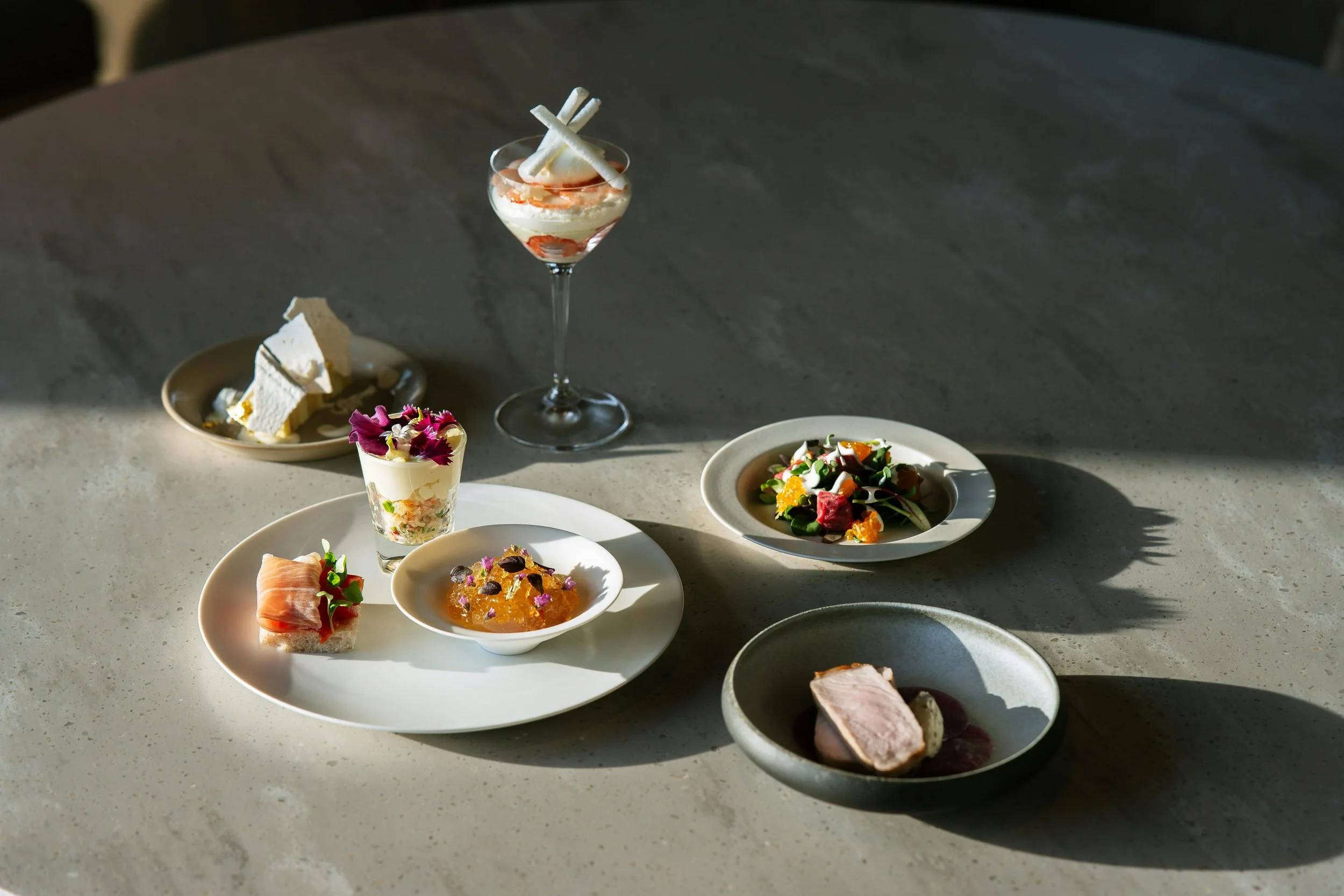
How HoCo Helps Hospitality Brands Rebuild
This is precisely where HoCo’s new service structure supports operators.
Rather than leaving hospitality teams to figure out strategy, content, and communication alone, HoCo partners with brands to build systems that turn quiet months into strategic advantage. This includes:
• Strategic marketing roadmaps tailored to each brand
• Consistent content creation and posting across social platforms
• Community engagement that keeps guests connected
• Analytics that measure what works and where opportunities lie
• PR support that expands reach beyond the immediate market
HoCo’s approach is designed so hospitality businesses don’t just survive slow periods, they build momentum for what comes next. Quiet seasons become foundational months where narrative, systems, and community grow stronger — not moments to be endured.
Quiet periods in hospitality are misunderstood. They are not absence of success but a chance to step back, get sharper, and build forward. Restaurants that embrace this truth often come out ahead, with clearer strategy, stronger teams, and more meaningful engagement with guests.
Guests are part of this cycle too. Supporting local restaurants outside peak seasons and engaging with their stories nurtures the community hospitality ecosystem.
Rebuilding starts in the quiet. HoCo walks alongside hospitality brands ready to make strategic progress at every moment — even when tables are emptier and frames are slower.