Content Burnout Is Real: Why Hospitality Teams Struggle to Show Up Online in Winter
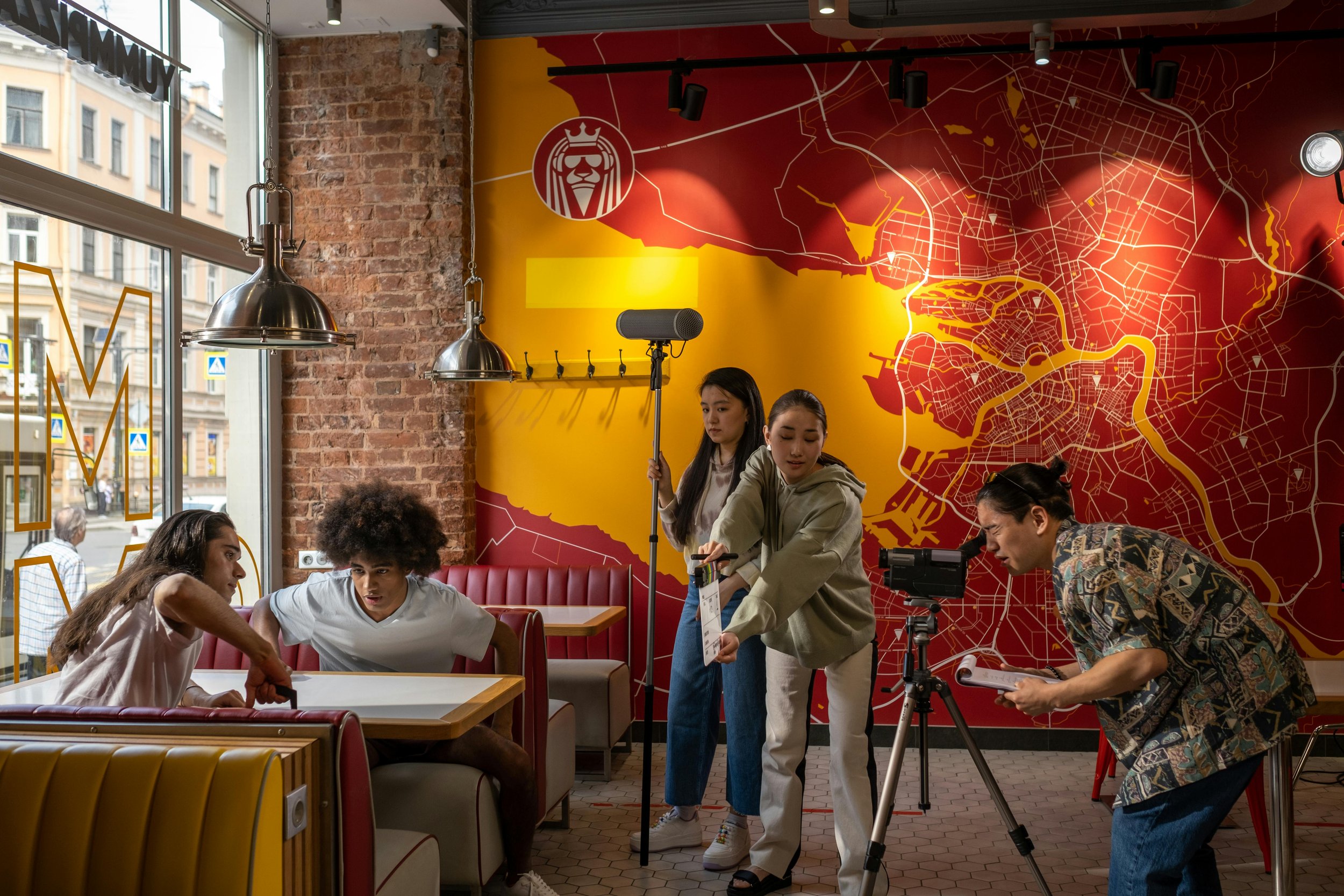
Most restaurants and bars feel the first chill of January long before outdoor temperatures drop. Dining rooms are thin, reservations are slow, and teams that posted prolifically in October and December suddenly go quiet online. An empty content calendar becomes one of the first visible signs of seasonal burnout.
This is not a matter of discipline. It is a matter of resource limits colliding with seasonal realities.
Winter represents an honesty test for hospitality marketing. Holiday momentum disappears, staffing tightens, and the daily operational grind resumes. Guests notice inactive feeds and fewer stories. Operators feel the pressure of juggling service, staffing, and visibility when energy levels aren’t at their peak. The result is content burnout, a real phenomenon with real consequences for brand presence and guest expectations.
Understanding why this happens and how to address it is becoming increasingly vital for restaurants that want to stay relevant year-round.
Why Content Drops Off After the Holidays
Holiday seasons naturally generate content. Reservations surge, menus expand, and energetic nights produce visual material on their own. But once January arrives, that momentum fades. Platforms that reward frequent posting suddenly reward silence.
OpenTable’s 2026 Dining Trends Report reveals that January still draws diners for social occasions, with 58% of Americans planning to dine out for social plans in January 2026 and 51% saying they would do so if promotions or loyalty points made it appealing.
Even with this continued interest, the rhythm of service changes. Mondays and Tuesdays in January and February were among the slowest days in 2024 according to reservation data analyzed by Resy, and the first three weeks of January were particularly quiet overall.
Hospitality teams experience this shift as a drop in organic content moments. Without packed dining rooms and busy events, there are fewer new visuals to share. At the same time, staff are exhausted after the holiday surge and are still managing operational realities, leaving little capacity for storytelling.

The Operational Pressures Behind Content Fatigue
A smaller staff affects content output. The National Restaurant Association and industry surveys often highlight that operators are juggling labor shortages, cost pressures, and guest demand simultaneously. January deepens this tension because it forces teams to reset scheduling, manage inventory, and address profitability goals without the buoy of increased holiday spending. A Toast 2025 Voice of the Restaurant Industry Survey found that improving profitability is a top priority for about 40% of operators, suggesting that the post-holiday season pushes businesses to focus inward.
When the team’s priority becomes stabilizing operations, content creation can feel like a luxury rather than a necessity, even though it remains crucial for visibility.
Controversies Around Winter Content Expectations
There is a tension between guests’ expectations and operational realities. Some diners still expect regular updates from their favorite local spots, while others interpret a quiet feed as a sign of decline or instability. At the same time, some brands choose to step back during winter intentionally to regroup, refine menus, or focus on training staff rather than posting daily reels.
Critics argue that reducing content can harm visibility in an age where social platforms heavily influence guest discovery and decision making. Industry research shows that restaurants with consistent social strategies see measurable revenue benefits: B2C revenue linked to social media strategies increased on average 9.9%, and brands with robust social-first approaches saw an even higher 14.1% boost.
This suggests that silence during quieter months can come at a cost if not paired with a thoughtful strategy. The controversy comes down to how brands balance presence with internal demands, a real challenge for teams operating with limited bandwidth.
Why Content Still Matters in Winter
Content during slower months does not have to be frequent or flashy. It can be quieter, more intentional, and still keep the brand front of mind. OpenTable data indicates that dining remains social in January: 62% of Americans are likely to take advantage of good availability at popular restaurants during slower months, and diners are more inclined toward weekly specials and value-oriented visits.
This offers a content opportunity. Sharing behind-the-scenes updates, intros to team members, menu prep during quieter shifts, and limited-time specials can engage guests even when covers are lighter.
And there is emerging evidence that guests respond to authenticity over constant promotional posts. A Guardian article noted that some restaurants that shifted to more genuine storytelling and unique content formats saw meaningful engagement, while others that tried to force content risked looking disconnected from their core identity.

What Smarter Content Systems Look Like
Smarter content systems recognize that winter is not a blank period to skip posting. Instead, it is a season to work with content differently, with structure, not spontaneity.
A few strategies include:
• Batch content creation during busier months like December, so winter feeds have material ready to post.
• Repeatable formats like staff spotlights, community features, and process videos that don’t require heavy production.
• Scheduled storytelling tied to regular rhythms (e.g., “Meet the Team Mondays”) to reduce pressure on daily novelty.
• Guest-centered bite-sized posts, like Q&A with chefs or favorite winter menu items.
These systems relieve the emotional labor associated with producing content and create consistency that builds visibility even in slower dining periods.
What This Means for Guests
From a guest perspective, winter content can feel warm, welcoming, and informative. When restaurants show their personality through team stories, kitchen prep, and thoughtful posts, they create a connection even in leaner traffic months. This kind of content builds community, making guests feel part of the journey rather than observers of a performance.
Consistent, sincere content boosts comfort and trust, which feeds back into reservations and advocacy.

What This Means for Operators
For business leaders, winter content strategy should be treated as part of operations, not an afterthought. Consistent posting, even if less frequent, sustains visibility during slower months, supports brand recognition, and maintains audience engagement leading into busier seasons like Valentine’s Day and spring.
A thoughtful plan protects against disappearing from guest view and losing hard-earned recognition built during busier months. Fewer posts with stronger signals beat frequent posts without strategy.
How HoCo Helps Hospitality Teams With Winter Content
Winter content burnout highlights a broader industry need: hospitality teams require systems that support visibility without draining internal resources.
Hospitality Coalition’s new service structure focuses on building smarter content systems that last. We help hospitality brands build repeatable content frameworks, plan batch shoots, map out social calendars, and engage authentic audiences across platforms without overworking staff or sacrificing operational focus.
HoCo’s approach blends strategy with execution, combining content leadership, creative production, community engagement, and analytics so brands stay visible even in slower months. This support fills the gap between guest expectations for online presence and internal capacity, ensuring hospitality teams can show up boldly, consistently, and meaningfully throughout the year.
Quiet seasons don’t have to mean silence. With intention, systems, and support, content becomes a tool for connection, not burnout.