The Regular Customer Is Not Dead. But the Conditions That Created Them Are.
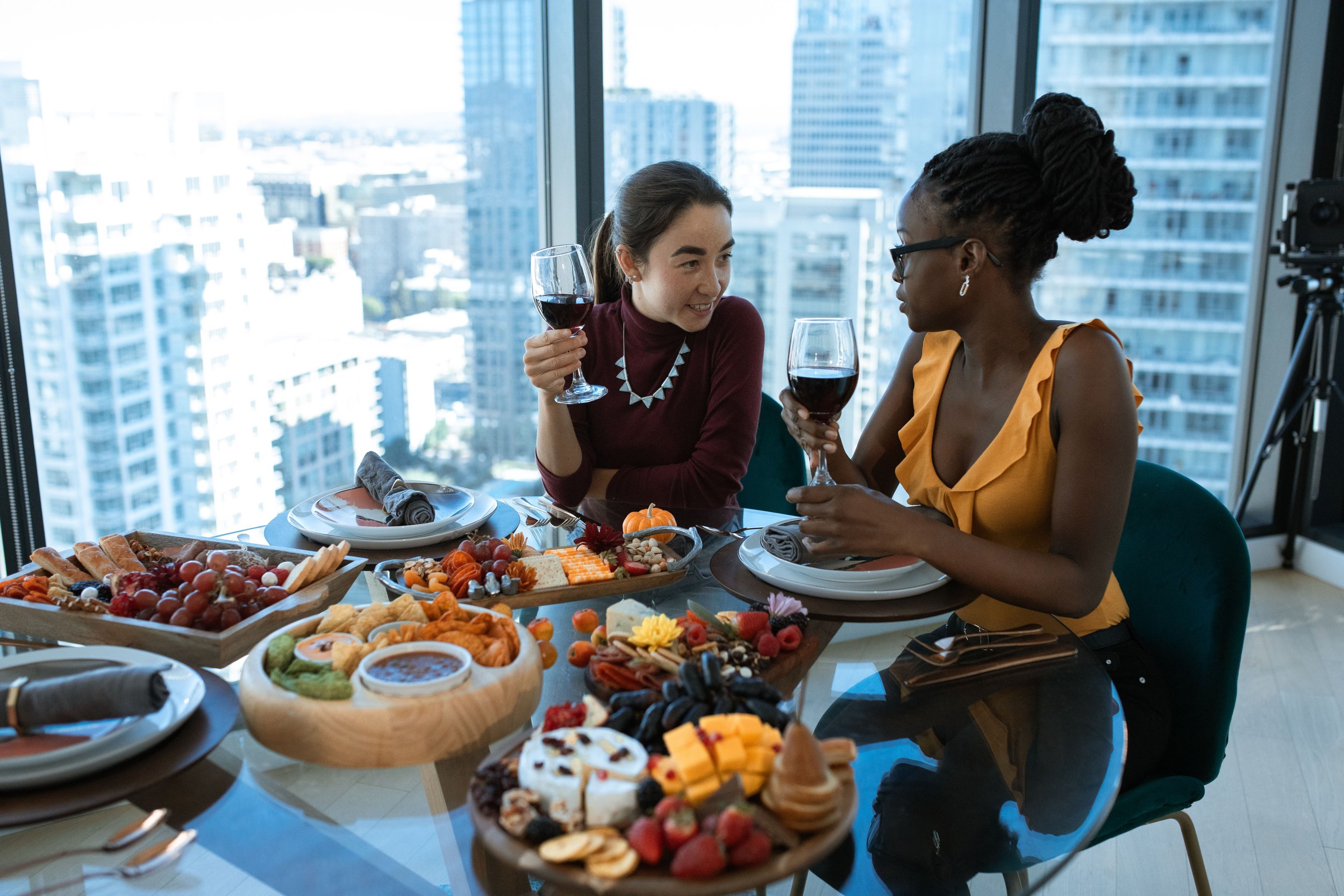
The regular customer is one of the most valuable assets in hospitality and one of the most misunderstood. Most operators know they want more of them. Fewer have built the systems to produce them deliberately, because for a long time the conditions of the industry produced them automatically. Those conditions have changed, and the operators who have not changed with them are losing guests they do not even know they are losing.
The data on what regulars are worth is striking enough to build an entire strategy around. Just 7% of guests, defined as multi-visit diners, account for as much as 50% of a restaurant's total order volume, according to combined Toast and Resy data from Q1 2026. That 7% dines out 52% more frequently at their regular spots than non-regulars. They book in advance rather than walking in. They tip better. They spend more per visit. And according to Resy data spanning two years through December 2025, they average 8.30 reservations at 1.45 restaurants compared to non-regulars averaging 5.45 visits spread across 2.4 restaurants. The regular is not just a loyal guest. They are a concentrated revenue asset whose behavior is measurably different from every other guest type in the building.
The problem is that this asset is eroding. 45% of diners changed their favorite restaurant in the past year, up sharply from roughly one third in 2025, according to Tillster's 2026 Phygital Index Report. 78.8% of restaurant guests do not return after their first visit, and 69% of all restaurant guests remain one-time visitors who never come back regardless of the quality of their initial experience. The conditions that once produced regulars organically, limited options, habit, proximity, neighborhood identity, are being systematically disrupted by discovery platforms, delivery apps, and a guest who has more reasons than ever to try somewhere new rather than return somewhere familiar.
The loyalty program data complicates the picture further. Restaurant loyalty program investment has increased across the industry, but 28% of loyalty program members expressed dissatisfaction with the programs they belong to in 2026, up from 15% in 2025. Investment in loyalty infrastructure is growing while satisfaction with it is declining. The programs are not failing because the concept is wrong. They are failing because most of them are delivering points and discounts rather than the thing the data says guests actually want: to be recognized, remembered, and made to feel known.
What this means for operators
The slow fade is the most expensive thing happening in your business that you are not measuring.
The regular who stops coming back almost never does it dramatically. Among surveyed diners who stopped visiting a restaurant they once loved, 43% cited gradual regression rather than a single bad night, according to Toast's regular customer report. The specific culprits: a decline in food quality at 31%, rising prices at 22%, and a drop in service warmth at 15%. The regular who used to come in twice a week and now comes in once is telling the operator something, even when they never say a word. That signal is almost always visible in the data before it becomes visible in the revenue, but only to the operator who is measuring visit frequency rather than total covers.
Loyalty rarely ends with a blow-up. It ends with a slow fade. The regular does not leave. They just stop coming back quite as often, until one day they are not coming back at all.
The most significant finding in the Toast and Resy regular customer data is what actually drives retention when operators intervene. Moving a guest into a loyalty program shifts their return rate from a 7% baseline to nearly 30%, a 4x improvement in return likelihood. Loyalty traffic grew 5% in 2024 while overall restaurant traffic declined 2%, and one major QSR reported that loyalty members increased their visit frequency by 12% after joining its program. The infrastructure works when it is built correctly. The operators failing with loyalty programs are almost always the ones delivering generic rewards rather than the personalized recognition the data consistently shows guests actually want. 48% of guests said being remembered by staff, a name, a usual order, a preference, is what makes them feel most valued at a restaurant. That is not a loyalty program feature. That is a culture the operator builds.
What operators should do
Track visit frequency as a primary metric, not total covers
Total covers tell an operator how many people came in. Visit frequency tells them whether the people who came in are becoming regulars or churning after one or two visits. The distinction is the difference between knowing the business is busy and knowing whether it is building. An operation that runs 200 covers on a Saturday without knowing how many of those are first-time versus returning guests has no meaningful data on whether it is producing regulars or simply processing traffic. An operator who uses their POS and reservation system to segment guests by visit count, identifying the cohort who have visited two or three times but not yet crossed into regular behavior, has located the highest-value intervention point in the business. A guest on their third visit is closer to becoming a regular than at any other moment. A personalized communication or a floor team acknowledgment at that exact visit point converts at a measurably higher rate than a generic loyalty enrollment offer sent to the full guest database.
Build recognition into operations, not just loyalty programs
The most powerful retention mechanism in the data is also the simplest and the least systematized: staff remembering who guests are. A loyalty app that sends automated birthday messages and point updates is not delivering the thing 48% of guests identified as what makes them feel most valued. A floor team that knows a regular's usual order, greets them by name, and notices when they have not been in for two weeks and follows up, is delivering exactly that. Recognition is a culture decision before it is a technology decision. Building a brief pre-service briefing into every shift where the floor team is told which regulars are booked that night, what they typically order, and any relevant notes from their last visit, costs nothing beyond the three minutes it takes to run it. The regular who arrives and is greeted with a reference to something from their last visit has experienced something a loyalty app cannot replicate and a competitor without the same floor culture cannot easily steal.
Intervene before the slow fade becomes a departure
The guest who visits weekly for three months and then stops for two weeks has not left yet. They are in the slow fade. That moment is the highest-leverage intervention point available, and most operators miss it entirely because they are not measuring visit cadence at the individual guest level. A simple, well-timed outreach, a personalized message noting that it has been a while, or a specific invitation to an upcoming event, lands differently at that moment than any generic marketing communication and produces return visits at significantly higher rates. An operator who sets up an automated trigger through their loyalty or CRM system to flag guests whose visit frequency has dropped below their personal baseline, and sends a personalized note within two weeks of that flag, is intervening in the slow fade before it becomes a permanent departure. The guest who receives that message and returns has been retained at the cost of one message. The one who does not receive it and continues to fade away represents a revenue loss the operator never registered because there was no single bad night to trace it to.
Design the loyalty program around recognition, not just rewards
Points and discounts are the default loyalty mechanic because they are easy to build and easy to explain. They are also the mechanic that 28% of members now say they are dissatisfied with. The loyalty programs producing the strongest retention outcomes are the ones that use the data they collect to personalize the experience rather than to reward generic visit behavior. Knowing what a guest orders and surfacing a relevant offer at the right moment produces a meaningfully different response from the guest who receives the same 10% off coupon as everyone else in the database. A loyalty program that identifies a guest who always orders the seasonal cocktail and sends a personalized message the week a new seasonal menu drops, noting specifically that there is something new they might like, is using loyalty data to deliver the experience the guest actually wants rather than a generic retention incentive. That message costs the same to send as a blanket promotion. Its conversion rate is not the same.
Compete on the experience that keeps regulars, not just the offer that acquires guests
The most common reason guests changed their favorite restaurant in 2026 was better food at 46% and better value at 40%. Both of those are acquirable advantages that a competitor can match or exceed. The reasons guests stay as regulars are harder to replicate: staff who know them, an experience that feels designed for them specifically, and a sense that the place has tracked their preferences and responded to them. Those are operational culture advantages that do not appear in a marketing budget and cannot be copied by a competitor who has not built the same floor culture. A bar that loses a regular to a competitor with a more interesting new menu has lost a guest on a product advantage. A bar that loses a regular because nobody noticed they had not been in for three weeks has lost a guest on a culture failure. The first is recoverable through product development. The second is recoverable only through the kind of attentiveness that the regular was specifically coming back for and stopped finding.
What this means for consumers
The places worth being a regular at are worth the effort of being one.
The economics of being a regular are almost entirely in the guest's favor. Regulars receive more personalized service, better table placement, staff who know their preferences, and the kind of attentiveness that new guests rarely receive on a first visit. The restaurant that treats a regular differently from a walk-in is not playing favorites. It is responding rationally to the investment the regular has made in the relationship, and the return on that investment accumulates over time in ways that a series of first visits at different restaurants never produces.
The shift in guest behavior toward exploration, trying new restaurants, following discovery platforms, chasing the next opening, is producing a real cost that most guests have not accounted for. Every first visit is a gamble. Every regular relationship is a compounding return. The guest who spreads their dining across 12 different restaurants in a year is buying variety. The one who concentrates it across 3 to 4 places is buying familiarity, attentiveness, and the kind of accumulated knowledge a well-run restaurant builds about the guests who trust it with their time and money. Both choices are valid. The second one is significantly undervalued by the current discovery culture.
Consumer behavior also shapes what operations survive. Restaurants lose an estimated $375,380 annually per location to preventable guest churn. The guest who becomes a regular at an operation they genuinely value is funding the consistency, the staffing stability, and the quality investment that makes the place worth returning to. The guest who visits once and moves on to the next recommendation is consuming that investment without contributing to the conditions that sustain it. Neither behavior is wrong. But the first one produces better restaurants over time, and that eventually benefits everyone who eats in them.
What consumers can do
Choose depth over breadth with the places that earn it
Trying new restaurants is one of the genuine pleasures of living in a city with a healthy dining scene. It is also, at a certain frequency, a habit that prevents the kind of relationship with a place that produces the best experiences hospitality has to offer. Choosing to return to three or four places consistently, while continuing to explore, builds the guest-side of the relationship that the best operators are trying to create from their side. The experience of being known somewhere is not available on a first visit. Making a neighborhood bar or restaurant a genuine weekly regular for three months, rather than treating it as one option among twenty, produces a qualitatively different experience by the end of that period. The staff knows the usual order. The service cadence adjusts to the table's preferences. The experience compounds in a way that the twelfth first visit at twelve different places does not. Both choices fill the calendar. Only one builds something.
Signal your regularity to the operations you return to
Many guests who return to the same restaurant several times never signal their return behavior in a way the operation can act on. Making a reservation rather than walking in, introducing yourself to the bar team, enrolling in a loyalty program, or simply mentioning to a server that this is a regular spot, gives the operation the information it needs to respond to the relationship rather than treating each visit as a first one. The regular who is invisible to the operation does not receive the benefits of being one. Telling a bartender on a third visit that this has become a regular spot, and mentioning what brought the guest back specifically, is a thirty-second investment that produces a qualitatively different relationship from the one that exists when the guest is indistinguishable from any other walk-in. Most operators want to build that relationship. The guest who signals the intention to be a regular makes it significantly easier for the operation to respond accordingly.
Notice the slow decline before writing off a place you once loved
The slow fade happens on both sides. A guest who unconsciously reduces their visit frequency in response to a minor quality decline without articulating it to the operator is doing the operation a disservice and themselves one too. The feedback that names what changed, shared with the manager rather than posted anonymously online, gives the operation a chance to address the drift before it becomes a departure. The regular who holds their favorite places to a higher standard and says so directly is the kind of guest that makes operations better, not just for themselves but for everyone who comes after them. Noticing that the cocktail that used to be excellent has been inconsistent over the last three visits, and mentioning it to the bartender or manager with the specific observation rather than quietly reducing visit frequency, produces an outcome that the silent fade never does. The operation learns something specific. The guest gives the relationship a chance to recover. And the quality standard that made the place worth returning to in the first place has a better chance of being maintained.
Recognize the compounding value of being known somewhere
The best hospitality experiences are not random. They are the product of accumulated knowledge, staff who know their guests, operators who have learned what works, and a relationship that deepens over time. That accumulation is only available to the guest who comes back often enough for it to form. The guest who is always trying somewhere new is always starting from zero. The one who returns consistently is building toward something that cannot be discovered on a first visit, recommended by an algorithm, or reproduced elsewhere with the same efficiency. The table where the bartender knows the usual order, the server remembers the preferred pacing, and the kitchen occasionally sends out something new because they know the guest is adventurous, is not available to a first-time visitor. It is the product of a relationship built over months of consistent visits, mutual attention, and the kind of trust that accumulates when both sides show up reliably. It is also, for most people who have experienced it, the best kind of hospitality there is.
The regular customer is not disappearing. But the conditions that produced them automatically no longer exist. Building them deliberately requires the right retention systems, the right recognition culture, and the right measurement to know who is fading before they are gone. HoCo works with operators to build exactly that infrastructure, turning first-time guests into second-time guests and second-time guests into the 7% who account for half the business.
Sources
1. Toast / Resy / Retail Brew — Half of Restaurants' Orders Come from Just 7% of Guests: Regular visit frequency, booking behavior, and spending data
3. Tillster 2026 Phygital Index Report — Restaurant Customer Retention: 45% of diners changed their favorite restaurant in 2026; loyalty dissatisfaction data
4. Incentivio / Bloom Intelligence — Restaurant Guest Churn: 78.8% annual churn rate; 69% of guests never return after first visit
5. Bloom Intelligence — State of Restaurant Guest Retention 2025: $375,380 annual per-location cost of preventable churn
6. Restaurant Dive / Toast — Why Restaurant Regulars Stop Coming Back: 43% slow fade vs single bad night; 48% value being remembered by staff
7. Restaurant Dive — Loyalty Programs and Frequency: Loyalty traffic grew 5% while overall traffic declined 2%; 12% visit frequency lift data
8. Verdict Foodservice — Restaurant Loyalty Falls as Diners Prioritise Experience: Tillster 2026 findings on loyalty dissatisfaction and experience-driven switching