Instagram is not your marketing strategy. Why posting content isn't the same as building demand.
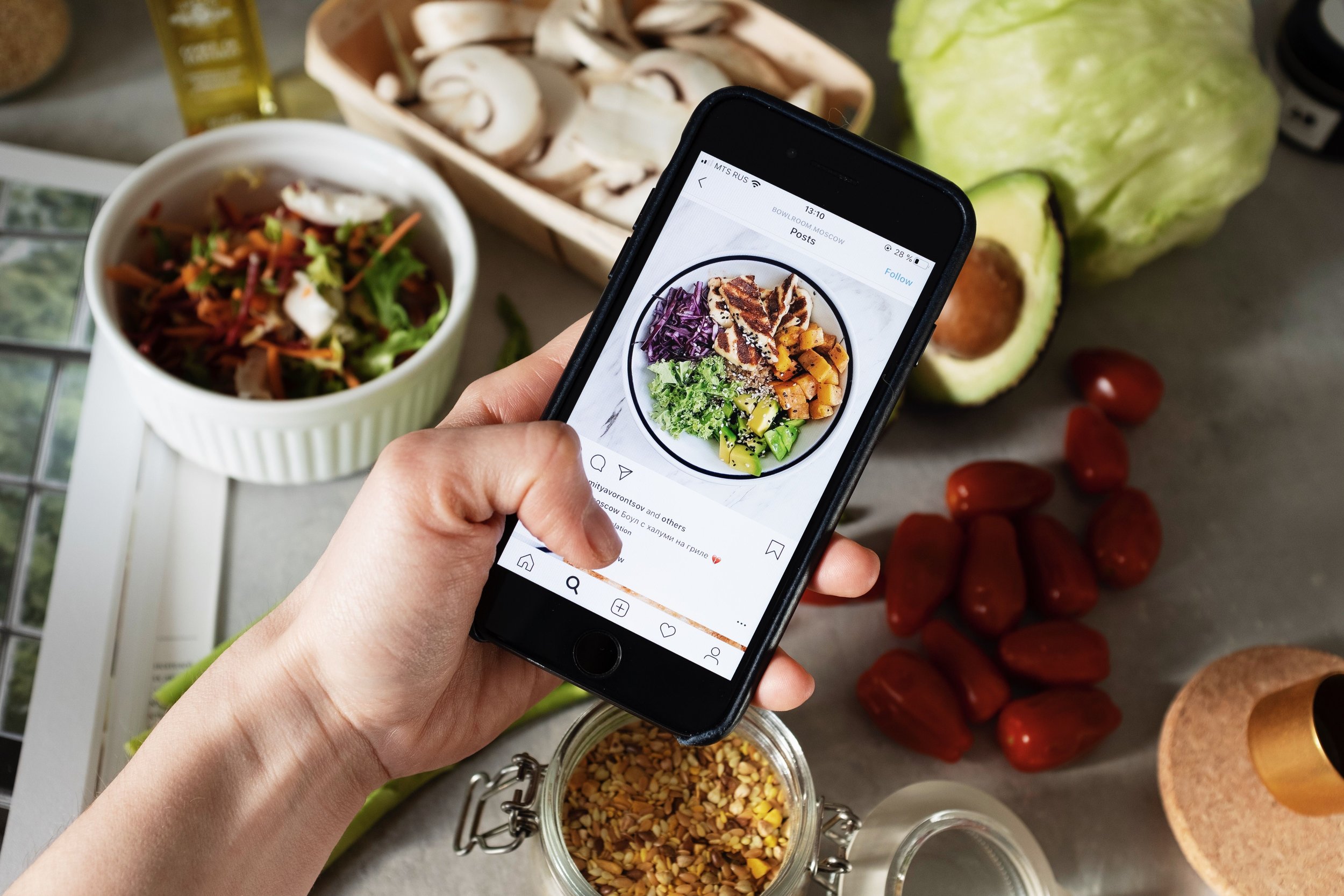
Instagram is a tool. A powerful one, with genuine influence over where guests choose to eat and drink. But a tool used without a system is just activity, and activity is not strategy. The operators treating Instagram as their primary marketing engine are building on a platform that has systematically reduced its value to them while they were busy posting.
The case for Instagram in hospitality marketing is real. 74% of people now use social media to decide where to eat, and 68% check a restaurant's social media presence before deciding to visit. A strong presence on Instagram is not optional for a hospitality operation that wants to be discoverable. The argument here is not that Instagram does not matter. The argument is that most operators have built their entire marketing architecture around a channel whose mechanics are working against them, and the data on what has happened to organic reach makes that problem impossible to ignore.
Instagram's organic reach fell to 2 to 3% for business accounts by mid-2025, down from 10 to 15% in 2020. That is a decline of more than 75% in five years. If an operation has built a following of 10,000 people through consistent posting over three years, fewer than 300 of them will see any given post today. More than 96% of a brand's audience may never see an organic post unless the brand pays to promote it, according to 2026 analysis of 31 million brand posts. The platform has not become less useful for hospitality marketing. It has become a paid channel that most operators are still treating as a free one, and the gap between what they are investing in content creation and what that content is actually delivering is where the strategic failure lives.
87% of businesses report significant reach decline over the past 18 months, according to Sprout Social's 2025 Instagram statistics. The operators responding to this by posting more are compounding the problem. Posting more content to a channel with 2% reach produces more content that reaches 2% of followers. It does not recover reach. It increases the labor cost of a diminishing return. The restaurants and bars winning in this environment are not the ones posting more. They are the ones who have rebuilt their marketing architecture around channels and mechanisms that actually convert attention into covers.
What this means for operators
Instagram is a visibility tool. Visibility is not the same as demand.
The distinction between visibility and demand is the strategic center of this argument. Visibility means a potential guest has seen your content. Demand means they have made a decision to visit. Instagram creates the former reliably. It creates the latter inconsistently, and the gap between the two is where most hospitality marketing budgets go to die. An operator who is investing 10 hours per week in content creation and seeing 300 of 10,000 followers per post is not running a marketing strategy. They are running a content production operation with no distribution system attached to it.
Social media marketing that actually converts does not measure likes or follower counts. It measures the path from post to reservation, from content to cover, from visibility to demand.
The operators outperforming their market in 2025 are the ones who have built omnichannel marketing systems where Instagram is one input rather than the entire engine. Omnichannel strategies are the only way to maintain visibility, drive measurable ROI, and win loyalty in a crowded, tech-driven market, according to Kard's 2025 restaurant marketing analysis. That means Google Business Profile optimization driving local search intent, email marketing building a direct relationship with guests who have already opted in, loyalty programs creating the retention engine that social media alone cannot produce, and Instagram functioning as the top-of-funnel brand signal it is actually good at being, not the full-stack marketing system it is being asked to replace.
The content quality question is equally important and equally misunderstood. A 2025 study confirms that stronger social media brand engagement directly increases the intention to visit a restaurant, which means Instagram is not irrelevant. It means that what operators post, and how it performs in terms of genuine engagement rather than passive impressions, still moves the needle on guest behavior. The operators who treat Instagram as a brand signal, posting with intention, specificity, and genuine story rather than filling a content calendar, tend to see stronger engagement even at lower reach rates. Quality engagement on a small following converts better than passive impressions on a large one.
What operators should do
Audit your marketing time against actual revenue outcomes, not engagement metrics
Likes, follows, and impressions are not business outcomes. The audit worth running is not how many posts generated strong engagement but how many posts generated a measurable downstream behavior: a reservation inquiry, a profile visit that converted to a booking, a direct message that led to a cover. Without that connection, the time investment in content creation is unmeasured, which means it is unmeasured even when it is not working.
Tracking UTM parameters on Instagram bio links, monitoring reservation source data in the booking system, and asking new guests directly how they heard about the operation produces the specific data needed to evaluate whether Instagram is earning its time investment. The operator who finds that 60% of new guest discovery is coming from Google search and 8% from Instagram has a very different strategic brief from the one spending 80% of their marketing time on content creation.
Build an email list as the primary direct marketing asset, not a secondary one
An email list is the only marketing channel an operator owns outright. Instagram followers belong to Instagram. The algorithm decides whether they see the content. An email subscriber has opted into a direct relationship that no platform change can interrupt. Email marketing integration with loyalty data creates a retention engine that outperforms the one-size-fits-all approach of social platforms, and it reaches 100% of subscribers rather than 2 to 3%.
Collecting email addresses through the reservation system, a loyalty enrollment at the point of sale, or a sign-up incentive on the Instagram bio, then sending a monthly update about new menu items, upcoming events, and seasonal changes, produces a direct communication channel that delivers the marketing message the Instagram algorithm is throttling. The operator with 2,000 email subscribers and a 35% open rate is reaching 700 people directly with every send. The one with 10,000 Instagram followers and 2% organic reach is reaching the same number through a channel that costs significantly more time to maintain.
Optimize Google Business Profile as a primary discovery channel, not an afterthought
Google Business Profile optimization, local keyword targeting, and active review management drive visibility in map packs and organic results in ways that Instagram cannot replicate. A guest searching for "best cocktail bar near me" or "Charlotte rooftop restaurant" is expressing real-time purchase intent. Instagram shows content to people who may or may not be thinking about dining out. Google captures the attention of people who are actively deciding where to go right now. The ROI profile of those two channels is not comparable, and most independent operators have their investment inverted.
Spending two hours per week ensuring the Google Business Profile has current hours, recent photos, a complete menu link, and a response to every new review, while reducing Instagram posting from daily to three times per week, reallocates marketing effort toward the channel with the highest purchase-intent traffic at the lowest cost. The operator who makes that shift consistently finds that their Google-driven covers outperform their Instagram-driven ones at a fraction of the time investment.
Use Instagram for brand signal, not demand generation
Instagram is genuinely good at communicating what an operation looks and feels like to someone who is not yet a guest. It creates the visual impression that shapes whether a potential guest decides the place is for them. That is a valuable function. It is not the same function as generating a reservation on a Tuesday night. Operators who understand the distinction use Instagram to build brand equity and direct high-intent guests toward reservation platforms, email sign-ups, and Google search, rather than expecting the post itself to close the conversion.
A bar that uses Instagram to communicate its aesthetic, its seasonal cocktail changes, and its programming calendar, with every post including a clear path to a reservation or email sign-up in the bio, is using the platform correctly. Every post builds brand equity. The bio link converts that equity into demand. The operator who posts beautifully with no conversion mechanism attached is building brand awareness that has no place to go except into the feed and out again.
Invest a portion of the content budget into boosting the posts that perform, rather than creating more organic content
Since Instagram is functionally a paid channel at the reach levels organic content currently achieves, the strategic question is not how to post more but how to spend less on creating content that reaches 2% of followers and redirect that investment toward paid amplification of the content that performs well. Even a modest monthly budget allocated to boosting high-engagement posts to a targeted local audience produces measurably better results than the same budget spent on content creation with no paid distribution behind it.
An operator who identifies the three posts per month with the strongest engagement and allocates a modest promotion budget to serve them to a 5-mile radius audience of users matching their guest profile is converting their best organic content into genuine demand generation. The same hours spent creating three additional organic posts that reach 2% of followers is not. The math is straightforward once the operator stops treating organic reach as a given.
What this means for consumers
The restaurants with the best Instagram are not always the best restaurants. The algorithm has nothing to do with the kitchen.
The guest who discovers restaurants primarily through Instagram is making dining decisions on a platform that systematically rewards content optimized for engagement rather than content that accurately represents the experience. A beautifully photographed plate that photographs well is not necessarily a plate that tastes well. A feed that posts consistently and uses the right hashtags is not necessarily an operation that delivers consistently. The visual language of Instagram has created a category of restaurant that is designed to be discovered digitally rather than experienced in person, and the gap between those two things is something guests are increasingly articulating in their reviews.
Word-of-mouth marketing via social platforms drives 60% of dining decisions in urban areas, according to a 2024 UK Government report on small businesses. That number is significant because it captures something Instagram-only discovery misses: the difference between a platform recommendation and a personal one. The guest who discovers a restaurant through a friend's story is receiving an implicit endorsement. The guest who discovers it through a targeted ad or an algorithm-served post is receiving content that was paid to reach them. The mechanism of discovery shapes the trust level of the recommendation, and trust is what converts a discovery into a first visit and a first visit into a return.
The broader implication for consumers is a useful one: the restaurants worth finding are not always the ones that found you. The operations with the most polished feeds, the highest follower counts, and the most frequent posting schedules have invested heavily in visibility infrastructure. Some of those investments produce excellent restaurants. Some produce excellent content strategies around mediocre operations. Learning to read past the feed, through reviews, through direct recommendations, through the kinds of quality signals discussed in earlier pieces, produces better dining decisions than following the algorithm's suggestions.
What consumers can do
Use Instagram as a starting point, not a final authority
A strong Instagram presence is worth investigating, not necessarily trusting outright. The operation that looks compelling on the feed deserves a look at its review profile, its Google rating, and ideally a recommendation from someone who has been. The visual impression is a reason to look closer, not a reason to book without further research.
Finding a visually compelling cocktail bar on Instagram, then spending two minutes reading its Google reviews and checking whether the comments on its posts include return guests describing specific experiences, produces a much clearer picture of whether the operation delivers what the feed promises. The feed shows the brand. The reviews show the business.
Follow the operations that use Instagram to communicate substance, not just aesthetics
The difference between an Instagram account that posts beautiful food photography and one that tells you where the ingredient came from, who made it, and why it is on the menu this week is the difference between a marketing channel and a hospitality signal. The latter is communicating something about how the operation thinks, not just how it photographs. Those accounts are worth following because the content is worth reading, and the operations behind them tend to be the ones worth visiting repeatedly.
An account that announces a new seasonal cocktail by naming the spirit producer, explaining the flavor logic behind the build, and tagging the farm that supplied the seasonal ingredient is doing marketing and storytelling simultaneously. That account's posts are a preview of what the bar team can speak to when asked. An account that posts a beautiful photo with a single emoji caption is communicating only the visual. The quality of the communication reflects the quality of the operation's investment in its own story.
Leave your genuine experience in the comments when the post matches the reality
The operators who have invested in building an honest Instagram presence, one where the content reflects what the experience actually delivers, benefit enormously from guests who confirm that alignment publicly. A comment that says "the pomelo cocktail was exactly as good as it looked and the bartender's explanation of how the clarification process worked made the whole thing even better" is doing more for that operation's credibility than any amount of produced content. Authentic guest voices in the comments section are the social proof that converts browsers into visitors.
Leaving a specific, experience-based comment on a restaurant's post after a visit that delivered on its visual promise takes thirty seconds and produces a piece of social proof that the operation cannot generate itself. It also signals to the algorithm that the content is producing genuine engagement, which improves the reach of future posts from that account. The guest who does this is participating in the feed's quality signal rather than just consuming it.
Sign up for email lists from the operations you want to hear from rather than waiting for the algorithm to show you their content
The Instagram algorithm decides who sees what and when. An email subscription bypasses that entirely and creates a direct communication channel with the operations worth staying connected to. Operators who communicate through email tend to share more specific, more useful information than what appears in the feed, seasonal menus before they launch, events before they sell out, and sourcing updates that reflect how the program is evolving.
Signing up for the email list of a bar or restaurant that a guest returns to regularly produces a consistent stream of information about what is changing, what is coming, and what is worth coming back for. That information arrives directly, without competition from the rest of the feed, and tends to be more substantive than what the same operation posts publicly. It is also the most direct way to support an operator who is trying to build a direct relationship with their guests rather than renting one from a platform.
Posting content is not a marketing strategy. Building demand is, and demand is built through systems: the right channels, the right message, the right conversion path, and the right measurement to know which of those is actually working. HoCo builds those systems with operators who are ready to stop measuring likes and start measuring covers.