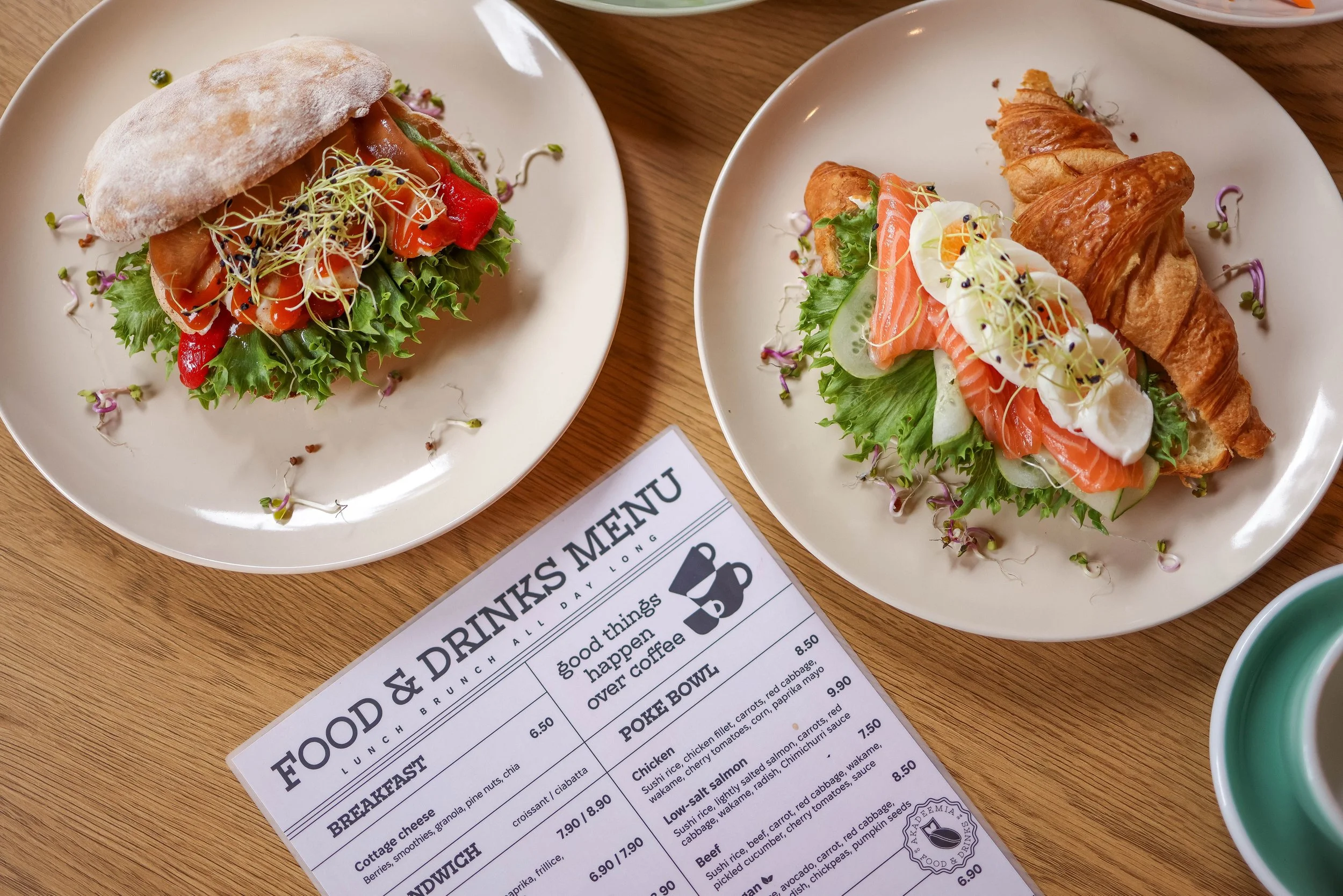
More options feel generous, and each addition looks harmless on its own. The data on how guests actually decide tells a different story: past a certain point, choice stops widening what guests order and starts narrowing it.
Adding a menu item feels like generosity, and it feels free. Someone asked for it once. A competitor has one. The kitchen can make it. Each addition looks harmless on its own, which is exactly how a menu grows to forty, sixty, or a hundred items without anyone ever deciding it should. The guest never experiences those items one at a time. They experience the menu as a single object, and the longer it gets, the more it asks of them before they can enjoy anything. Marketing professor Dilip Soman tells the story of a Toronto takeout owner whose menu ran to about 155 items, yet most of his sales came from five or six of them. The owner believed he was offering variety. His guests were using a sliver of it. Soman's field test across North American restaurants found the same pattern more broadly: restaurants with longer menus showed a higher concentration of sales in fewer items, the opposite of what the extra items were meant to achieve.
The guest data shows why. In a US Foods survey of 1,000 consumers reported by Restaurant Business, the typical guest spends nine minutes working through a menu, and 79% say they have a difficult time deciding what to order, with 54% naming too many options as the main reason. Only 15% said they usually have no difficulty. A 2026 Global Payments survey of 2,000 UK consumers found a similar pattern: 66% say large menus are moderately to overwhelmingly difficult to navigate, and 32% have abandoned an order entirely because of complexity. That study centers on quick service, but its findings line up with what US Foods found among restaurant guests generally. The point that matters most for revenue sits underneath the numbers. Decision paralysis pushes many guests back toward habitual, safe orders, so the more crowded the menu, the less likely a guest is to reach the second course, the premium pour, or the dish that would have lifted the check. In the same research, 45% said they would be more willing to try new items if ordering were simpler.
Complexity also taxes the other side of the pass. For every dollar a guest spends, restaurant owners typically keep only 3% to 5% as profit, and 4% to 10% of the food a restaurant buys is lost in the kitchen before it reaches a plate. Every extra item adds ingredients to order, prep to schedule, steps to train, and chances for a mistake. FSR Magazine's 2025 look at menu simplification notes that fewer items can mean faster prep, fewer errors, more consistent quality, and better terms with fewer suppliers. The same menu that overwhelms the guest quietly squeezes the margin, and the operator pays for complexity twice.

What this means for operators
A menu is a sales tool with a capacity limit. Most are over capacity.
A menu has three jobs. It helps the guest decide, it sets the kitchen up to execute, and it carries the margin. An item that does not earn its place on all three costs the operation on each, every service. The tricky part is that the cost is invisible. Nobody logs the guest who took four minutes longer to order, the second drink that never happened because the first decision was exhausting, or the prep list that grew because one slow-moving dish needed its own garnish.
The reframe that helps most is that a smaller menu is not a smaller offer. It is a clearer one. When fewer items compete for attention, the best ones are easier to find, the team can speak to each with real knowledge, and the kitchen can execute them at the level a guest remembers. A focused menu also signals confidence, the sense that an operator knows exactly what they do well.
A menu is not an inventory of what your kitchen can make. It is a decision about what is worth choosing.
Disciplined operators treat the menu like real estate. Every item earns its space through margin, speed, or identity, and the burden of proof sits with the item rather than with the decision to cut it. They review the menu on a calendar instead of waiting for a slow quarter, and they cut with data instead of instinct, so the brand's identity stays intact while the clutter goes.
What operators should do
Rank every item by what it earns, not by what it means to you
Soman's 155-item menu with five or six dishes carrying most of the sales is the pattern in miniature. Sales mix and contribution margin show which items do the work and which simply take up space, and sentiment is the one thing that clouds the read. Pull ninety days of sales mix and sort every item by units sold and margin contribution. The bottom third often includes dishes the team is proudest of, which is exactly why the data should make the first pass and the conversation the second.
Merge and reuse before you delete
Not every cut has to be a loss. Sharing ingredients and techniques across dishes reduces the kitchen waste that eats into thin margins, shortens training, and trims the order sheet, all while keeping the flavors guests already like. Say three dishes each need a different specialty garnish and a one-off sauce. Rebuilding two of them around the sauce and garnishing the third already uses keeps the flavors guests ask for and removes two ingredients from the walk-in.
Shorten the decision with structure, not just subtraction
With guests spending nine minutes on a menu and 54% blaming too many options, how the choices are grouped matters as much as how many there are. Clear sections let a guest narrow the field before they choose, which is where most of the effort is spent. Take a cocktail list of thirty-five drinks in alphabetical order. Regrouping it into four flavor families of five or six drinks each, with a one-line cue for every family, lets a guest narrow the field in seconds instead of scanning the whole page.
Train the floor to be the menu's editor
With 32% of consumers abandoning orders over complexity and 45% willing to try new items if ordering gets simpler, the person at the table is the fastest simplifier a restaurant has. A confident recommendation does what a long menu cannot. Give servers a two-question opener, such as what the guest is in the mood for and how adventurous they feel, along with a pre-agreed recommendation for each combination. The guest gets a clear answer in thirty seconds, and the dishes the kitchen wants to feature get ordered.
Adopt a one-in, one-out rule for every new item
Menus grow one harmless addition at a time, so the guardrail has to live inside the process. A simple exchange rule keeps additions deliberate and keeps the standard for earning a spot rising. Set the rule that no new dish or drink reaches the menu until an existing one has earned its place or been retired. Over a year, the menu stays the same length while the bar for getting on it keeps climbing.
What this means for consumers
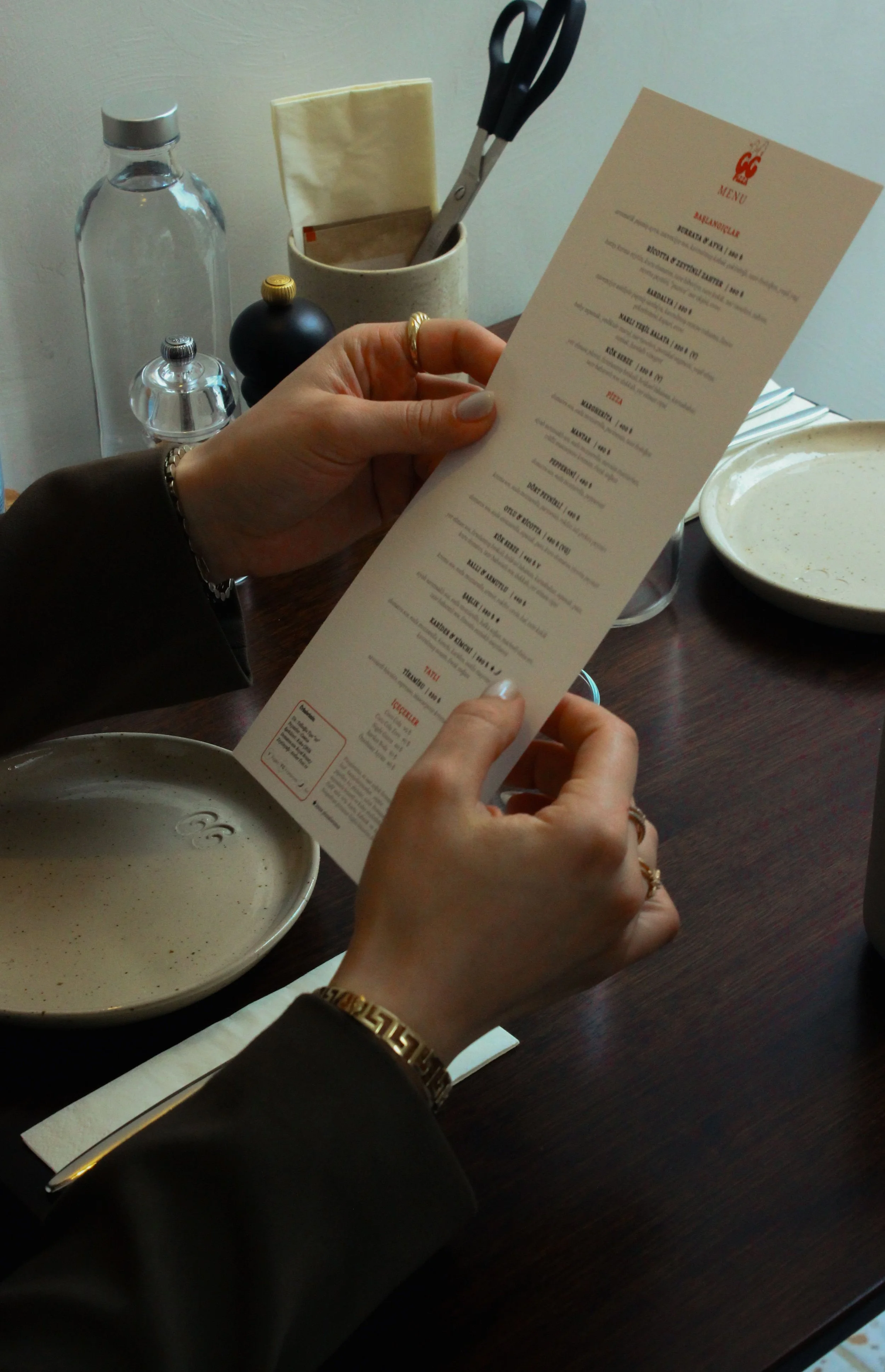
If ordering feels like work, it is not you. Here is how to make it easier.
Most guests who struggle to choose blame themselves. The data says the struggle is the norm: 79% of diners report difficulty deciding what to order, and the most common reason is simply too many options. The menu is doing something to the guest, not the other way around. That matters because the stress has a cost the guest feels too: the longer the decision drags, the more likely it ends with the safe pick.
That safe pick is the quiet loss. When decision paralysis sets in, many guests fall back on what they already know, which means the dish the kitchen is proudest of, and the one the guest would have loved, stays unordered. A focused menu is not limiting the guest. It raises the odds that whatever they choose is one of the things the kitchen does best, and it is a big part of why a short menu so often tastes better.
Guests also shape where menus go. Ordering the signature dish, asking what the kitchen recommends, and praising a menu that was easy to navigate all tell operators that focus is welcome, and the operators paying attention tend to follow what their guests reward.
What consumers can do
Read a focused menu as a sign of confidence
A longer menu tends to concentrate orders on a few items anyway, so a short one is often just an honest version of the same thing. It suggests a kitchen that knows where its strengths are. A menu that fits on one page, where the server can say in a sentence what they would order, is a kitchen telling you where its strength is. That is worth more than a list of eighty items that all sound plausible.
Ask the question that shortcuts the menu
Floor teams are the menu's best editors, and a good question turns nine minutes of scanning into one confident answer. It also tells the team what kind of evening you want. Asking "what is the kitchen proudest of this week?" or "what do you order on your night off?" tends to land on the best thing in the building and spares the whole table the scroll.
Do the reading before you sit down
In the US Foods survey, 83% of guests had already scanned the menu at home, at work, or on the drive over. Deciding before you arrive removes the pressure of a waiting table, and Global Payments found order anxiety peaks when queues and other customers add pressure to the moment. On the way over, pick two contenders from the online menu and let the mood of the table decide between them. Walking in with a shortlist turns the menu from a test into a confirmation.
Order one familiar thing and one stretch for the table
Decision paralysis pushes people toward safe orders, and 45% say they would try more if choosing were easier. Pairing a sure thing with one adventurous pick lowers the stakes of trying something new. Choose the dish you know you will love, then add one stretch pick to share. The table gets security and discovery, and the kitchen gets proof that its less obvious dishes deserve their place.
Menu complexity stays invisible until someone measures it, because its costs are spread across slower tables, smaller checks, longer prep lists, and wasted product. HoCo works with operators to audit menus against sales mix, kitchen capacity, and how guests actually decide, then build the structure that makes the best items the easiest to choose. The menu stops being a record of everything the kitchen can do and starts working as a system for what guests order and what the business keeps.
Sources
1. Restaurant Business / US Foods: Want to Speed Service? Start With Your Menu (survey of 1,000 consumers: nine minutes on a menu, 79% difficulty deciding, 54% too many options, 83% scan the menu beforehand)
2. QSR Media / Global Payments: Order Anxiety and Menu Overload Are Quietly Reducing QSR Sales (survey of 2,000 UK consumers: 66% find large menus difficult, 32% abandoned an order, 45% would try new items if simpler)
3. Brandknew Magazine / Dilip Soman, University of Toronto: The Tyranny of Choice (155-item menu and menu-length field test)
4. 7shifts: How to Reduce Expenses in a Restaurant (3% to 5% profit per dollar)
5. OysterLink: Restaurant Food Waste Statistics (4% to 10% of purchased food lost in the kitchen)
6. FSR Magazine: A Hot Topic for Restaurants in 2025: Simplify and Save