Your location isn't the problem. Your strategy is.
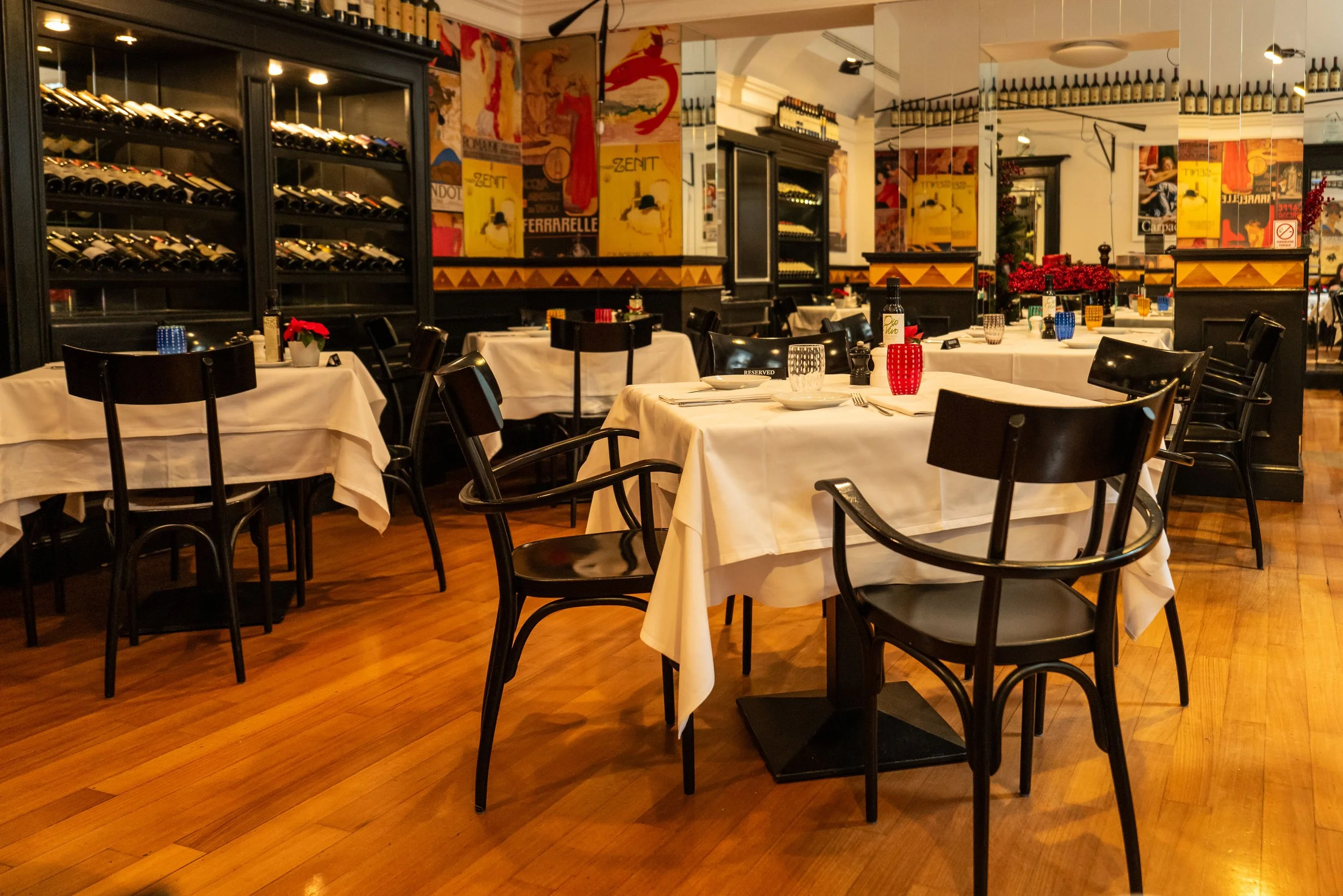
Location matters. The data is clear on that, and dismissing it entirely would be dishonest. What the data is equally clear on is that location is a constraint, not a verdict. The operators who treat it as a verdict have stopped looking for the levers they can actually pull.
The location argument in hospitality is real enough to take seriously and overused enough to challenge directly. Cornell University research cited by Direct Orders identifies location as accounting for 60 to 70% of restaurant success variance, and the same analysis notes that restaurants in mismatched locations fail at rates exceeding 80% within three years regardless of food quality. Those numbers are not a reason to dismiss location as a factor. They are a reason to understand precisely what "location" means in that equation, because the operators who have built thriving businesses in side streets, secondary markets, and overlooked neighborhoods have not defied that research. They have understood it more carefully than the ones who used it as an excuse.
Location in the Cornell framework is not just a street address. It is the match between concept, trade area demographics, price point, competitive density, parking, and visibility. An operator whose concept is misaligned with the neighborhood, whose pricing does not match the market's tolerance, or whose visibility is low because they have invested nothing in building it, is not failing because of location. They are failing because of strategy deployed in a location, and those are fixable problems that a lease break does not solve. 55% of diners decide where to eat based on location, but 41% research a restaurant's social media before visiting, and eight out of ten check a restaurant's website before choosing it over a competitor. The guest who finds a restaurant is increasingly doing so digitally before they do so physically. That changes what location means for an operator who has built the right digital presence, and it means the physical address is one factor among several that operators have more control over than they typically exercise.
The failure data makes the argument most clearly. Datassential's 2025 analysis found that restaurant failure rates have dropped to under 1% for most segments, driven by better data, improved training, smarter POS and inventory systems, and stronger financial planning tools. The improvement is not geographic. The same locations that existed five years ago exist today. What changed is operator sophistication, and operator sophistication is strategy. The businesses that closed in 2024 and 2025 were not uniformly in bad locations. TGI Fridays, Red Lobster, and Denny's closed hundreds of locations in markets where other restaurants continue to operate successfully. Location was not the variable. Strategy was.

What this means for operators
Location sets the ceiling. Strategy determines how close you get to it.
The honest version of the location conversation acknowledges both sides of the data. A restaurant in a genuinely mismatched location, wrong price point for the neighborhood, no parking in a driving market, no foot traffic and no budget to build an alternative, is operating against real structural constraints. Those constraints are worth understanding before signing a lease, not after the first slow quarter. The issue is not that location does not matter. It is that most operators who blame location have not honestly audited whether what they are calling a location problem is actually a visibility problem, a marketing problem, a concept alignment problem, or an operational problem that a better address would not fix.
The restaurant that would succeed anywhere is not being held back by location. It is being held back by the parts of the operation that would underperform anywhere.
Nearly 76% of local searches with local intent result in a visit within 24 hours. For an operator in a low-visibility location, that statistic is not a limitation. It is a channel. The guest who finds a restaurant through a search result, a strong review portfolio, or a social media post is a guest whose decision was not made by walking past a window. Building that discovery infrastructure, local SEO, consistent review management, social presence that communicates what the experience is worth seeking out, is a strategy that partially decouples guest acquisition from physical foot traffic. The operators in secondary locations who have built that infrastructure are not overcoming their location. They are competing on a different terrain than the operator two blocks away who is relying on walk-ins.
Community strategy is the other variable that most operators underinvest in relative to its impact. Authentic storytelling, community partnerships, and local event sponsorships generate stronger emotional ties and repeat visits than generic digital advertising, according to Kard's 2025 restaurant marketing analysis. The operator in a side-street location who is the neighborhood's most trusted venue for community events, whose team members are recognizable faces in local networks, and whose story is known by the people within a two-mile radius, has built a different kind of visibility than a frontage address provides. That visibility is durable, does not depend on a lease negotiation, and produces the kind of loyalty that survives a slow month in ways that foot-traffic-dependent operators cannot replicate.
What operators should do
Audit whether the problem is actually location before treating it as one
The diagnostic question worth asking before any lease decision is whether the business would succeed in a better location without changing anything else. If the answer is honestly no, the location is not the problem. An operation with inconsistent food quality, undertrained staff, no marketing presence, and poor financial controls would underperform in the best spot in the city. The location audit should include a clear-eyed assessment of every variable the operator controls before drawing conclusions about the ones they do not.
Map out the specific reasons the business is underperforming- slow traffic, low conversion, poor retention, low average check, and tracing each one back to its most likely cause will almost always surface at least two or three strategic failures for every genuine location constraint. The operator who finds three strategy problems and one location problem has a different path forward from the one who stops the diagnosis at the address.
Build digital visibility as a primary traffic driver, not a supplement to physical presence
For operators in lower-visibility locations, the digital discovery infrastructure is not optional marketing. It is the primary mechanism through which guests decide to make the trip. Local SEO optimization, a complete and current Google Business Profile, active review response, and social content that communicates what the experience is worth seeking out, are the tools that convert a guest's awareness of the restaurant into a decision to navigate to it. Operators who treat these as secondary to their in-person experience are making a strategic error that compounds over time.
An operator on a side street with no natural foot traffic who maintains a Google Business Profile with current hours, responds to every review within 48 hours, and posts three times per week on social media with content that shows the specific experience guests receive is creating discovery moments that do not require a front-of-building location to generate. The guest who finds the restaurant that way has already decided to come before they have seen the address, which changes the entire dynamic of their arrival and their willingness to make the effort to find it.
Align concept, price point, and community identity with the trade area before anything else
The mismatch between concept and trade area is the specific location failure the Cornell data is identifying, not the address itself. A fine dining concept in a neighborhood where the median household income does not support its price point is a strategy problem, not a location problem. The operator who diagnoses this correctly has options: reposition the concept, adjust the price architecture, or relocate. The one who blames the neighborhood has identified the symptom without finding the cause.
A restaurant that opens with an $85 average check in a market where the competitive set is averaging $35 is not in a bad location. It is in a mismatched position that requires either repositioning the concept or relocating to a trade area where the price point is supported by the demographics. The operators who run that analysis before opening are working from data. The ones who run it after two slow quarters are working from disappointment, and the conclusions are less reliable.

Invest in community presence as a long-term visibility strategy
The operations that have built destinations in overlooked locations almost universally share a common characteristic: they became genuinely embedded in the community around them before they tried to attract guests from outside it. Sponsoring local events, partnering with nearby businesses, hosting community gatherings, and being known by name in the neighborhood produces a loyalty base that does not depend on passing traffic and does not disappear when a competitor opens nearby with a better address.
A bar in a lower-traffic neighborhood that sponsors a local charity night once per quarter, partners with a nearby coffee shop for cross-promotion, and hosts a monthly community event draws a guest base that chose the venue rather than stumbled upon it. Those guests return because they have a relationship with the place, not because it was convenient, and that relationship is more durable than any volume of walk-in traffic from a high-street location.
Track the actual source of every new guest before concluding visibility
Most operators who believe their location is the problem have not measured where their guests are actually coming from. Without that data, the conclusion that foot traffic is the constraint is a guess rather than a diagnosis. Asking new guests directly, tracking reservation source in the booking system, and monitoring which marketing channels drive first-time visits produces the specific information needed to invest in the channels producing results rather than continuing to wait for the physical location to do work it may never do on its own.
An operator who surveys new guests for one month and discovers that 60% found the restaurant through Instagram, 25% through Google search, and only 15% through walking past the building has learned that the location is producing a fraction of the discovery that the digital channels are generating. The strategic implication is clear: invest in the channels that are working, and stop using the physical address as an explanation for a problem that data shows is largely solvable without moving.
What this means for consumers
Some of the best places you have never been to are not hard to find. They are just easy to overlook.
The guest discovery process in 2025 is almost entirely digital before it is physical, and that shift has created an opportunity that most diners are not fully using. 41% of guests research a restaurant's social media before visiting, and eight out of ten check a website before choosing one location over another. Those behaviors are already pointing guests toward a discovery process that does not require a prominent address or a busy corner. What they have not yet fully produced is a culture of actively seeking out the less visible operations that have built something worth finding, rather than defaulting to the ones that are easiest to see.
The best restaurant a guest has ever eaten at is probably not on the main strip. It is probably in a location that required a deliberate choice to go to, recommended by someone who already knew about it, or discovered through a review that was specific enough to make the trip feel worth making. Those discoveries happen because someone looked past the obvious choices and went looking for something better. 76% of local searches with local intent result in a visit within 24 hours. The infrastructure for finding non-obvious places is there. The habit of using it to find overlooked operations rather than just confirming the choice you had already made is what separates the guest who keeps discovering great places from the one who keeps returning to the familiar ones.
Consumers also shape which operations survive their location constraints. A restaurant in a secondary spot that produces excellent food and genuine hospitality depends on its existing guests to generate the word-of-mouth and review visibility that brings new guests through a door they would not otherwise have known to open. The guest who finds a great place in an overlooked location and says nothing about it has participated in a quiet failure. The one who leaves a specific review, sends a recommendation, or brings someone new, has extended the reach of a business that cannot buy the visibility its location does not provide.
What consumers can do
Use search behavior to find places rather than confirm choices already made
Most guests use Google and social media to validate a restaurant they are already considering rather than to discover one they have not heard of. Reversing that habit, using the search infrastructure to find the highest-rated operation in an unfamiliar neighborhood, the most talked-about bar on a side street, or the most reviewed restaurant with the lowest profile, surfaces the operations that have built quality without the visibility that usually accompanies it.
Searching for the highest-rated restaurant within two miles of a destination rather than navigating to a known name produces a different set of results. The operation at the top of that list with 200 highly specific reviews and a location that would not generate walk-in traffic has earned that position through guest loyalty rather than foot traffic, which is almost always the stronger signal of what the experience will actually deliver.
Write reviews that specifically mention the location and why the trip was worth making
For a restaurant in a low-visibility location, the review that says "this place is hidden but absolutely worth finding" is doing marketing work the operator cannot afford to buy. It specifically addresses the discovery friction that prevents guests from visiting and replaces it with a trusted voice's endorsement of the effort. That type of review converts curious browsers into committed visitors in a way that a generic five-star rating without context cannot.
A review that says "tucked behind the parking garage on Elm Street, easy to miss but impossible to forget once you have been" is the sentence that converts the next reader who almost talked themselves out of going. For an operator whose only structural disadvantage is visibility, that sentence is worth more than any advertising budget they are unlikely to have anyway.
Bring someone new to the overlooked places you have already discovered
The most powerful marketing tool available to a restaurant without a prominent location is a guest who returns with someone they told about it. That second guest arrives with trust already established, which means the experience starts at a higher baseline and the review they leave, if they leave one, carries the credibility of a genuine discovery rather than a cold visit.
The guest who has been to the same side-street bar four times and has never brought a new person is sitting on the most effective marketing asset that operation has. Bringing one person who does not already know about it creates a potential new regular from a single visit, and that conversion is worth more to an operator who cannot rely on passing traffic than any number of social impressions from a paid campaign targeting strangers.
Follow the operators, not just the locations
The chef who built something great in one neighborhood and moved to a less visible one is still the same chef. The bar program that earned its reputation in a high-traffic spot and relocated to a quieter address took its standards with it. Following the people behind the operations, rather than the real estate those operations occupy, is a more reliable guide to where the best experiences are than any mapping of proximity and convenience.
A bartender or chef whose previous work a guest loved moving to a new location is a reason to visit that new location regardless of where it sits. The skills, relationships, and standards that produced the experience worth remembering are portable in a way that an address is not, and the guest who follows the operator rather than the postcode consistently finds the better version of what they are looking for.
Speaking of destinations worth making the trip for: on September 27, 2026, the 6th Annual Battle of the Babes Cocktail Competition returns to the 19th-floor rooftop at Merchant + Trade in Uptown Charlotte. Eight mixologists. Eight original cocktails. Heavy hors d'oeuvres, a swag bag, and an evening that proves exactly what hospitality looks like when craft and community share the same room. Tickets are available now. The 5th Annual sold out. Do not make the same mistake twice.
The operators who have built thriving businesses in overlooked locations did not do it by accident or by waiting for a better address. They did it by building the visibility, community presence, and strategic clarity that made guests decide the trip was worth making. HoCo works with operators to build exactly that infrastructure, turning a location constraint into a strategy problem with a solution rather than an excuse with nowhere to go.

Sources
1. Direct Orders / Cornell University — Restaurant Failure Rate 2026: Location accounts for 60–70% of success variance; 76% of local searches result in a visit within 24 hours
2. Datassential — Restaurant Failure Rate Plunges in 2025: Under 1% failure rate driven by operator sophistication
3. MenuTiger — Restaurant Failure Rate Statistics 2026: 55% of diners decide by location; 41% check social media; 80% check website before visiting
4. Barmetrix — 26 Restaurant Marketing Ideas for 2026: 76% of local search intent results in same-day visit
6. Restroworks — Restaurant Success Statistics 2026: Chain and independent closure data including TGI Fridays, Red Lobster, Denny's
7. GoFoodservice — Restaurant Location Guide: Occupancy cost benchmarks and trade area matching data