Valentine’s Day Isn’t About Romance Anymore. It’s About Experience Design.
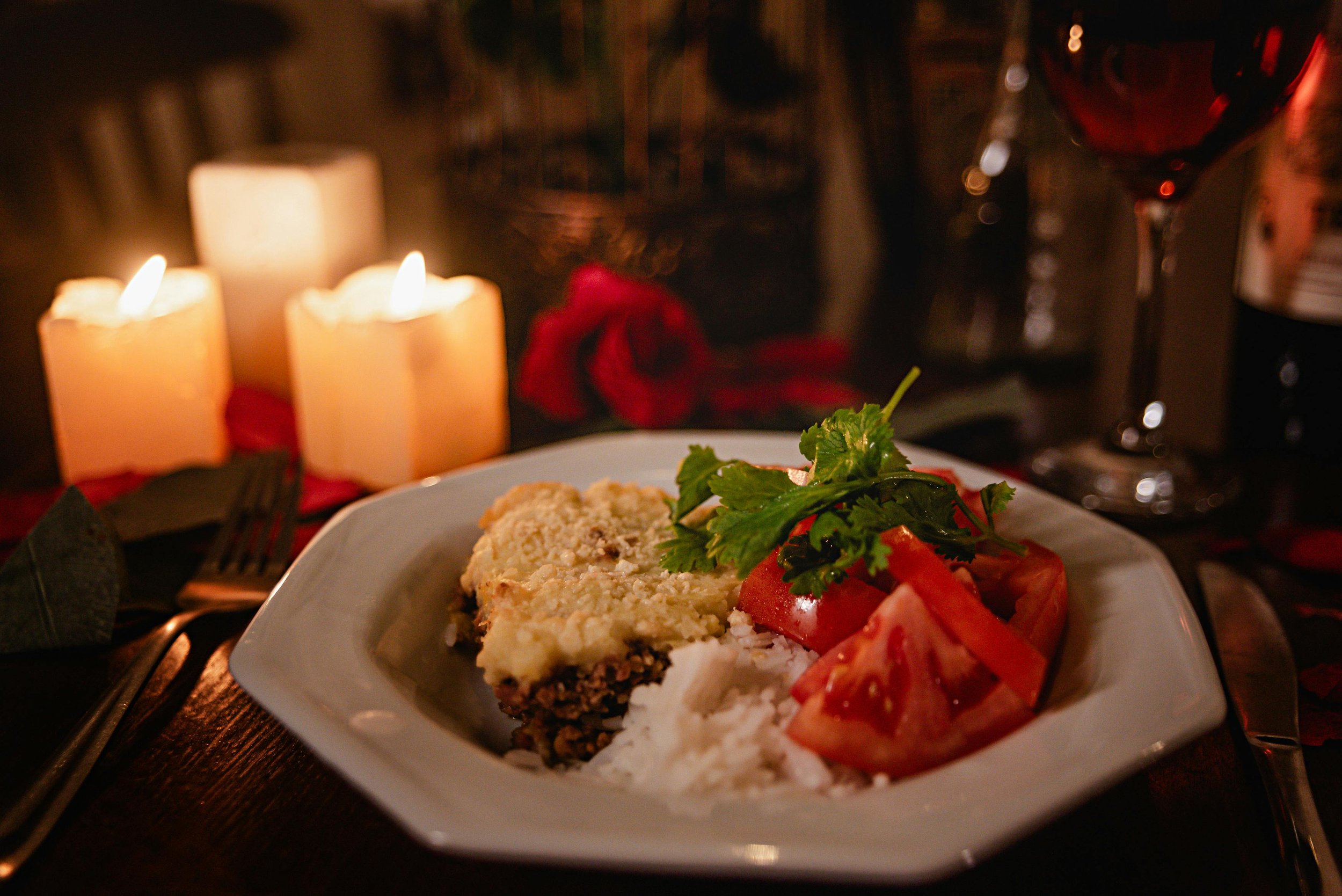
Most restaurants still treat February 14 like they always have: prix-fixe menus, tight seatings, and hoping crowds generate revenue.
That model worked when demand alone could fill seats. Demand still exists. Loyalty does not.
Modern guests care more about how they feel throughout their night than just what they eat. The data shows restaurants that ignore pacing, ambiance, and memorable service risk losing future visits even if they sell out on Valentine’s night.
Romance Has Become a Broader Occasion
OpenTable research reveals Valentine’s Day dining is changing rapidly. About 52% of Americans plan to dine out on February 14, and younger guests are reshaping what the night means. Many now celebrate with friends or even solo, not just romantic partners. Tourist and demographic shifts mean dinner experiences must be inclusive and memorable.
Booking patterns reinforce that guests do not make last-minute decisions. About 86% of reservations happen one or more days before Valentine’s Day, and over 56% occur at least one week in advance. This reveals diners plan timing and ambiance long before meals begin.
Experience Is Becoming the Product
Platforms tracking booking behavior report an increasing appetite for unique experiences instead of standard dinners.
Tock data shows overall Valentine’s Day bookings up about 48% year-over-year, while prepaid, premium experiences (above $200) represent over 10% of reservations, up from 7.2% previously. That shift points to guests paying for engagement, not just food.
Still more evidence comes through reservation actions. OpenTable reports that diners send “Notify Me” alerts for Valentine’s reservations at dramatically higher rates year-over-year, indicating guests are actively seeking out specific experiences.
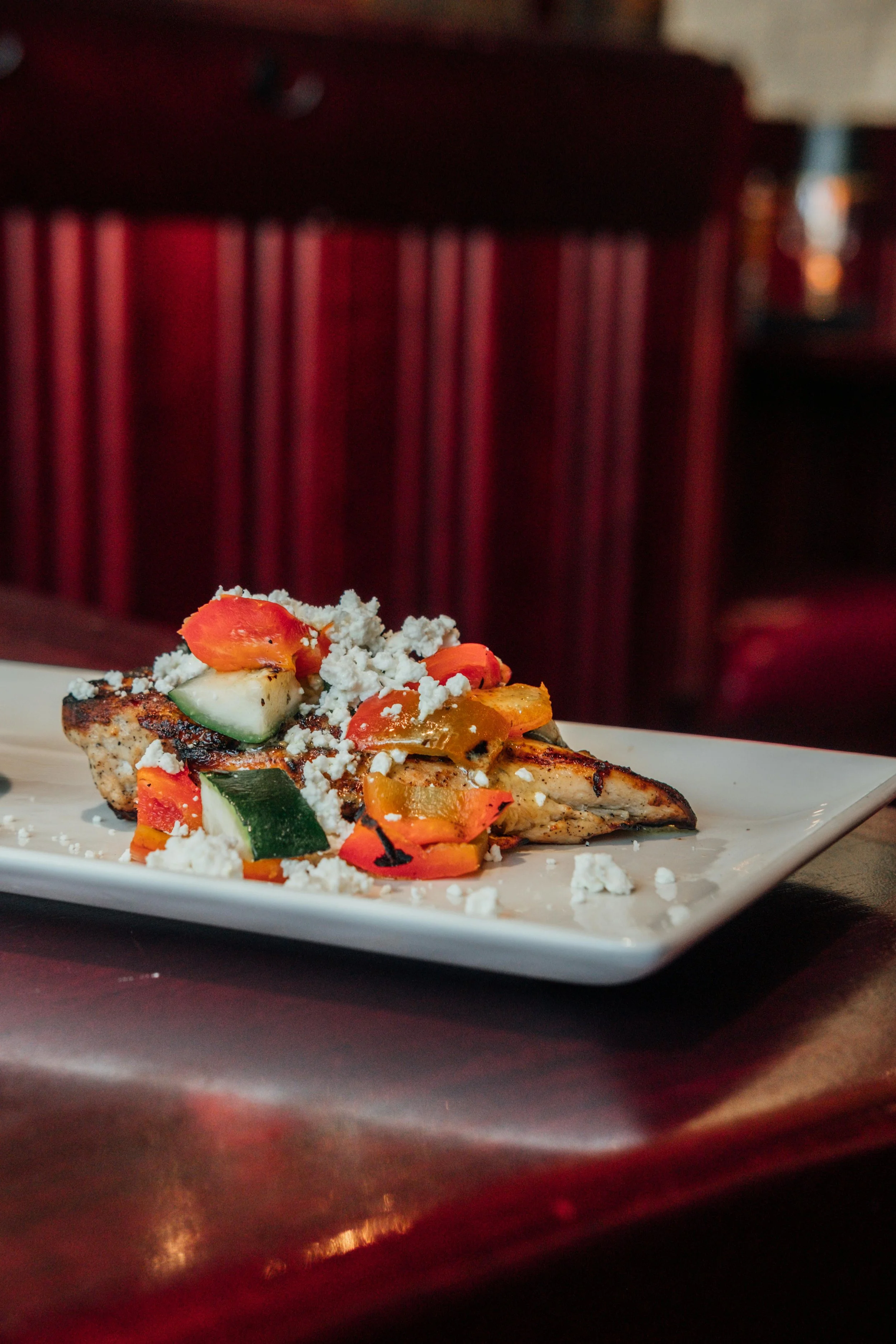
Why Ambiance and Pacing Matter
Behavior patterns in hospitality strongly influence repeat visits. Academic and industry research consistently shows that service quality and atmosphere influence emotional response and satisfaction, which drives guests to return. Studies analyzing large sets of TripAdvisor reviews confirm that tailored service and personalized interaction are strongly linked to loyalty, more so than menu details alone.
One umbrella analysis of hospitality reviews found that service quality and guest interaction are key predictors of loyalty, even when food quality varies. Guests comment about how the experience felt, not just what they ate.
Restaurants that rush seating or overload staff on high-volume nights often create chaotic service. That leads to delayed orders, longer wait times, pressured pacing, and diminished guest memory of the night. Chaotic experiences reduce the chance of repeat visits more than an expensive prix-fixe menu increases short-term revenue.
What the Enemy Is
The real problem is not that restaurants offer a special menu.
The problem is when operators treat Valentine’s Day like a revenue spike weekend without designing human experience around it.
Booking surges do not guarantee loyalty. Guest behavior at peak moments reveals that diners are not just buying food; they are buying emotional memory. When service is rushed or feel superficial, they return less often, even if they paid more.
What High-Performing Rooms Do Instead
Top venues at peak demand treat service as experience architecture.
Operators who design pacing, ambiance, and staff flow create experiences that:
Increase average spend over the night
Reduce perceived wait frustration
Strengthen emotional memory of the visit
Drive positive social reviews
Increase likelihood of repeat bookings
That design mindset upgrades Valentine’s Day from a transaction into a memory.
Standard Operators Miss the Longer Game
Busy restaurants risk burnout culture on holidays like Valentine’s Day. Kitchens operate at maximum pressure, hosts push for quicker turns, and managers chase revenue spikes. That dynamic may maximize covers on February 14, but it often damages staff morale and guest experience. High turnover and inconsistent service damage reputation over time.
If a restaurant fills up every Valentine’s Day but fails to build repeat business, its pricing strategy is not sustainable.
HoCo’s Takeaway
Successful hospitality teams treat Valentine’s Day like experience design, not a menu challenge.
Operators should measure:
Reservation pacing and turnover pressure
Guest dwell time and review sentiment
Wait time friction points
Staff workload balancing
Atmosphere consistency throughout service
These behaviors influence guest memory far more than a fixed three-course menu.
Decision Point
Keep pricing high and cramming covers or build systematic design around the human experience of service.
One path fixes a day.
The other builds a reputation.
Experience design wins loyalty. That creates predictable revenue.