The “Experience Economy” Bubble: Are Guests Getting What They Paid For?
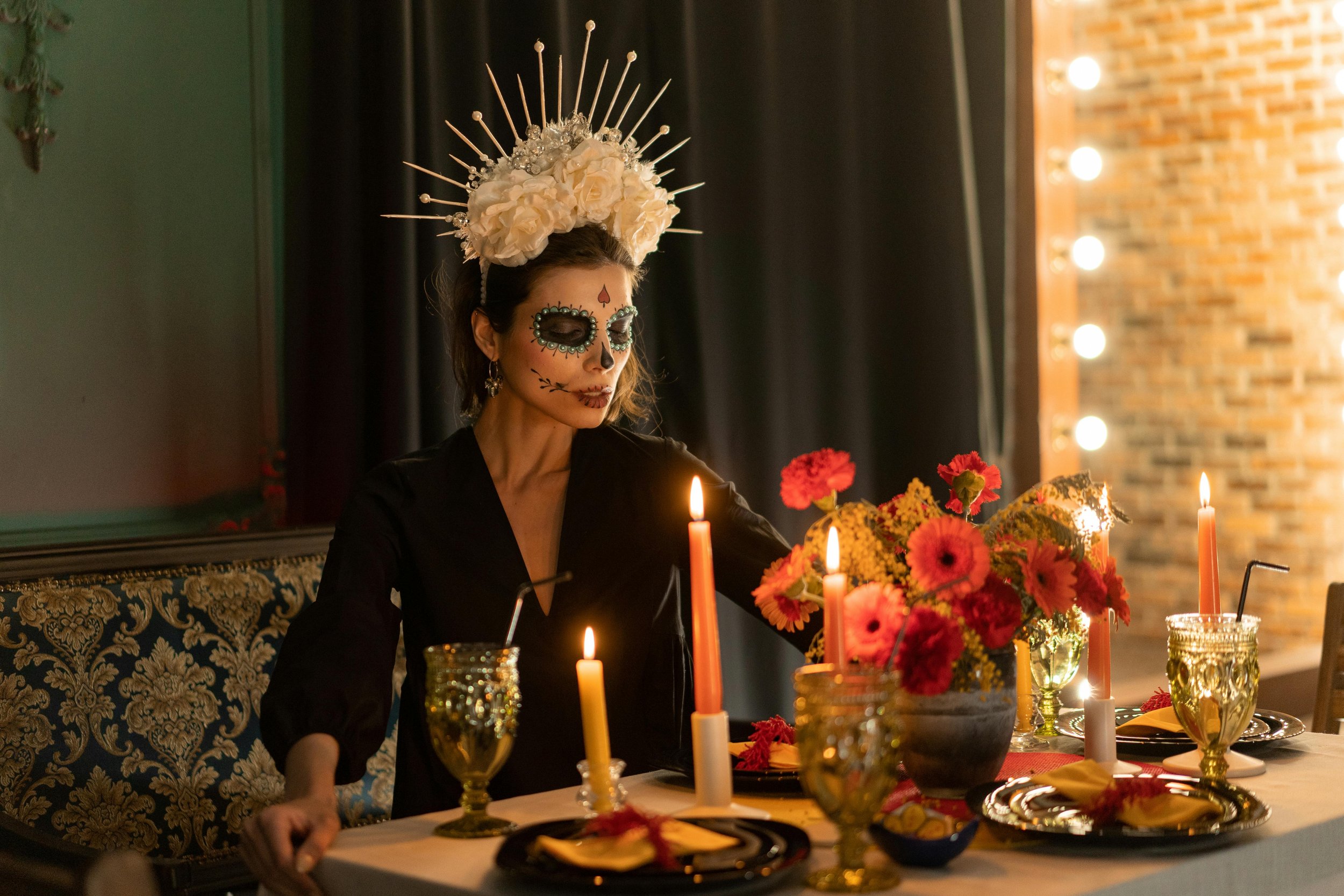
The hospitality industry has entered an era where dining out, staying at a hotel, or even grabbing a drink has evolved far beyond the basics of food, service, and shelter. Guests are no longer just looking for a meal or a bed—they’re looking for an experience. Restaurants host multi-sensory dinners. Hotels build theme-based suites. Cocktail bars turn their menus into theatrical performances. But as the experience economy grows, so does a pressing question: are guests truly getting what they pay for, or has the concept become an excuse for inflated prices?
The idea of the “experience economy” was first coined by economists B. Joseph Pine II and James H. Gilmore in 1998. Their theory argued that consumers were no longer satisfied with goods and services alone—they wanted experiences that stirred emotion and created lasting memories. Two decades later, that prediction has become reality. According to a 2024 Skift Research report, 76% of travelers said they’d rather spend money on experiences than physical items, and 63% were willing to pay more for personalized or immersive stays. The hospitality industry responded enthusiastically. However, as themed dining and luxury pop-ups multiplied, so did criticism about value and authenticity.
Guests often walk into an “immersive” event expecting something transformative but leave feeling like they paid more for the décor than the experience itself. Many diners and travelers have begun to question what justifies premium pricing: is it the craftsmanship behind the concept, or the marketing spin? Themed restaurants and pop-up bars have become especially popular during the holiday season. Halloween brings haunted speakeasies with spooky cocktails, Thanksgiving offers elaborate farm-to-table dinners, and Christmas ushers in over-the-top décor paired with seasonal tasting menus. These experiences are Instagram gold, but as social media continues to drive demand for “shareable” moments, the line between genuine immersion and performance has blurred.

There is no denying that these experiences can be magical. Themed events create anticipation, engage the senses, and foster emotional connections. But for many guests, value comes down to one thing: substance. Does the quality of the food, drink, or service match the price tag? A 2023 Deloitte survey found that 42% of consumers feel they are paying more for hospitality experiences that don’t meet their expectations. As inflation continues to affect both restaurants and consumers, the pressure to justify the cost of these experiences grows stronger.
For businesses, the challenge is walking the fine line between creativity and authenticity. A truly successful experience doesn’t rely solely on aesthetic. It should enhance the product itself, not overshadow it. A hotel offering a “wellness retreat” should deliver thoughtful, rejuvenating programming instead of simply repackaging its existing amenities with mood lighting and essential oils. A restaurant hosting a “chef’s tasting” should focus on craftsmanship and storytelling through food rather than relying on a gimmick to attract attention. Guests can sense authenticity. They respond to it. And in a saturated market, it has become the ultimate differentiator.
Another layer of the debate revolves around accessibility. As experiential offerings grow, so does exclusivity. Reservations for immersive dinners or limited-edition tastings often sell out within hours, and ticketed events like “cocktail experiences” can reach upwards of $150 per person. These prices can alienate local consumers who once supported their neighborhood venues. Hospitality businesses risk creating a divide between guests who can afford to participate and those who can’t. This shift raises an important question about community connection. Are these experiences designed to include, or to impress?
Still, it’s important to recognize that for many operators, the investment in creating these moments isn’t just aesthetic—it’s survival. After the pandemic, experiential programming became a lifeline for restaurants and bars trying to stand out in a crowded marketplace. Consumers craved novelty after years of isolation, and venues met that demand with creativity. Some used storytelling to deepen brand loyalty, while others built concepts that turned dining into art. For businesses that approach it thoughtfully, the experience economy can still be a powerful tool.
For example, themed pop-ups around Halloween and Christmas continue to draw guests across demographics. Hotels transform their spaces into cozy, cinematic escapes. Bars like Miracle Christmas Pop-Up and Sippin’ Santa bring in huge seasonal revenue spikes, with some locations reporting up to 50% increases in sales during the holiday season. The key to their success is consistency and attention to detail. The drinks taste as good as they look. The atmosphere feels authentic to the theme. Guests leave with both photos and memories.
Businesses that thrive in this space focus on emotional engagement rather than excess. A thoughtful event doesn’t need lavish budgets or over-the-top production. It requires intention. What story are you telling? What feeling are you evoking? Guests want to be moved, not manipulated. And as economic pressures continue to rise, consumers are becoming more discerning about where they spend their money.
For consumers, it’s worth reflecting on what makes an experience meaningful. A well-crafted cocktail enjoyed at a small neighborhood bar may bring just as much joy as a $200 tasting menu at a themed pop-up. The value lies in connection—the conversation with a bartender, the attention to detail in service, the thought behind a dish or design. The best experiences are often those that feel personal and real.
The experience economy doesn’t have to burst like a bubble. It can evolve. The next phase of hospitality should focus on authenticity, sustainability, and genuine connection. As the industry heads into the festive season, there’s an opportunity for brands to redefine what “immersive” really means. True value isn’t found in smoke machines or dramatic lighting. It’s found in the way a guest feels when they leave.
HoCo remains dedicated to helping hospitality brands bring creativity and purpose to life. Our team partners with restaurants, bars, and event spaces to design experiences that not only impress guests but also strengthen community connection and brand integrity. Every touchpoint, from concept to execution, is crafted to inspire real engagement and long-term loyalty.
The experience economy isn’t ending—it’s just changing shape. For businesses, it’s time to focus on meaning over marketing. For guests, it’s time to seek out experiences that speak to the heart, not just the camera.