The Cost of Doing Nothing: Why Bars Without Marketing Plans Fall Behind Fast
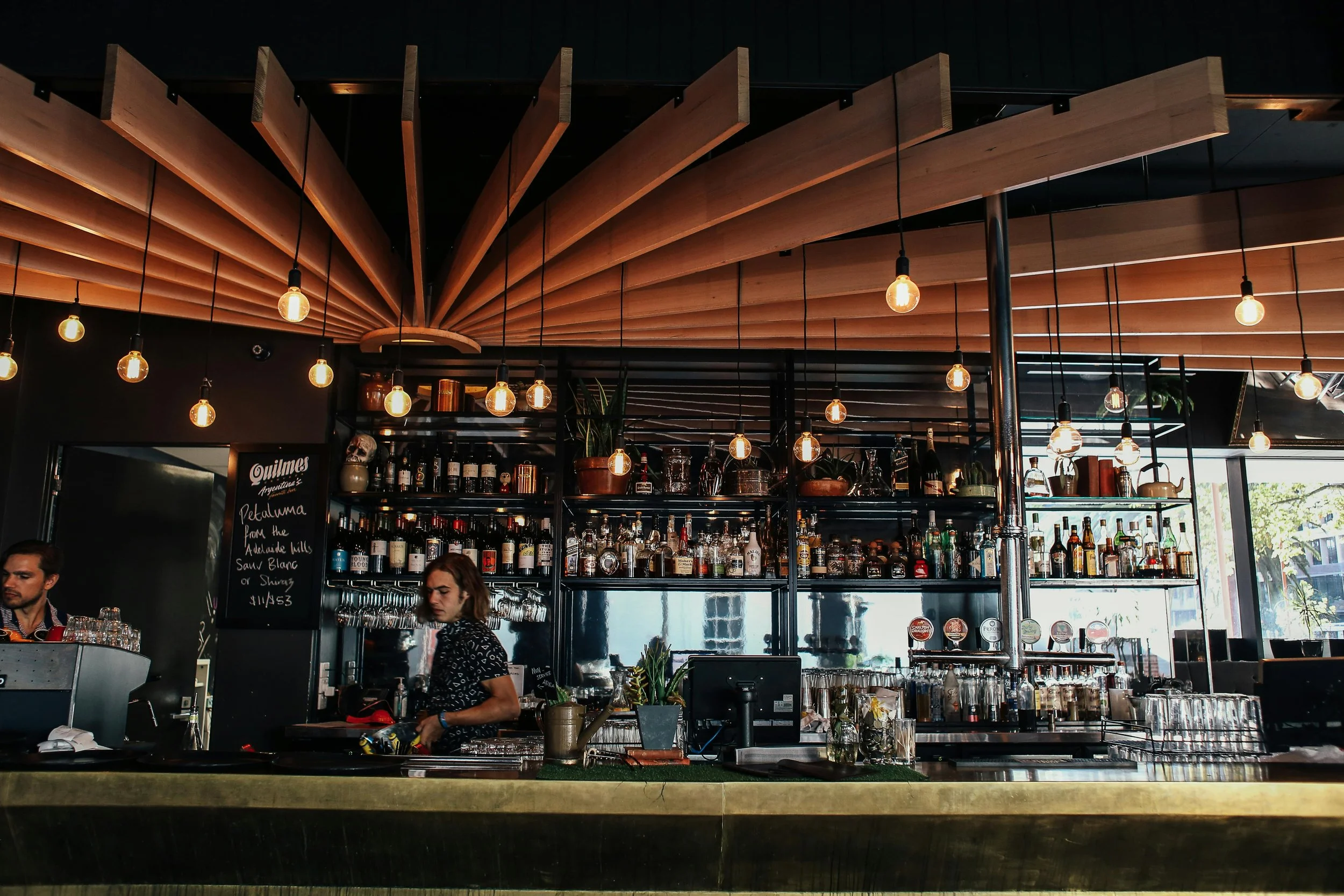
Most bars still run their business like they’re waiting for luck to strike. Open later. Hope someone posts a story. Wish the weekend fills out.
That’s not strategy. That’s guessing.
Bars without clear marketing plans don’t just lose potential traffic. They lose visibility, revenue, brand relevance, and ultimately, survival. This problem isn’t theoretical. It shows up in review ratings, repeat visits, and word-of-mouth influence.
Visibility Gaps Kill Opportunity
If people can’t find you, they can’t drink with you.
Hospitality marketing exists to connect potential guests with your bar before they decide where to go. Hard numbers show that visibility drives discoverability and ultimately revenue. A well-executed online presence and reputation management help guests find and choose a venue, especially when competition is fierce.
Bars without strategic visibility plans rely on chance encounters and random traffic. That may fill seats sporadically, but it doesn’t build a predictable audience.
Not knowing who sees your brand and when is the same as having no doors at all.
Missed Revenue Isn’t Invisible
Bars without structured marketing rarely measure guest data, loyalty, or trends. When team energy goes entirely toward daily operations, revenue beyond tonight becomes invisible.
Experts recommend that hospitality businesses put 3 to 6 percent of total sales revenue into marketing efforts just to maintain visibility and engagement.
When you skip planning entirely, you effectively:
• Give away revenue to competitors
• Miss opportunities for repeat visits
• Underprice experiences because you don’t understand demand
That lost revenue isn’t theoretical. It’s dollars that never hit the tills because no one knew the bar existed or why it mattered.
Data Drives Decisions, Not Gut Feelings
Marketing is not optional in a crowded, digital world. Research in the hospitality industry confirms that businesses with strong marketing strategies attract more bookings and guest interest.. A comprehensive plan connects digital behavior with operational outcomes.
A smart bar tracks:
• Online discovery patterns
• Engagement on social platforms
• Visitor sentiment through ratings and reviews
• Repeat visit rates
• Response times on messages and feedback
Without these measures, operators are flying blind and their competitors with even basic marketing plans will outperform them over time.
Random posting, sporadic events, and hope-based “visibility” do not move the needle. They create noise without results.
Brand Erosion Happens Quietly
Brand erosion doesn’t always look obvious.
A bar’s visibility gap might show up as lower search rankings. It might show up as flat foot traffic in a neighborhood that was once popular. Or it shows up in reviews that focus on “not enough buzz” or “missed energy.”
A powerful metric in local hospitality is reputation rating. Research shows that a one-star increase in Yelp rating can lead to a 5 to 7 percent increase in revenue. Small changes in perception matter because guests’ decisions are emotional and anchored in trust. Bars without plans to shape their perception surrender control of that narrative.
That’s how brand relevance begins to slip.

Competitors Without Discipline Still Win
A bar without a plan lets competitors define the landscape for guests.
If another venue has:
• a defined brand presence
• a narrative guests understand
• consistent visibility campaigns
• reputation management
• targeted engagement
then guests are going to those places first.
Marketing doesn’t replace great operation.
But when operations are similar, visibility does.
Data-driven, systematic approaches to marketing mean:
• more guests know you exist
• guests know what you stand for
• guests can find you where they search
• guests are reminded to come back
That transforms random walk-ins into repeat visits.
The HoCo Standard: Planning With Purpose
Marketing plans are not optional chores. They are frameworks to:
• attract defined audiences
• convert first-time guests into followers
• build predictable revenue cycles
• protect brand relevance
• measure impact instead of guessing
A good plan starts with data, narrative, and behavior:
• Who are your guests?
• What are they searching for?
• When do they make decisions?
• Why do they choose one bar over another?
Without answering these questions, operators are left reacting instead of leading.
Marketing plans give you that control.
What Nothing Costs You
Costs of ignoring a plan include:
• lost repeat visits
• weakened reputation signals
• stagnant local visibility
• untapped social and search traffic
• inability to forecast revenue cycles
• reliance on chance instead of design
A stagnant bar is not just underperforming. It is slowly becoming irrelevant. Every bar has a story. Every venue has goals. A marketing plan makes both visible. It helps operators stop guessing and start understanding. It makes revenue predictable instead of accidental. It turns visibility into opportunity.
Doing nothing only guarantees one thing: your competition will.
Ready to Stop Guessing?
Most bars don’t fail from lack of effort. They fail from lack of systems.
HoCo installs the strategy, content, sales infrastructure, and behavioral tracking that turn visibility into predictable revenue. No random posting. No trend chasing. No hoping the weekend saves you. Just disciplined execution that compounds.
This is for operators who treat hospitality like a real business.
Book a consultation. Decide to lead or stay invisible.