Sustainable Spirits: How Distilleries and Bars Are Shaping Greener Drinking
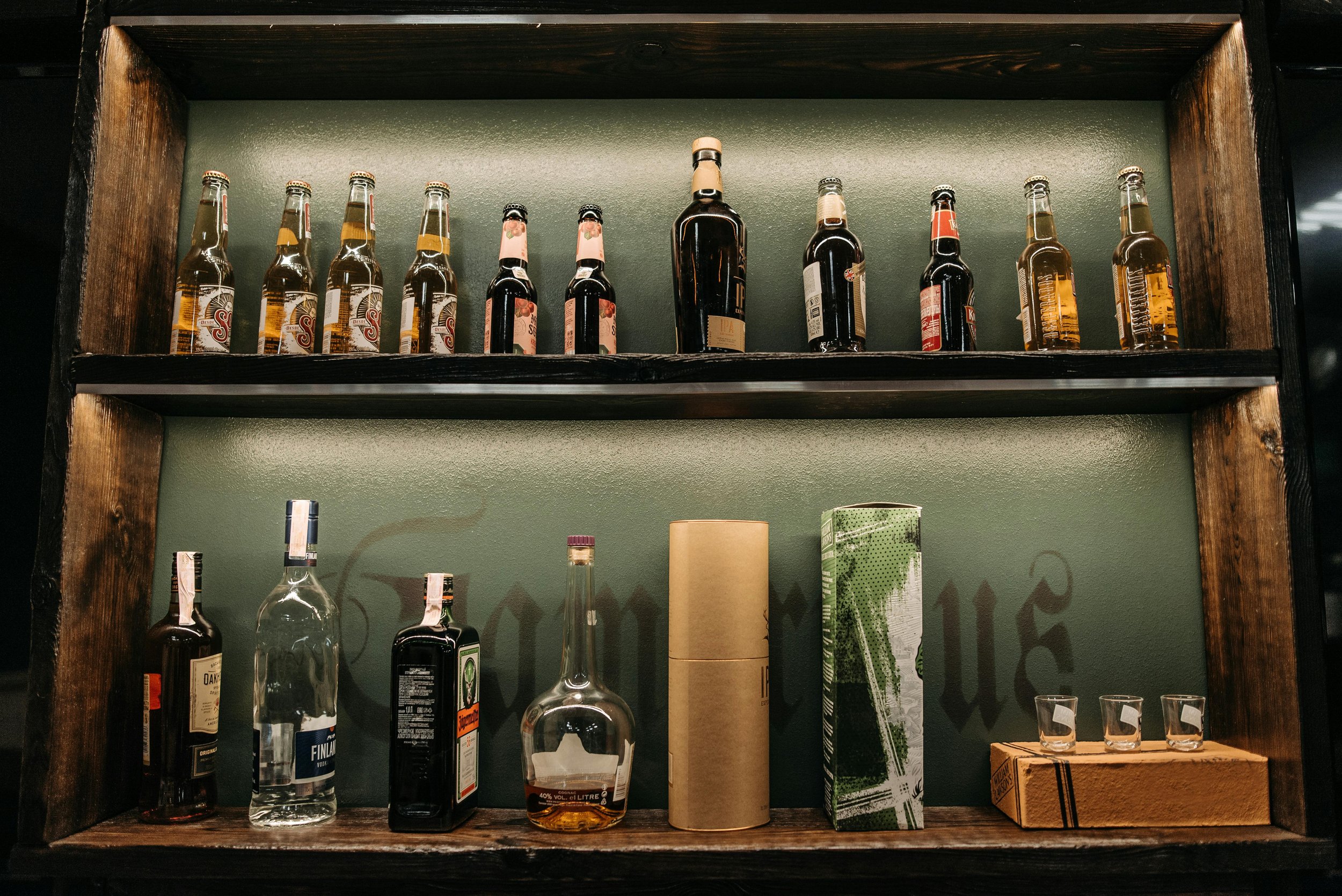
A quiet shift is reshaping cocktail culture right now. Drink menus once centered on novelty and theatrics now tell stories about soil, water, farmers, and craft choices that reduce waste. Sustainability is no longer a niche idea for small distilleries with a compost bin behind the warehouse. It has started to influence the entire beverage chain, from field to fermentation to the moment a guest lifts a glass at the bar.
A greener approach to spirits feels right for a culture that has fallen in love with slow food, farmers markets, and traceable goods. Many drinkers want to know what sits behind the bottle, how crops are grown, who benefits, and how that enjoyment touches the planet. The momentum feels organic, fueled by both curiosity and accountability.
Climate pressure plays a role in the shift. Spirits rely on crops that need water, soil, and stable seasons. Grain, agave, grapes, sugarcane, and botanicals all show the effects of changing weather. A study from the International Alliance for Responsible Drinking states that agriculture drives up to 80 percent of the total footprint of major spirits. That makes farming practice a central question for anyone who drinks with care.
The Rise of Eco Conscious Spirits
A generation of independent distilleries started talking openly about sourcing long before major brands cared. Farm distilleries gained traction with field-to-glass programs. Many keep crops close, limit water use, and partner with nearby growers so shipping stays low. Transparency gives guests a reason to try something new, and it gives buyers a compelling story for the bar menu.
Brands using lower-impact grains, recycled glass, or smart water systems are shaping a new playbook. Some agave makers fund replanting programs to help keep wild species alive. A few rum distilleries power stills with leftover cane fiber. Even whiskey producers are testing regenerative farming to rebuild soil while protecting flavor.
The balance between marketing and meaningful effort can spark controversy. Critics point out that the language around sustainable spirits moves faster than actual change. Packaging that highlights recycled glass can hide much larger impact from power use or crop transport. The topic needs nuance. Guests deserve a clear view, and brands that take action need space to explain the full picture.
Zero Waste as a Creative Tool
Bars now treat sustainability as a creative challenge, not a chore. Leftover fruit rinds become syrups. Spent herbs turn into salts. Citrus peels get saved for oleo. A single pineapple might show up across three drinks. The practice cuts cost and helps a bar stretch tight budgets without lowering quality.
A report from the Sustainable Restaurant Association states that bars waste up to 45 percent of citrus fruit used for juice. That number turned heads, and it inspired many bartenders to rethink garnish habits and shift toward ingredient systems that use every part. A skilled bar team can turn scraps into signature touches and encourage a fresh attitude toward resource use.
Guest response stays positive. Drinkers like story-driven cocktails built around smart use of ingredients. Many enjoy tasting something creative that also reduces impact. Bars that talk about the process build trust. A small sign on the menu showing how the bar repurposes fruit or herbs can help guests feel involved.
Still, zero waste is not a perfect fix. The time cost for prepping complex syrups or preserves can strain small teams. Labor shortages make the work harder. The line between passion and burnout stays thin. Owners need to protect their teams by setting realistic systems, rather than chasing perfection.
How Guests Shape the Movement
Guest demand drives the shift. Young consumers search for brands aligned with their values. A 2024 NielsenIQ report shows that 78 percent of drinkers between ages 21 and 35 feel more excited about spirits made with responsible sourcing. That group also shapes social trends and often sets the tone for nightlife.
Taste plays a role too. Drinks made with fresh herbs, seasonal fruit, and preserved flavors often stand out. A well balanced spritz built with local ingredients carries a flavor that large bottles cannot fake. Taste and values line up, and guests get to support a system that feels honest.
Bars gain value from sharing these choices. Clear communication shapes brand loyalty and builds trust. A guest who feels connected to a bar’s ingredient story often returns. That loyalty matters during slow seasons.
What the Shift Means for Businesses
The movement brings opportunity for operators. Sustainability can open new revenue channels through creative partnerships with farms, distilleries, or local makers. Seasonal menus keep offerings fresh and give teams freedom to experiment. Bars that take small steps can build big results over time.
Education sits at the center. Staff who understand sourcing, waste reduction, and ingredient use can guide conversations with confidence. Guests appreciate insight, and staff gain ownership in the work. A bar that invests in education often finds deeper team engagement.
The movement can also spark tension over cost. Ethical sourcing sometimes raises price, and bars need to explain value. Transparency helps. Clear storytelling shows that each dollar supports more than a single drink. Most guests respond well when they feel included.
Hospitality has a way of shaping culture. Drinks function as social glue. A bar that treats sustainability as a joyful shared experience can influence taste at scale. A distillery making brave moves can inspire others to try the same. It takes time, trust, and creative risk to shift an industry.
Why It Matters Right Now
Fall and winter bring holiday menus, themed drinks, and heavy foot traffic. Seasonal ingredients and festive cocktails create perfect space to test smart systems. A small recycling bin for citrus trimmings might turn into a house oleo syrup. A spiced drink might reach deeper with preserved fruit from summer.
The season also brings a chance to talk about origin. Guests pay attention during gifting season and often look for meaningful bottles. A bar can showcase local makers or small batch spirits that stand for something larger than a label.
HoCo and the Future of Sustainable Hospitality
HoCo supports operators building programs rooted in creativity, education, and community. The shift toward greener drinking aligns with our values and our work across private events, partnerships, and brand strategy. Our team helps bars shape seasonal menus, build local sourcing plans, and design guest experiences centered on care.
Events created through HoCo lift emerging brands and help consumers explore new ideas through taste, culture, and story. Sustainability feels less like a trend and more like a long conversation. We are excited to help shape that conversation with partners who believe in a brighter future for bars, spirits, and community.
To learn how HoCo can support your business through smart creative strategy, brand partnerships, or program design, reach out to our team. Hospitality thrives when care, vision, and creativity meet.