Hospitality After the Holidays: Why January Is the Most Honest Month in the Industry
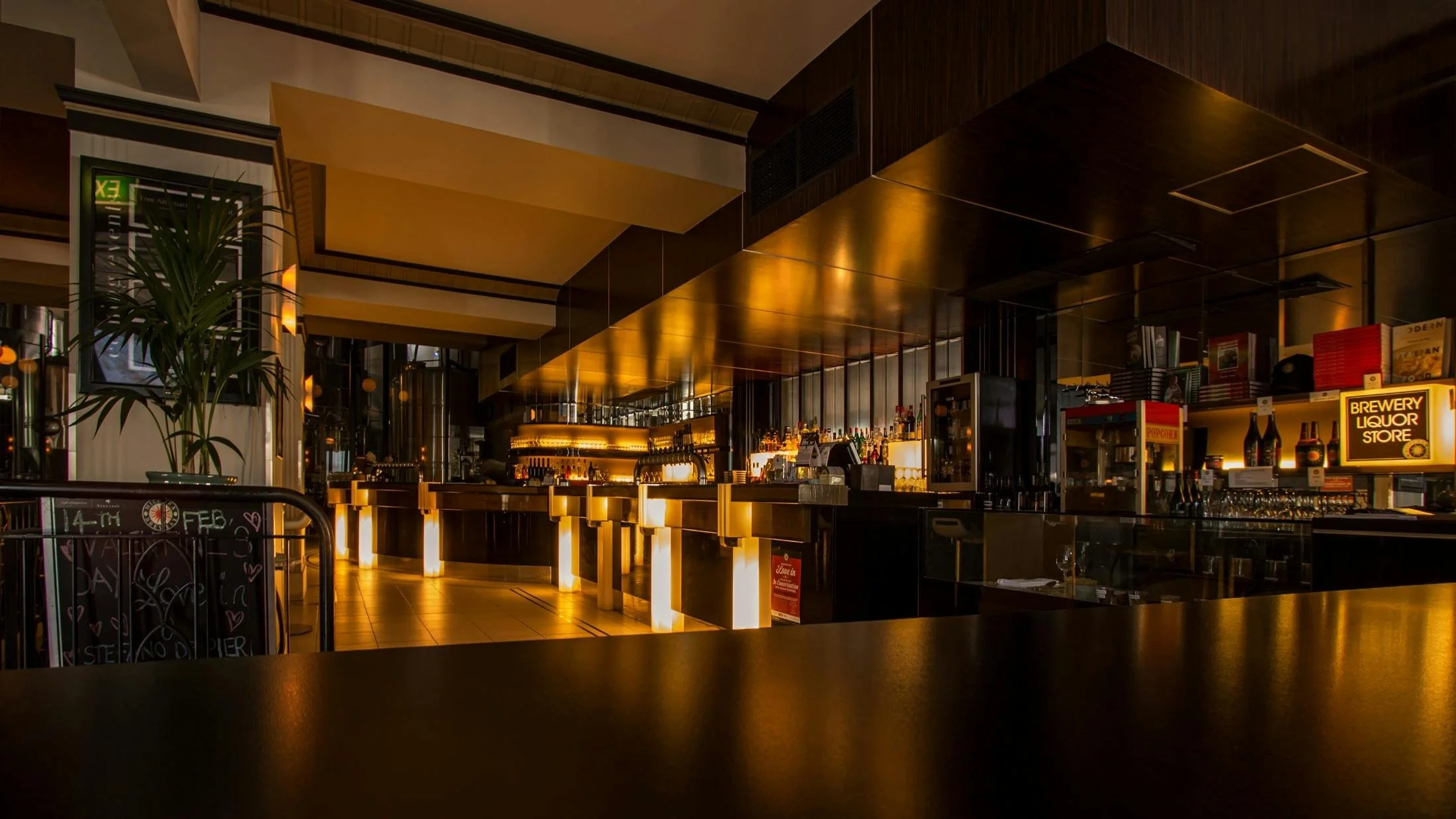
January arrives quietly. Dining rooms feel larger. Reservation books thin out. Delivery orders slow. The noise of the holidays fades, and what remains is the truth of how a hospitality business actually functions.
This month strips away momentum. December sales, holiday parties, and seasonal urgency disappear almost overnight. For guests, January often feels like a reset button. For restaurants, bars, and hotels, January acts more like a mirror. It reflects staffing decisions, cash flow discipline, marketing systems, and operational gaps with little room for distraction.
That honesty is uncomfortable, but it is also useful.
Holiday sales provide a temporary lift for much of the hospitality industry. According to the National Restaurant Association, November and December typically deliver some of the highest sales volumes of the year for full-service restaurants. January historically follows with one of the steepest month-over-month declines in traffic, often ranging between 10 to 20 percent depending on region and concept. Consumer spending data from the U.S. Census Bureau shows similar patterns, with food services and drinking places experiencing a noticeable dip after the holiday season.
Slower dining rooms reveal something important. Systems either carry a business forward, or they do not.
The cash flow reality no one likes to talk about
January forces operators to confront numbers without the cushion of peak season revenue. Rent stays the same. Utilities remain high. Vendor invoices arrive on schedule. Payroll still needs to clear.
Many hospitality businesses operate on thin margins year-round. The National Restaurant Association estimates average restaurant profit margins hover between 3 and 5 percent. During high-volume months, that margin feels manageable. During January, every inefficiency becomes visible.
Guests feel this too, often without realizing it. Shorter hours, trimmed menus, and fewer staff on the floor are common January adjustments. Some consumers interpret these shifts as decline, when in reality they signal survival mode.
From a business perspective, January highlights the difference between reactive cash management and intentional planning. Operators with clear financial visibility, vendor agreements, and realistic sales forecasting tend to navigate this period with less disruption. Those relying on holiday carryover alone often face difficult decisions quickly.

Staffing resets bring hard conversations
Staffing challenges do not disappear after the holidays. They change shape.
Seasonal hires move on. Burnout shows up in attendance issues and morale dips. Some employees reassess schedules, wages, or career paths once the holiday rush ends. January becomes a month of recalibration for teams.
Labor remains one of the industry’s biggest pressure points. Labor Statistics shows food service turnover rates consistently exceed 70 percent annually. Post-holiday months often see another spike as workers seek stability or exit high-stress environments.
For guests, this can look like slower service or unfamiliar faces. For operators, January exposes gaps in training, culture, and communication. Teams that feel supported tend to stabilize faster. Teams held together by adrenaline alone often fracture.
This is where leadership matters. Honest conversations about expectations, scheduling, and growth opportunities set the tone for the rest of the year. So does clear communication with guests. Transparency builds trust when things feel quieter.
Marketing after momentum fades
Holiday marketing often runs itself. Seasonal menus, gift cards, office parties, and tradition-driven dining create natural demand. January does not offer the same lift.
Consumer behavior shifts sharply. Credit card data from major issuers consistently shows reduced discretionary spending in January as households recover from holiday expenses. Dining out becomes more intentional, less impulsive.
This exposes a common weakness across hospitality brands. Many rely on momentum instead of structure. When the rush ends, content slows. Social feeds go quiet. Email lists go untouched. Visibility drops at the exact moment guests are deciding where to spend limited dollars.
January rewards brands that planned ahead. Restaurants and bars with consistent content, clear positioning, and intentional storytelling maintain mindshare even when guests dine out less often. Those without systems often disappear from view until spring.
This gap matters more than ever. Short-form video, local discovery, and social proof shape guest decisions year-round. When content pauses, relevance follows.
Guests notice more than operators think
Consumers may not track revenue charts or staffing ratios, but they feel the effects of January adjustments. They notice when service feels rushed, menus shrink without explanation, or social channels go silent.
At the same time, guests are more forgiving during this season. Many understand the post-holiday slowdown. They value authenticity over spectacle. Comfort, consistency, and genuine hospitality matter more than trend-driven experiences.
This creates opportunity. January is a moment to reconnect with core guests, test quieter service models, and gather feedback without peak-season pressure. Businesses that listen during this period often build stronger loyalty heading into spring.
Why January shows what actually works
January removes noise. It exposes the difference between luck and structure.
Strong systems show up clearly. Clear financial tracking. Stable teams. Consistent marketing. Thoughtful guest communication. These businesses may feel slower, but they do not feel lost.
Weak systems struggle quietly. Cash flow surprises. Staffing confusion. Marketing gaps. Guest inconsistency. These challenges often existed before January. The holidays simply masked them.
This is why January holds so much strategic value. It offers a low-distraction environment to fix problems before volume returns. Adjustments made now compound across the year.
Where HoCo fits into the January reality
Hospitality Coalition works with operators during moments like this, not just during high season. January is where strategy matters most.
HoCo’s new service offerings are designed to support hospitality brands through slower periods with structure instead of stress. From marketing systems and short-form content creation to brand positioning and partnership strategy, the focus stays on building visibility that lasts beyond seasonal spikes.
Many operators struggle with showing up online during January because teams are tired and resources feel tight. HoCo steps in as an extension of the brand, helping restaurants, bars, and hotels maintain consistency, tell their story, and stay top of mind while internal teams reset.
January is also when planning sets the tone for the year. HoCo helps hospitality businesses align marketing, content, and community engagement with realistic operational goals. The result is less scrambling when traffic returns and more control over growth.
The quiet months do not have to feel like failure. They can function as foundation.
January tells the truth. Businesses that listen to it tend to perform better long after the dining rooms fill again.