Are tasting menus becoming outdated?
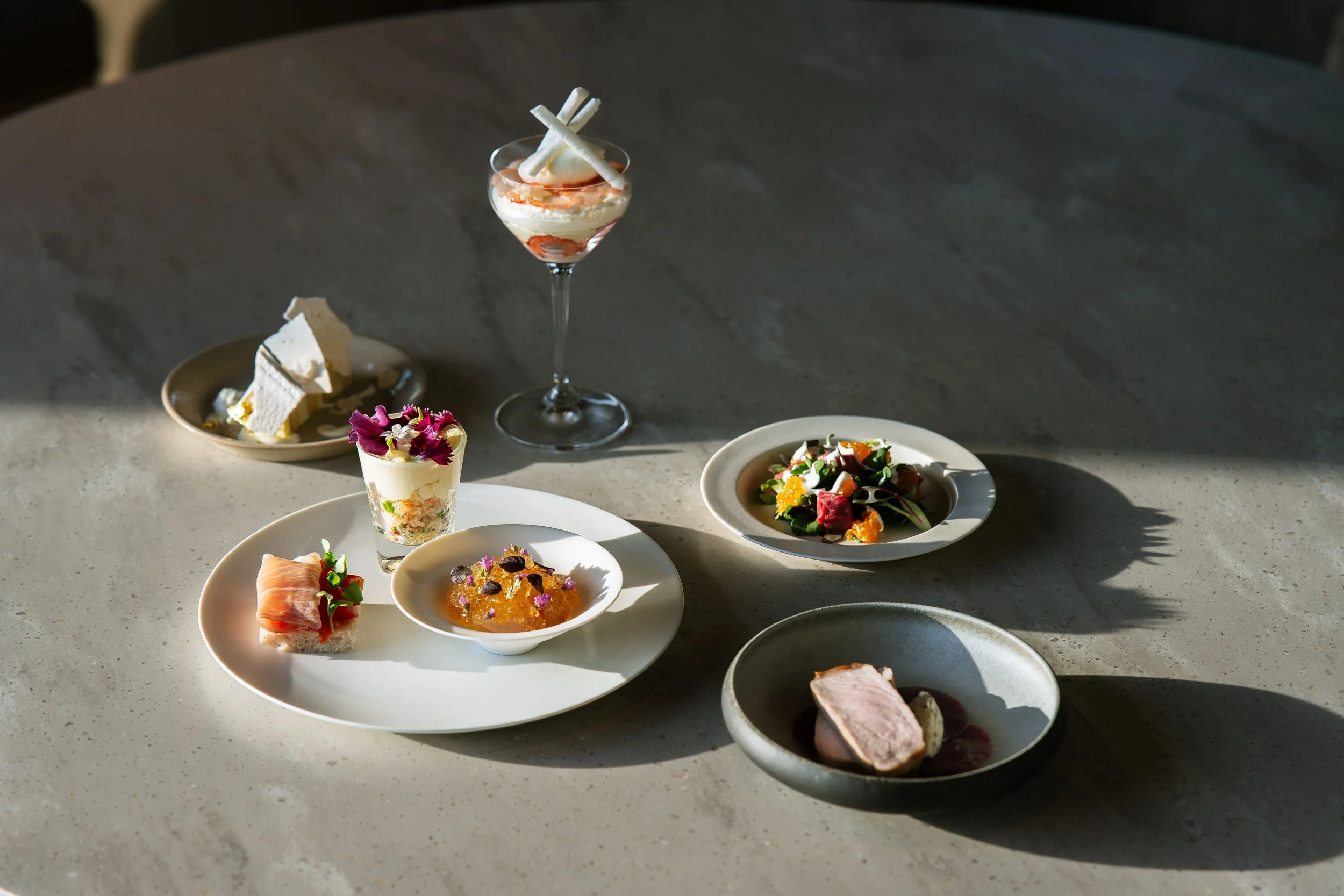
The format is not the problem. The way most operators are executing it is. Guests still want depth, intention, and a sequence that builds toward something. They are increasingly unwilling to trade autonomy and flexibility for a format that mistakes rigidity for refinement.
The data makes the tasting menu debate more nuanced than most industry commentary acknowledges. OpenTable data shows a 27% year-over-year increase in experiential dining reservations, with tasting menus ranking as the single most sought-after dining experience in 2025, ahead of dinner-and-show combinations and bottomless brunch. 42% of consumers say they plan to seek out experiential dining more frequently. The appetite for curated, chef-driven experiences is not declining. What is shifting is what guests expect that experience to look and feel like.
The traditional tasting menu operated on a specific contract: the chef controlled everything, the guest surrendered to it, and the price was the commitment that signaled trust in the exchange. That contract worked well for a specific kind of guest in a specific cultural moment, one where chef authority was unquestioned, where a long, uninterrupted evening was a luxury rather than a trade-off, and where prestige came from submission to the format rather than participation in it. Customizable tasting menus are now becoming a staple of high-end dining, a direct response to a guest who wants the depth and curation of the format without feeling locked out of their own experience. That shift is not a rejection of the tasting menu. It is a renegotiation of the terms.
The economic context sharpens the argument. Lingering economic uncertainty and price fatigue have produced a more discerning guest who evaluates every dining decision against a higher value threshold than they applied three years ago. A fixed tasting menu at $275 per person, requiring a multi-week advance booking, a full evening commitment, and no flexibility on course count or dietary accommodation, is asking a great deal from a guest who has become measurably more selective about where that kind of commitment goes. The operators who are growing their tasting menu revenue in this environment are the ones who have made the format feel like an invitation rather than an obligation, and that distinction is entirely within the operator's control to build or abandon.
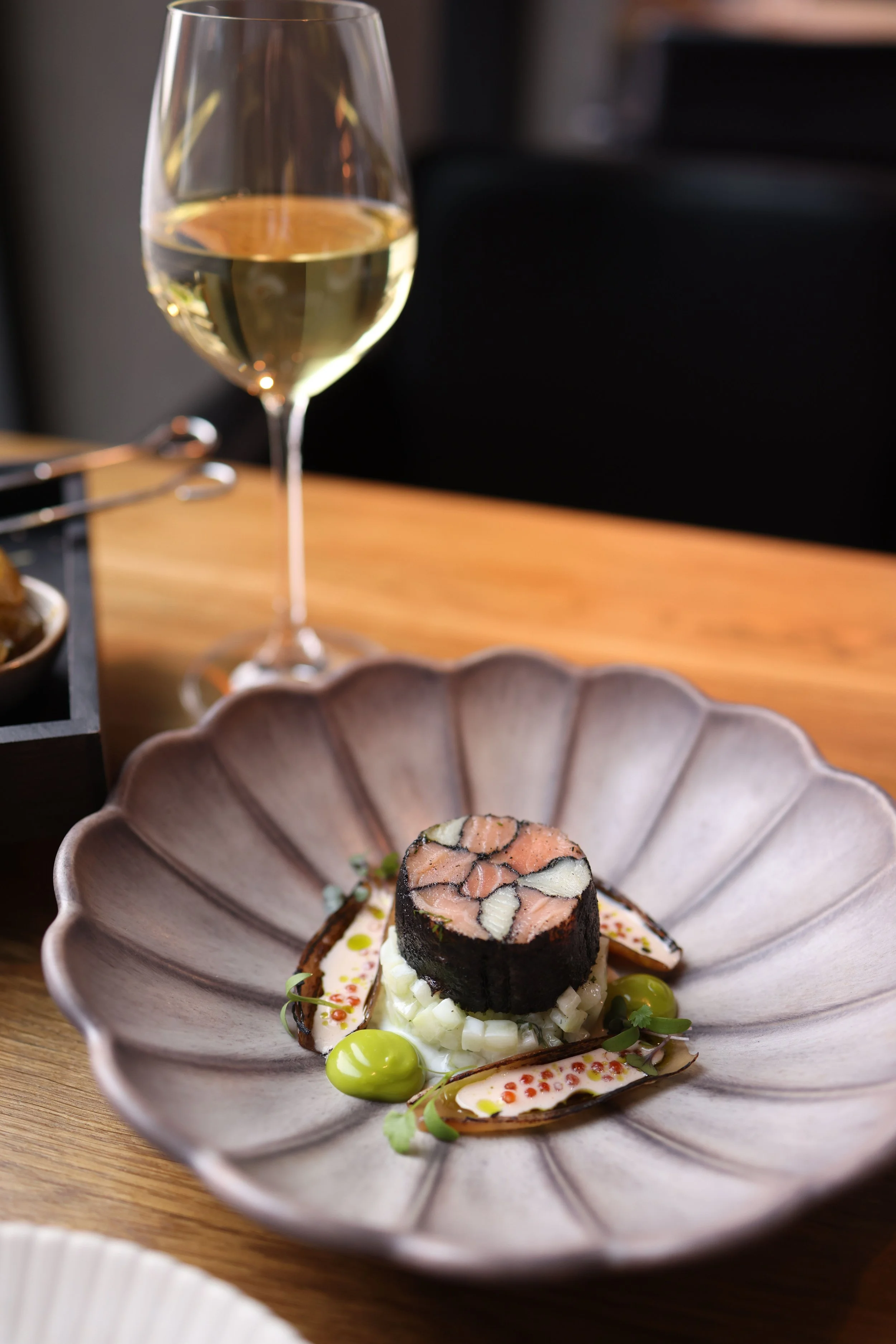
What this means for operators
The format has not expired. The execution standard for it has risen.
The tasting menu operators outperforming right now share a specific characteristic: they have rebuilt the experience around what made the format compelling in the first place, culinary depth, intentional sequencing, and the sense that something was designed specifically for the people in the room, while releasing their grip on the elements that serve the kitchen's convenience rather than the guest's experience. Course counts, rigid timing, and the absence of any guest input are not inherent to what makes a tasting menu excellent. They are conventions that accumulated around the format over time and are now being interrogated by guests who have more information, more comparison points, and less patience for structure that exists for its own sake.
Hyper-personalization is now a defining expectation in experiential dining, with guests increasingly expecting operators to know their preferences, accommodate their dietary needs without friction, and design moments that feel specific to them rather than generic to the format. The tasting menu that runs an identical sequence for every table on every night, regardless of who is sitting at it, is delivering a product that increasingly reads as a kitchen showcase rather than a hospitality experience. The ones building in genuine personalization, through pre-visit communication, course flexibility, and service that responds to the table rather than to a script, are producing the reviews and return rates that justify the price point.
The operators redesigning the format are also making more deliberate decisions about what the experience is actually selling. The experiential dining market is projected to reach $47.6 billion by 2033 at a 23.5% CAGR, driven by guests who want something memorable and worth talking about. The tasting menu is one of the strongest vehicles for that kind of experience when it is executed with genuine intentionality. It is one of the most expensive ways to deliver disappointment when it is not. The gap between those two outcomes is almost entirely determined by how much the operator has invested in understanding what the specific guests at their specific tables actually came for.
What operators should do
Introduce structural flexibility without abandoning culinary intention
Offering guests a choice between a shorter and longer sequence, or the ability to opt out of a course category, does not diminish the chef's vision. It demonstrates confidence in it. The kitchen that can execute a six-course version and an eleven-course version of the same culinary philosophy is not compromising. It is meeting the guest at their actual commitment level rather than requiring them to match a fixed format or not come at all.
A restaurant that offers a five-course and eight-course version of the same tasting menu, with the shorter format priced accessibly for a weeknight visit and the longer one positioned as the full expression of the kitchen's seasonal work, captures both the guest who wants depth on a Tuesday and the one planning a special occasion. Both leave having experienced the kitchen's point of view. Neither was turned away by a format that did not fit their evening.
Build pre-visit communication into the experience as a hospitality act, not an administrative one
Reaching out before a reservation to gather dietary preferences, occasion details, and flavor inclinations is not logistics. It is the first moment of the experience. The guest who receives a thoughtful pre-visit message feels anticipated rather than processed. And the information gathered in that exchange allows the kitchen and service team to personalize in ways that are visible and specific enough to be remembered.
Sending a short message 48 hours before a tasting menu reservation asking about dietary preferences, the nature of the occasion, and whether there are any ingredients the guest particularly loves or avoids produces a dinner that reflects the answers. The guest who receives a course that references something they mentioned in that exchange has experienced something no fixed sequence could have delivered, and that moment is almost always the detail they describe when they tell someone about the meal.
Train the service team to narrate, not recite
The tasting menu course description delivered by rote, listing ingredients in the order they appear on the plate, is one of the least engaging moments in the format. The same information delivered conversationally, with a specific detail about where an ingredient came from or why a technique was chosen, transforms a menu recitation into a moment of genuine connection. The difference is entirely in the training and the permission the team is given to speak as themselves rather than as the menu.
A server who says "the chef sources this specific variety of beet from a farm about forty miles north of here because the mineral content of the soil produces a sweetness you cannot replicate with anything grown further away" is telling a story. One who says "this is a roasted beet with goat cheese and walnut" is reading a label. Both describe the same dish. Only one makes it worth what it costs.
Design at least one moment of genuine surprise into every sequence
The predictability of the traditional tasting menu format, a progression from lighter to richer, amuse-bouche to petit four, is both its strength and its limitation. Guests who have experienced the format many times know the rhythm before they sit down. One unexpected moment, a course that arrives out of sequence, a palate cleanser that doubles as the meal's most technically complex preparation, or an ingredient that recontextualizes something from earlier in the menu, shifts the guest from observer to participant. That shift is what produces the sense that the experience was designed rather than assembled.
Presenting an early course that uses the same primary ingredient as the final savory course, in a completely different form and flavor context, creates a narrative arc that rewards attention and makes the meal feel like a single composed idea rather than a sequence of separate dishes. Guests who notice the connection, and many will, feel included in the chef's thinking. That sense of being let in on something is precisely what justifies the tasting menu format over a conventional à la carte dinner.
Evaluate your tasting menu against your actual review language, not your intended experience
The gap between what a tasting menu is designed to deliver and what guests report experiencing in their reviews is one of the most useful data sets an operator can analyze. Reviews of tasting menus that underperform on value perception almost always contain specific language about pacing, course repetition, service that felt scripted, or a moment where the price became visible in a way that felt unjustified. That language is operational feedback that points directly to what needs to change.
Example: Reading 50 recent reviews with the specific question of what language guests use when describing the experience as not worth the price will surface two or three consistent themes that the operator may not be seeing from inside the kitchen. Those themes are the brief for the next revision of the format, and they are far more useful than a general sense that the menu needs updating.
What this means for consumers
The tasting menu is one of the most rewarding formats in dining. It is also one of the easiest to overpay for.
The guest who has had a genuinely great tasting menu experience and the one who has had a mediocre one at the same price point often describe very different things as the source of the difference. The great ones almost always involve a moment of surprise, a service interaction that felt human rather than rehearsed, or a course that communicated something about where the food came from and why it mattered. The mediocre ones tend to involve rigid pacing that did not respond to the table, descriptions delivered without genuine knowledge, and a sense that the sequence was designed for the kitchen's workflow rather than the guest's evening.
Tasting menus remain the most sought-after dining experience in 2025, which means the best versions of the format are being discovered and returned to by guests who know what they are looking for. Learning to identify those versions before committing to the price and the time is a skill worth developing, and the signals are usually visible before the reservation is confirmed.
The shift toward more flexible, customizable formats is giving guests more agency than the traditional tasting menu ever did. Customization has become a standard expectation in dining, and the operators who have built flexibility into their tasting menu formats are offering something genuinely better than rigid predecessors at the same price point. Knowing to look for that flexibility, and rewarding it when it is found, accelerates the shift toward a format that serves guests rather than constrains them.
What consumers can do
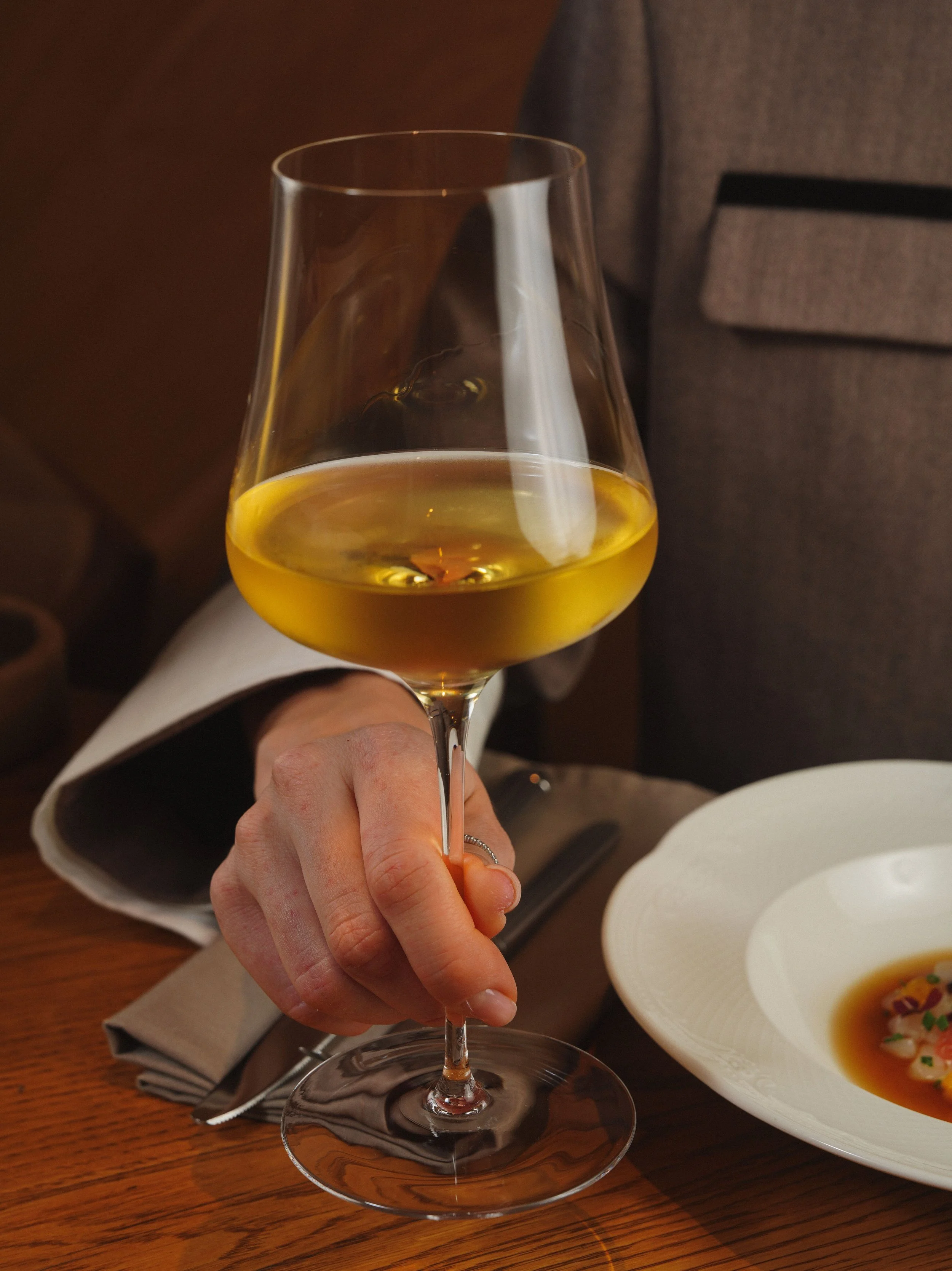
Research the chef's current sourcing and seasonal focus before booking, not after
The tasting menu that changes with the season, responds to what is available from specific producers, and reflects a point of view about the current moment in the kitchen is a fundamentally different product from one that runs the same sequence for months because the kitchen has built its mise en place around it. The difference is usually visible in how the restaurant communicates about its current menu before the reservation is made.
A restaurant whose social media describes what arrived from a specific farm this week, or whose website notes that the menu changes entirely when the season turns, is signaling that the tasting menu experience will be specific to the date of the visit. That specificity is worth more than a static menu photographed beautifully six months ago and served indefinitely. Booking the first and avoiding the second is a meaningful quality filter that costs nothing to apply.
Ask about flexibility before booking, not at the table
The question of whether a tasting menu can accommodate a dietary preference, a shorter sequence, or a specific ingredient aversion is best asked at the reservation stage, not on arrival. The kitchen that can answer those questions specifically and without friction is one that has designed the format to accommodate real guests rather than ideal ones. The one that responds with rigid substitution rules or visible inconvenience is telling you something about how the experience will feel when you are actually sitting in it.
Calling ahead to ask whether the menu can accommodate a shellfish allergy and receiving a detailed answer about which courses will be modified and what will replace them is a better signal about the quality of the experience than any review. It demonstrates that the kitchen thinks about the guest at their table rather than the guest as an abstract participant in a fixed sequence. That attentiveness almost always extends to the service on the night itself.
Engage with the service team rather than receiving the experience passively
The tasting menu format rewards active participation more than any other dining experience. Asking follow-up questions about a technique, expressing genuine enthusiasm about a course, or sharing a reaction gives the service team information they can use to calibrate the rest of the evening. The guest who engages gets a different experience from the one who receives each course in silence, and the difference is not incidental. It is what the format was designed to produce when both sides are in it together.
Telling the server that the third course was the most interesting thing eaten all year, or asking what specifically made the fermentation on a particular ingredient different from a conventional preparation, opens a conversation that elevates the rest of the meal. The kitchen hears that feedback. Courses that follow are often more carefully explained. The evening becomes a dialogue rather than a presentation, and that shift is entirely within the guest's ability to initiate.
Write reviews that name what made the format work or fail specifically
The tasting menu review that says "incredible experience, worth every penny" and the one that says "overpriced and rigid" are both less useful than one that names a specific moment, a specific course, or a specific service interaction as the turning point. That specificity helps future guests calibrate their expectations and gives operators the targeted feedback that drives format improvement rather than the general sentiment that confirms or challenges what they already believe about their own work.
Describing that the fifth course arrived before the table was ready for it, disrupting the pacing of the meal in a way that made the remaining courses feel rushed, is more actionable than noting that the pacing was off. The operator can address a specific service protocol. They cannot address a general impression. The guest who takes the time to be specific is doing meaningful work for the category they clearly care about enough to spend $300 on.
The tasting menu is not becoming outdated. The version of it that prioritizes the kitchen's control over the guest's experience is. The operators who understand that distinction, and rebuild the format around genuine hospitality depth rather than culinary convention, are finding that the appetite for what they are offering is stronger than the category's performance data suggests. HoCo works with operators to build the guest experience systems, service training, and format design that close the gap between what a premium dining experience promises and what it actually delivers at the table.
The babes are back behind the bar. Join us for our 6th Annual Battle of the Babes Cocktail Competition on September 27, 2026, from 5PM to 9PM at Merchant + Trade. Watch talented female mixologists go head-to-head as they shake, stir, and pour their way through an unforgettable night of cocktails, competition, and plenty of personality. Come cheer on your favorite competitors, sip something good, and see who takes home the title.

Sources
1. OpenTable — Hospitality Trends Restaurants Should Know in 2025: 27% experiential dining increase; tasting menus as top sought-after experience
2. FSR Magazine — The State of Restaurants in 2025: Economic uncertainty and the discerning guest
3. Tripleseat — Flavor Forward: Top Menu Trends of 2025 — Customizable tasting menus as a staple of high-end dining
4. Eatery Experts — Experiential Dining Trends in 2025: Hyper-personalization as a defining expectation
5. MenuTiger — Experiential Dining: $47.6 billion market projection at 23.5% CAGR through 2033
6. Restaurants Resources — Emerging Restaurant Trends 2025: Customization as a standard dining expectation