Christmas Day Dining Is Changing. Here’s What That Means for Restaurants and Workers

Holiday meals look different for everyone.
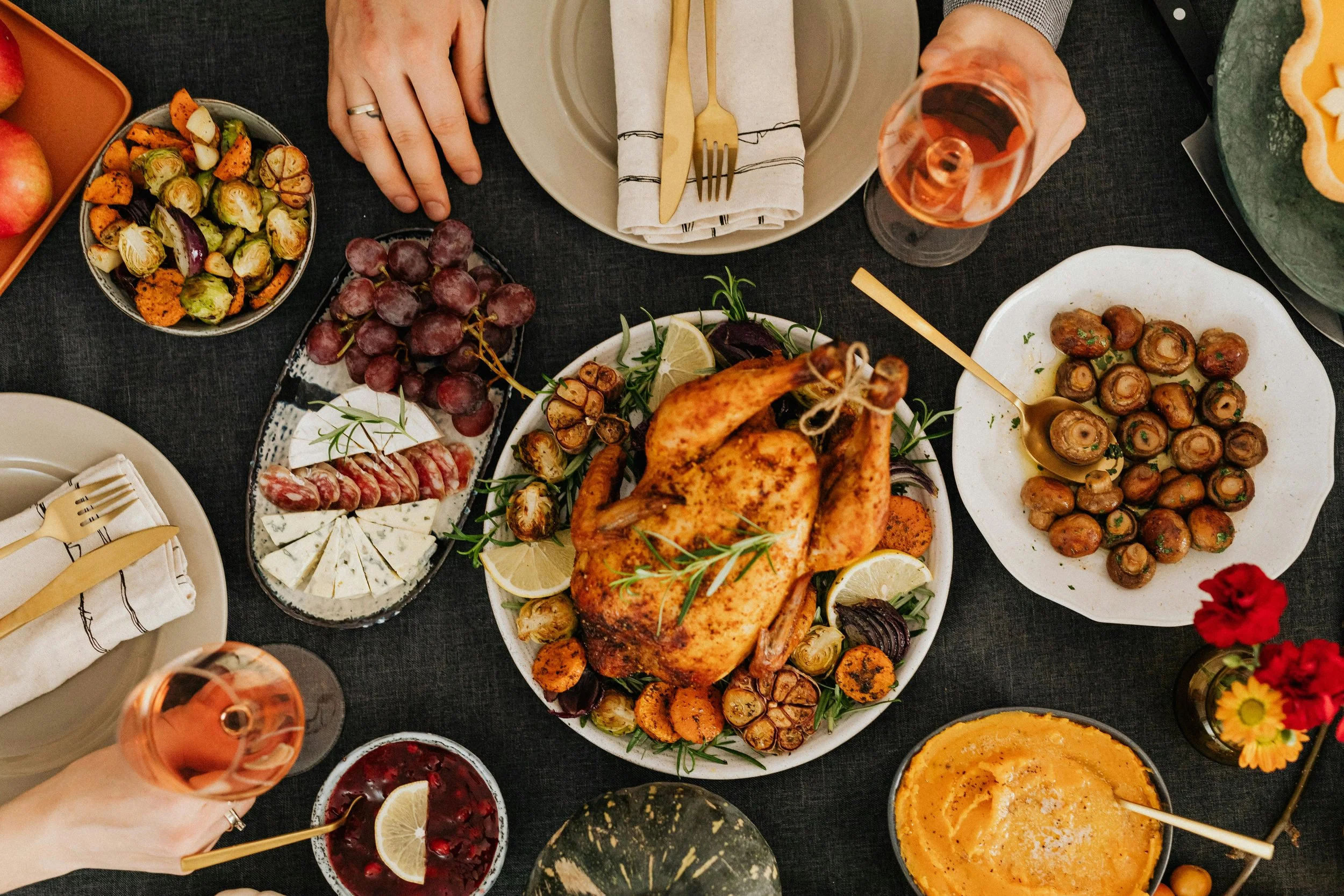
Some families gather around a dining table at home. Others work long shifts, travel between cities, or live far from relatives. For many people, Christmas Day dining has quietly become less about tradition and more about access.
That shift has pushed a growing number of restaurants, bars, and hotels to open their doors on December 25. The move has sparked conversation across the hospitality industry, praised by some as inclusive and criticized by others as unfair to staff. The truth sits somewhere in the middle, shaped by economics, culture, labor realities, and changing guest expectations.
Christmas Day dining did not start as a trend
Holiday service once belonged mostly to hotels, airport restaurants, and select ethnic cuisines. Jewish, Chinese, Korean, Middle Eastern, and South Asian restaurants have long stayed open on Christmas, serving communities that do not observe the holiday or celebrate it differently.
Recent years changed the scale. Data from OpenTable shows Christmas Day reservations increased more than 20 percent compared to pre pandemic levels, driven by travelers, shift workers, and younger diners without traditional plans. DoorDash and Uber Eats report December 25 consistently ranks among the top food delivery days of the year.
Demand did not appear overnight. It grew as households changed, cities became more diverse, and expectations around convenience expanded.
Why guests show up on Christmas Day
Many diners choose restaurants on December 25 for reasons that go beyond convenience.
Healthcare workers, hospitality staff, first responders, and retail employees often work holidays by necessity. Travelers get stranded or rerouted. New residents without family nearby seek a sense of normalcy. Some people simply prefer a meal prepared by someone else.
Consumer surveys from the National Restaurant Association show younger diners prioritize availability and flexibility over tradition. Nearly half of Gen Z and Millennial respondents say dining out during holidays feels practical rather than indulgent.
For these guests, open restaurants provide access, dignity, and a sense of welcome. That matters.
The staff side of the conversation
Employees experience Christmas Day service differently.
For some, working the holiday offers premium pay, guaranteed hours, or the ability to earn tips during a high demand shift. For others, it means missing family gatherings or feeling pressured to work when they would rather not.
Labor advocacy groups point out that holiday shifts often fall hardest on hourly workers with limited scheduling control. Hospitality unions and worker collectives have raised concerns around burnout, uneven holiday pay policies, and lack of transparency.
According to the Bureau of Labor Statistics, food service workers already experience one of the highest turnover rates in the U.S. Adding holiday labor without clear incentives or consent can deepen that problem.

The business reality behind Christmas Day openings
From an operator’s perspective, December 25 can be both opportunity and risk.
Restaurants that open successfully tend to plan weeks or months in advance. Limited menus, pre fixe pricing, reservations only policies, and shortened hours help control labor and food costs. Hotels and destination restaurants often bundle dining with events or lodging, creating stronger margins.
Independent restaurants without operational support face tougher decisions. Staffing becomes complicated. Marketing expectations rise. Guests expect a special experience, not business as usual.
A report from Toast shows holiday labor costs increase by up to 15 percent during late December due to overtime, incentives, and staffing shortages. Without proper forecasting and pricing strategy, Christmas Day service can lose money fast.
Where controversy enters the conversation
Critics argue that holiday openings normalize constant availability and blur boundaries between work and rest. Others worry that “inclusive” language masks financial pressure on staff who feel unable to decline shifts.
Supporters counter that closing on Christmas assumes everyone celebrates the same way, which does not reflect modern communities. They argue choice matters, both for guests and workers.
Both points hold weight. The challenge lies in execution.
What responsible Christmas Day service looks like
Restaurants handling holiday service well share common practices.
Staff opt in rather than being scheduled by default. Holiday pay or guaranteed minimum earnings are clearly communicated. Menus are simplified. Hours are reduced. Expectations are set early with guests.
Communication plays a critical role. Guests respond better when they understand what the restaurant is offering and why. Transparency builds goodwill on both sides of the bar.
The marketing gap many operators face
Planning holiday service requires more than staffing and menus. It demands clear messaging, timely promotion, and consistent content across platforms.
Many struggling restaurants lack the time or skill set to produce holiday specific marketing. Short form video, reservation pushes, and guest education often fall through the cracks during the busiest weeks of the year.
This gap hurts otherwise thoughtful operators who might offer fair pay and responsible schedules but fail to attract the right audience.
How HoCo supports holiday decision making
Hospitality Coalition works with restaurants, bars, and hotels navigating moments like this.
HoCo’s updated offers focus on operational clarity, content support, and seasonal strategy. That includes helping businesses decide if opening on Christmas Day makes sense, shaping menus and pricing for holiday service, and building marketing plans that reach the right guests without overwhelming staff.
Short form video support highlights holiday offerings authentically. Content calendars reduce last minute stress. Messaging frameworks help explain decisions clearly to both employees and diners.
The goal is balance, not pressure.
What consumers can do differently
Guests play a role too.
Choosing to dine out on Christmas carries responsibility. Respecting reservation times, tipping generously, and treating staff with kindness matter more on holidays. Supporting restaurants that communicate transparently reinforces better industry practices.
Dining out becomes inclusive only when empathy exists on both sides of the table.
Christmas Day dining will continue to grow. Demographics, travel patterns, and work schedules support that reality. The question is not if restaurants will open, but how they will do it.
Thoughtful planning protects staff. Clear marketing sets expectations. Strategic support keeps businesses sustainable.
Hospitality does not mean availability at all costs. It means intention.
Where HoCo fits into the future
Hospitality Coalition exists to help operators navigate these moments with confidence.
Through content strategy, short form video, marketing support, and operational insight, HoCo helps restaurants make informed decisions that serve guests without sacrificing teams. Holiday service becomes an option, not an obligation.
Because inclusive dining should feel good for everyone involved.